
About This Book
Did you know that elephants can recognize themselves in a mirror, showcasing a level of self-awareness previously thought to be unique to humans and a few other species? "Elephant Facts" delves into the captivating world of these intelligent and behaviorally complex creatures, exploring their cognitive prowess, intricate social structures, and indispensable role within their ecosystems. This book unveils the multifaceted lives of elephants, moving beyond simplistic portrayals to reveal the depth of their memory, the richness of their emotional lives, and the critical importance of their conservation. This book primarily examines three central themes: elephant cognition, focusing on their problem-solving abilities and long-term memory; their complex social dynamics, including family structures and communication methods; and their ecological impact as keystone species, shaping landscapes and influencing biodiversity. These topics are of paramount importance because understanding these aspects is vital for effective conservation strategies and for promoting a more profound appreciation of these magnificent animals. The book provides historical context by examining how human perceptions of elephants have evolved over centuries, from objects of exploitation to subjects of scientific study and conservation efforts. It also addresses the growing threats to elephant populations, such as habitat loss, poaching for ivory, and human-wildlife conflict. Readers will benefit from a basic understanding of ecological principles and animal behavior, though the text is crafted to be accessible to a broad audience with varying levels of scientific knowledge. "Elephant Facts" argues that a comprehensive understanding of elephant intelligence, social complexity, and ecological impact is essential for their long-term survival. The book underscores the significant roles elephants play in maintaining the health of their environments and suggests that their conservation is intrinsically linked to the well-being of entire ecosystems. The initial chapters introduce foundational concepts related to elephant biology, behavior, and ecology. The book then explores the nuances of elephant families and social bonds, detailing their communication methods utilizing infrasound and seismic signals, and illustrating the power of their long-term memory. Subsequent chapters delve into their ecological role, emphasizing their impact on seed dispersal, vegetation patterns, and water availability for other species. The book culminates by discussing the most pressing conservation challenges and outlining potential solutions, from anti-poaching measures to community-based conservation initiatives, and concludes with thoughts on the ethical considerations surrounding human-elephant co-existence. The arguments presented are supported by a wealth of scientific evidence, drawing from decades of research on elephant behavior, ecology, and genetics. The book references peer-reviewed studies, field observations, and data collected from various elephant populations across Africa and Asia. It also incorporates insights from leading elephant researchers and conservationists. "Elephant Facts" integrates knowledge from diverse fields, including biology, ecology, anthropology, and conservation science. By examining the cultural significance of elephants in different societies, the book also connects to the humanities. The intersection of genetics and behavior helps to explain certain traits, while conservation strategies are viewed through an economic lens. This work distinguishes itself by presenting a holistic viewpoint. It combines scientific rigor with an ethical consideration for elephant welfare. The book avoids anthropocentric, or human-centered, views, striving to portray elephants on their own terms, as complex and sentient beings deserving of respect and protection. The tone is informative and engaging, designed to captivate readers while remaining scientifically accurate. Complex concepts are explained clearly, avoiding jargon without sacrificing precision. The book is intended for a diverse audience, from students and educators to wildlife enthusiasts and conservation advocates. Anyone seeking a deeper understanding of elephants and the challenges they face will find this book valuable. As a non-fiction work in the nature and science genres, "Elephant Facts" adheres to high standards of accuracy and objectivity, presenting information in a clear and unbiased manner. It emphasizes evidence-based findings and avoids sensationalism, aligning with the expectations of readers interested in science-based educational content. While the book covers a broad range of topics related to elephants, it focuses primarily on African and Asian elephants, acknowledging that other related species might exist but are outside of the scope of this volume. It also concentrates on current research and conservation challenges, without delving exhaustively into the complete history of elephant evolution. The information contained within "Elephant Facts" can be applied in numerous practical ways. Conservation organizations can utilize the research presented to inform their strategies. Educators can use the book as a resource for teaching about animal behavior, ecology, and conservation. Readers can become more informed advocates for elephant conservation by taking action and supporting initiatives. The book addresses, where relevant, controversies surrounding topics such as the ivory trade, culling practices, and the impact of tourism on elephant populations, presenting diverse perspectives and encouraging critical thinking.
Did you know that elephants can recognize themselves in a mirror, showcasing a level of self-awareness previously thought to be unique to humans and a few other species? "Elephant Facts" delves into the captivating world of these intelligent and behaviorally complex creatures, exploring their cognitive prowess, intricate social structures, and indispensable role within their ecosystems. This book unveils the multifaceted lives of elephants, moving beyond simplistic portrayals to reveal the depth of their memory, the richness of their emotional lives, and the critical importance of their conservation. This book primarily examines three central themes: elephant cognition, focusing on their problem-solving abilities and long-term memory; their complex social dynamics, including family structures and communication methods; and their ecological impact as keystone species, shaping landscapes and influencing biodiversity. These topics are of paramount importance because understanding these aspects is vital for effective conservation strategies and for promoting a more profound appreciation of these magnificent animals. The book provides historical context by examining how human perceptions of elephants have evolved over centuries, from objects of exploitation to subjects of scientific study and conservation efforts. It also addresses the growing threats to elephant populations, such as habitat loss, poaching for ivory, and human-wildlife conflict. Readers will benefit from a basic understanding of ecological principles and animal behavior, though the text is crafted to be accessible to a broad audience with varying levels of scientific knowledge. "Elephant Facts" argues that a comprehensive understanding of elephant intelligence, social complexity, and ecological impact is essential for their long-term survival. The book underscores the significant roles elephants play in maintaining the health of their environments and suggests that their conservation is intrinsically linked to the well-being of entire ecosystems. The initial chapters introduce foundational concepts related to elephant biology, behavior, and ecology. The book then explores the nuances of elephant families and social bonds, detailing their communication methods utilizing infrasound and seismic signals, and illustrating the power of their long-term memory. Subsequent chapters delve into their ecological role, emphasizing their impact on seed dispersal, vegetation patterns, and water availability for other species. The book culminates by discussing the most pressing conservation challenges and outlining potential solutions, from anti-poaching measures to community-based conservation initiatives, and concludes with thoughts on the ethical considerations surrounding human-elephant co-existence. The arguments presented are supported by a wealth of scientific evidence, drawing from decades of research on elephant behavior, ecology, and genetics. The book references peer-reviewed studies, field observations, and data collected from various elephant populations across Africa and Asia. It also incorporates insights from leading elephant researchers and conservationists. "Elephant Facts" integrates knowledge from diverse fields, including biology, ecology, anthropology, and conservation science. By examining the cultural significance of elephants in different societies, the book also connects to the humanities. The intersection of genetics and behavior helps to explain certain traits, while conservation strategies are viewed through an economic lens. This work distinguishes itself by presenting a holistic viewpoint. It combines scientific rigor with an ethical consideration for elephant welfare. The book avoids anthropocentric, or human-centered, views, striving to portray elephants on their own terms, as complex and sentient beings deserving of respect and protection. The tone is informative and engaging, designed to captivate readers while remaining scientifically accurate. Complex concepts are explained clearly, avoiding jargon without sacrificing precision. The book is intended for a diverse audience, from students and educators to wildlife enthusiasts and conservation advocates. Anyone seeking a deeper understanding of elephants and the challenges they face will find this book valuable. As a non-fiction work in the nature and science genres, "Elephant Facts" adheres to high standards of accuracy and objectivity, presenting information in a clear and unbiased manner. It emphasizes evidence-based findings and avoids sensationalism, aligning with the expectations of readers interested in science-based educational content. While the book covers a broad range of topics related to elephants, it focuses primarily on African and Asian elephants, acknowledging that other related species might exist but are outside of the scope of this volume. It also concentrates on current research and conservation challenges, without delving exhaustively into the complete history of elephant evolution. The information contained within "Elephant Facts" can be applied in numerous practical ways. Conservation organizations can utilize the research presented to inform their strategies. Educators can use the book as a resource for teaching about animal behavior, ecology, and conservation. Readers can become more informed advocates for elephant conservation by taking action and supporting initiatives. The book addresses, where relevant, controversies surrounding topics such as the ivory trade, culling practices, and the impact of tourism on elephant populations, presenting diverse perspectives and encouraging critical thinking.
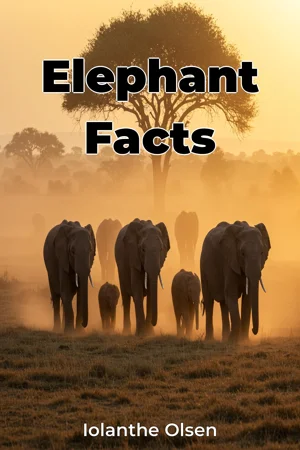
"Elephant Facts" explores the multifaceted lives of elephants, highlighting their intelligence, intricate social structures, and crucial ecological roles. Did you know elephants exhibit self-awareness by recognizing themselves in mirrors? The book examines elephant cognition, social dynamics, and their impact as keystone species. It traces the evolution of human perceptions of elephants and addresses threats like habitat loss and poaching. The book progresses from foundational concepts of elephant biology to their family bonds, communication through infrasound, and their ecological impact on seed dispersal and vegetation. Subsequent chapters delve into conservation challenges and solutions, offering insights into anti-poaching measures and community-based initiatives. It emphasizes the importance of understanding elephant intelligence and social complexity for their long-term survival and overall ecosystem health.
Book Details
ISBN
9788233969660
Publisher
Publifye AS
Your Licenses
You don't own any licenses for this book
Purchase a license below to unlock this book and download the EPUB.
Purchase License
Select a tier to unlock this book
Need bulk licensing?
Contact us for enterprise agreements.