
About This Book
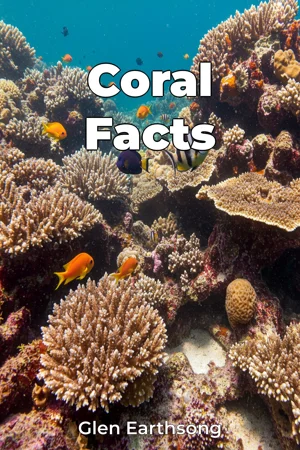
Imagine a city built not of brick and mortar, but of living stone, teeming with a biodiversity that rivals even the richest rainforests. This is the coral reef, a vibrant underwater ecosystem crucial to the health of our planet. "Coral Facts" delves into the intricate world of coral reefs, exploring their formation, ecological significance, and the escalating threats they face in the 21st century. This book addresses the urgent need for a comprehensive understanding of coral reefs. These underwater structures, built over millennia by tiny coral polyps, serve as vital habitats for a quarter of all marine life. They protect coastlines from erosion, support fisheries that feed millions, and hold potential for medical breakthroughs. However, coral reefs are in crisis, threatened by climate change, pollution, and destructive fishing practices. Understanding these threats and exploring potential solutions is critical for preserving these valuable ecosystems. "Coral Facts" provides a detailed exploration of coral biology, reef ecology, and the ongoing challenges to their survival. The book begins by explaining the fundamental biology of corals, detailing how these seemingly simple organisms create complex, three-dimensional structures. It will describe the symbiotic relationship between coral polyps and algae, called zooxanthellae, which forms the basis of reef productivity. It will explore how coral reefs develop over time, from initial colonization to the formation of expansive reef systems. The book then examines the ecological importance of coral reefs. It details the diverse array of marine species that depend on reefs for food, shelter, and breeding grounds. It will illustrate how reefs support complex food webs and contribute to overall ocean health. Furthermore, it will explore the role of coral reefs in coastal protection, mitigating wave energy and preventing erosion. Economic considerations for communities that depend on reefs will also be explored, from tourism to fisheries. The central argument of "Coral Facts" is that the decline of coral reefs represents not only an ecological tragedy but also a significant threat to human well-being. The book presents evidence from diverse scientific fields, including marine biology, oceanography, and climate science, to support this argument. It draws on data from long-term monitoring programs, experimental studies, and computer modeling to illustrate the impacts of climate change and other stressors on coral reefs. "Coral Facts" is structured to provide readers with a progressively deeper understanding of coral reefs. The early chapters introduce basic concepts and provide historical context on the study of coral reefs. Subsequent chapters delve into more complex topics, such as the impacts of ocean acidification and coral bleaching. The book utilizes data from the latest IPCC reports, peer-reviewed scientific journals, and on-site research from coral reef locations around the world. The interdisciplinary nature of the book will also be highlighted by including connections to fields such as economics, sociology, and political science, demonstrating the broad implications of coral reef degradation. The book’s unique approach is its focus on the interconnectedness of coral reef ecosystems and human societies. It explores the science, the economics, and the social implications of coral reef decline, offering a balanced and holistic perspective. The tone is informative and accessible, making complex scientific concepts understandable to a broad audience. "Coral Facts" is intended for students, researchers, policymakers, and anyone interested in learning more about coral reefs and their conservation. It provides readers with the knowledge and tools they need to understand the challenges facing coral reefs and to advocate for effective conservation strategies. Therefore, the book includes discussions of potential solutions, ranging from reducing carbon emissions to implementing sustainable fishing practices. It also addresses the controversies surrounding different conservation approaches, such as coral restoration and assisted evolution. The book's scope is global, covering coral reefs from the Caribbean to the Indo-Pacific. While a comprehensive overview is provided, there are limitations in the depth of coverage for any single region. The practicality of the information will be enhanced by including case studies of successful conservation efforts and highlighting opportunities for individual action. "Coral Facts" presents a compelling case for the urgent need to protect coral reefs and offers a roadmap for building a more sustainable future for these vital ecosystems.
Imagine a city built not of brick and mortar, but of living stone, teeming with a biodiversity that rivals even the richest rainforests. This is the coral reef, a vibrant underwater ecosystem crucial to the health of our planet. "Coral Facts" delves into the intricate world of coral reefs, exploring their formation, ecological significance, and the escalating threats they face in the 21st century. This book addresses the urgent need for a comprehensive understanding of coral reefs. These underwater structures, built over millennia by tiny coral polyps, serve as vital habitats for a quarter of all marine life. They protect coastlines from erosion, support fisheries that feed millions, and hold potential for medical breakthroughs. However, coral reefs are in crisis, threatened by climate change, pollution, and destructive fishing practices. Understanding these threats and exploring potential solutions is critical for preserving these valuable ecosystems. "Coral Facts" provides a detailed exploration of coral biology, reef ecology, and the ongoing challenges to their survival. The book begins by explaining the fundamental biology of corals, detailing how these seemingly simple organisms create complex, three-dimensional structures. It will describe the symbiotic relationship between coral polyps and algae, called zooxanthellae, which forms the basis of reef productivity. It will explore how coral reefs develop over time, from initial colonization to the formation of expansive reef systems. The book then examines the ecological importance of coral reefs. It details the diverse array of marine species that depend on reefs for food, shelter, and breeding grounds. It will illustrate how reefs support complex food webs and contribute to overall ocean health. Furthermore, it will explore the role of coral reefs in coastal protection, mitigating wave energy and preventing erosion. Economic considerations for communities that depend on reefs will also be explored, from tourism to fisheries. The central argument of "Coral Facts" is that the decline of coral reefs represents not only an ecological tragedy but also a significant threat to human well-being. The book presents evidence from diverse scientific fields, including marine biology, oceanography, and climate science, to support this argument. It draws on data from long-term monitoring programs, experimental studies, and computer modeling to illustrate the impacts of climate change and other stressors on coral reefs. "Coral Facts" is structured to provide readers with a progressively deeper understanding of coral reefs. The early chapters introduce basic concepts and provide historical context on the study of coral reefs. Subsequent chapters delve into more complex topics, such as the impacts of ocean acidification and coral bleaching. The book utilizes data from the latest IPCC reports, peer-reviewed scientific journals, and on-site research from coral reef locations around the world. The interdisciplinary nature of the book will also be highlighted by including connections to fields such as economics, sociology, and political science, demonstrating the broad implications of coral reef degradation. The book’s unique approach is its focus on the interconnectedness of coral reef ecosystems and human societies. It explores the science, the economics, and the social implications of coral reef decline, offering a balanced and holistic perspective. The tone is informative and accessible, making complex scientific concepts understandable to a broad audience. "Coral Facts" is intended for students, researchers, policymakers, and anyone interested in learning more about coral reefs and their conservation. It provides readers with the knowledge and tools they need to understand the challenges facing coral reefs and to advocate for effective conservation strategies. Therefore, the book includes discussions of potential solutions, ranging from reducing carbon emissions to implementing sustainable fishing practices. It also addresses the controversies surrounding different conservation approaches, such as coral restoration and assisted evolution. The book's scope is global, covering coral reefs from the Caribbean to the Indo-Pacific. While a comprehensive overview is provided, there are limitations in the depth of coverage for any single region. The practicality of the information will be enhanced by including case studies of successful conservation efforts and highlighting opportunities for individual action. "Coral Facts" presents a compelling case for the urgent need to protect coral reefs and offers a roadmap for building a more sustainable future for these vital ecosystems.
"Coral Facts" explores the fascinating and critical world of coral reefs, vibrant underwater ecosystems often called the rainforests of the sea. These structures, built by tiny coral polyps over millennia, support a quarter of all marine life and protect coastlines. The book highlights the symbiotic relationship between coral and zooxanthellae, an algae, that is fundamental to reef productivity. It details the threats these ecosystems face, including climate change and destructive fishing. The book examines the ecological importance of coral reefs and the economic considerations for communities dependent on them. It presents evidence from diverse scientific fields, illustrating the impacts of climate change and other stressors. The book uniquely focuses on the interconnectedness of coral reefs and human societies. "Coral Facts" progresses from introducing basic concepts to delving into complex topics like ocean acidification and coral bleaching. It offers a roadmap for building a more sustainable future for these vital marine ecosystems. The book aims to equip readers with the knowledge to understand challenges and advocate for effective ocean conservation and sustainable fishing practices.
Book Details
ISBN
9788233969554
Publisher
Publifye AS
Your Licenses
You don't own any licenses for this book
Purchase a license below to unlock this book and download the EPUB.
Purchase License
Select a tier to unlock this book
Need bulk licensing?
Contact us for enterprise agreements.