
About This Book
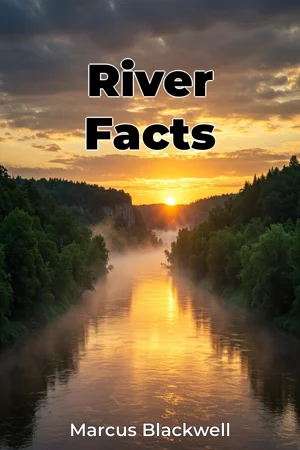
What if the secret to understanding human civilization lies hidden within the world's great rivers? "River Facts" delves into the intricate relationship between these powerful waterways, their geological origins, and their profound influence on the course of human history. This book will explore the formation of major river systems and analyze their lasting impacts on the societies that have flourished along their banks. This book addresses two key topics. First, it investigates the geological processes that create and shape rivers, from the initial sources in mountainous regions to the vast deltas where they meet the sea. Understanding these processes is vital because the behavior of a river dictates its potential for both supporting and challenging human settlements nearby. Second, "River Facts" examines the economic, social, and cultural impacts rivers had on civilizations from ancient times to the modern era. Rivers have served as crucial trade routes, sources of irrigation, and even as inspiration for mythology and art. "River Facts" builds upon foundational knowledge of geography, hydrology, and basic historical timelines. Readers do not require advanced degrees, but a general understanding of world history and earth science will enrich the reading experience. The central argument presented throughout is that rivers are not merely geographical features, but active agents in shaping human destiny. We support this argument by presenting detailed evidence of how civilizations have adapted to and modified their riverine environments, and discuss both the successes and failures of such endeavors. The book begins with an introduction to the fundamental principles of river formation and hydrology, establishing the scientific foundation for subsequent discussions. It then proceeds through three major sections. The first section explores iconic rivers such as the Nile, the Tigris and Euphrates, and the Yellow River, examining their roles in the rise of early agricultural societies and the development of complex political systems. The second focuses on rivers that facilitated exploration and trade, including the Amazon, the Congo, and the Mississippi, all of which profoundly shaped patterns of colonization and resource extraction. The third section addresses contemporary issues facing rivers worldwide, such as pollution, dam construction, and the impacts of climate change. The book culminates with a discussion of sustainable river management strategies and their importance for ensuring the long-term well-being of both human populations and river ecosystems. The evidence and research presented draws from a wide range of sources, including geological surveys, archaeological findings, historical documents, and contemporary environmental studies. Unique data sources include analyses of sediment deposits to reconstruct past environmental conditions and comparative studies of river management policies across different countries. "River Facts" connects to diverse fields, including environmental science, economics, and anthropology. The environmental science connection highlights the ecological importance of rivers and the threats they face. The economic connection explores the role of rivers in facilitating trade and resource extraction. The anthropological connection examines the cultural significance of rivers in shaping human beliefs and practices. These interdisciplinary connections enrich the book's central argument by demonstrating the multifaceted ways in which rivers influence human societies. The book takes a comprehensive and holistic approach, integrating scientific data with historical narratives to provide a nuanced understanding of the complex relationship between rivers and civilizations. The tone is informative and accessible, aiming to engage a broad audience without sacrificing scientific rigor. The writing style is clear and concise, with extensive use of maps, diagrams, and photographs to illustrate key concepts. The intended readership includes students, educators, policymakers, and anyone interested in learning more about the history, geography, and environmental challenges facing the world's rivers. This book is valuable to them because it provides a comprehensive and up-to-date overview of a topic that is both fascinating and vitally important. As a work of non-fiction within the genres of History World, World History, and Earth Sciences Geography, "River Facts" adheres to the conventions of presenting well-researched information in an organized, objective, and engaging manner. It uses accurate data, credible sources, and clear explanations to offer valuable insights into the role of rivers in shaping our world. The book’s scope is global, encompassing major river systems across all continents. However, it is limited by its focus on the broad impacts of rivers on civilizations, rather than in-depth studies of specific river ecosystems or local communities. The information presented can be applied practically to inform river management policies, promote sustainable development practices, and raise awareness about the importance of protecting river ecosystems. Finally, "River Facts" acknowledges that there are ongoing debates and controversies surrounding issues such as dam construction, water allocation, and the environmental impacts of human activities on rivers. The book presents different perspectives on these issues, encouraging readers to critically evaluate the evidence and form their own informed opinions.
What if the secret to understanding human civilization lies hidden within the world's great rivers? "River Facts" delves into the intricate relationship between these powerful waterways, their geological origins, and their profound influence on the course of human history. This book will explore the formation of major river systems and analyze their lasting impacts on the societies that have flourished along their banks. This book addresses two key topics. First, it investigates the geological processes that create and shape rivers, from the initial sources in mountainous regions to the vast deltas where they meet the sea. Understanding these processes is vital because the behavior of a river dictates its potential for both supporting and challenging human settlements nearby. Second, "River Facts" examines the economic, social, and cultural impacts rivers had on civilizations from ancient times to the modern era. Rivers have served as crucial trade routes, sources of irrigation, and even as inspiration for mythology and art. "River Facts" builds upon foundational knowledge of geography, hydrology, and basic historical timelines. Readers do not require advanced degrees, but a general understanding of world history and earth science will enrich the reading experience. The central argument presented throughout is that rivers are not merely geographical features, but active agents in shaping human destiny. We support this argument by presenting detailed evidence of how civilizations have adapted to and modified their riverine environments, and discuss both the successes and failures of such endeavors. The book begins with an introduction to the fundamental principles of river formation and hydrology, establishing the scientific foundation for subsequent discussions. It then proceeds through three major sections. The first section explores iconic rivers such as the Nile, the Tigris and Euphrates, and the Yellow River, examining their roles in the rise of early agricultural societies and the development of complex political systems. The second focuses on rivers that facilitated exploration and trade, including the Amazon, the Congo, and the Mississippi, all of which profoundly shaped patterns of colonization and resource extraction. The third section addresses contemporary issues facing rivers worldwide, such as pollution, dam construction, and the impacts of climate change. The book culminates with a discussion of sustainable river management strategies and their importance for ensuring the long-term well-being of both human populations and river ecosystems. The evidence and research presented draws from a wide range of sources, including geological surveys, archaeological findings, historical documents, and contemporary environmental studies. Unique data sources include analyses of sediment deposits to reconstruct past environmental conditions and comparative studies of river management policies across different countries. "River Facts" connects to diverse fields, including environmental science, economics, and anthropology. The environmental science connection highlights the ecological importance of rivers and the threats they face. The economic connection explores the role of rivers in facilitating trade and resource extraction. The anthropological connection examines the cultural significance of rivers in shaping human beliefs and practices. These interdisciplinary connections enrich the book's central argument by demonstrating the multifaceted ways in which rivers influence human societies. The book takes a comprehensive and holistic approach, integrating scientific data with historical narratives to provide a nuanced understanding of the complex relationship between rivers and civilizations. The tone is informative and accessible, aiming to engage a broad audience without sacrificing scientific rigor. The writing style is clear and concise, with extensive use of maps, diagrams, and photographs to illustrate key concepts. The intended readership includes students, educators, policymakers, and anyone interested in learning more about the history, geography, and environmental challenges facing the world's rivers. This book is valuable to them because it provides a comprehensive and up-to-date overview of a topic that is both fascinating and vitally important. As a work of non-fiction within the genres of History World, World History, and Earth Sciences Geography, "River Facts" adheres to the conventions of presenting well-researched information in an organized, objective, and engaging manner. It uses accurate data, credible sources, and clear explanations to offer valuable insights into the role of rivers in shaping our world. The book’s scope is global, encompassing major river systems across all continents. However, it is limited by its focus on the broad impacts of rivers on civilizations, rather than in-depth studies of specific river ecosystems or local communities. The information presented can be applied practically to inform river management policies, promote sustainable development practices, and raise awareness about the importance of protecting river ecosystems. Finally, "River Facts" acknowledges that there are ongoing debates and controversies surrounding issues such as dam construction, water allocation, and the environmental impacts of human activities on rivers. The book presents different perspectives on these issues, encouraging readers to critically evaluate the evidence and form their own informed opinions.
"River Facts" explores the profound link between the world's rivers, geography, and the trajectory of human civilization. It reveals how these waterways have not only shaped landscapes but also dictated the rise and fall of societies. Consider the ancient Egyptians, whose lives were inextricably linked to the Nile's annual floods, or the Mesopotamians, who harnessed the Tigris and Euphrates for agriculture. The book emphasizes that rivers are active agents in shaping human destiny, a concept supported by detailed evidence from geological surveys, archaeological findings, and historical documents. The book progresses systematically, beginning with the fundamentals of river formation and hydrology. It then delves into the roles of iconic rivers like the Nile, Amazon, and Mississippi, and the Yellow River, examining their influence on early agriculture, exploration, trade, and resource extraction. Finally, "River Facts" addresses contemporary issues such as pollution and climate change, discussing sustainable river management strategies. By integrating scientific data with historical narratives, this book offers a comprehensive understanding of the complex relationship between rivers and civilizations, making it invaluable for students, educators, and anyone interested in world history, earth science, and geography.
Book Details
ISBN
9788233969240
Publisher
Publifye AS
Your Licenses
You don't own any licenses for this book
Purchase a license below to unlock this book and download the EPUB.
Purchase License
Select a tier to unlock this book
Need bulk licensing?
Contact us for enterprise agreements.