
About This Book
Did you know that the Earth breathes fire? "Volcano Facts" plunges into the dynamic world of volcanism, revealing not only the raw destructive power of these geological phenomena but also their fundamental role in shaping our planet and influencing human history. This book explores three core themes: the formation and anatomy of volcanoes, the science behind eruptions, and the historical impact of significant volcanic events. Understanding these themes is crucial because volcanoes are not merely destructive forces; they are integral to the Earth's geological processes, contributing to soil fertility, geothermal energy, and even the formation of new land. To fully appreciate the science of volcanism, a basic understanding of plate tectonics, magma formation, and geological timescales is helpful, though not strictly required. "Volcano Facts" provides this context in an accessible manner, guiding readers through the underlying principles that govern volcanic activity. The central argument of this book is that volcanoes, despite their potential for devastation, are essential components of the Earth's dynamic system and have profoundly influenced the course of human civilization. This understanding is vital for informed decision-making regarding volcanic hazards, resource management, and appreciating the planet's geological heritage. The book unfolds in three major sections. First, it introduces the diverse types of volcanoes, explaining how they form in various tectonic settings and detailing their internal structures. Second, it examines the science of eruptions, covering the different types of volcanic eruptions, the factors that control their intensity, and the hazards they pose, such as pyroclastic flows, lahars, and ashfall. Finally, the book analyzes significant historical eruptions, from Vesuvius to Krakatoa to Mount St. Helens, examining their impact on human societies and the lessons learned from these events. The concluding chapter addresses the ongoing challenges of monitoring and predicting volcanic activity, as well as strategies for mitigating volcanic risk. The evidence presented throughout is based on seismological data, satellite imagery, geological surveys, and historical accounts. "Volcano Facts" incorporates data from the Smithsonian Institution's Global Volcanism Program and academic research papers to offer a comprehensive and reliable overview. "Volcano Facts" connects to various fields, including climatology (through the impact of volcanic aerosols on global temperatures), environmental science (through the study of volcanic emissions), and archaeology (through the preservation of ancient sites by volcanic ash). These interdisciplinary connections enrich the book's perspective, demonstrating the far-reaching influence of volcanism. This book differentiates itself with its balanced approach, combining robust scientific explanations with compelling historical narratives to provide a holistic understanding of volcanoes. The writing style is designed to be both informative and engaging, avoiding jargon while maintaining scientific accuracy. The target audience includes students of Earth science, geography, and history, as well as general readers interested in natural disasters and geological phenomena. It is valuable to anyone seeking a reliable and accessible introduction to the science of volcanism and its historical impact. As a work of non-fiction in the Earth Sciences, "Volcano Facts" adheres to the genre's conventions of accuracy, objectivity, and clear presentation of evidence. While the book covers a wide range of volcanic phenomena, it focuses primarily on terrestrial volcanoes, with limited discussion of submarine volcanism or volcanism on other planets. The knowledge contained within "Volcano Facts" has real-world applications for communities living near active volcanoes, informing hazard mitigation strategies, land-use planning, and emergency preparedness. It also contributes to a broader understanding of climate change and the Earth's dynamic processes. The book addresses controversies such as the degree to which volcanic activity contributes to climate change and the effectiveness of different volcanic monitoring techniques. By presenting multiple perspectives, "Volcano Facts" encourages critical thinking and informed discussion.
Did you know that the Earth breathes fire? "Volcano Facts" plunges into the dynamic world of volcanism, revealing not only the raw destructive power of these geological phenomena but also their fundamental role in shaping our planet and influencing human history. This book explores three core themes: the formation and anatomy of volcanoes, the science behind eruptions, and the historical impact of significant volcanic events. Understanding these themes is crucial because volcanoes are not merely destructive forces; they are integral to the Earth's geological processes, contributing to soil fertility, geothermal energy, and even the formation of new land. To fully appreciate the science of volcanism, a basic understanding of plate tectonics, magma formation, and geological timescales is helpful, though not strictly required. "Volcano Facts" provides this context in an accessible manner, guiding readers through the underlying principles that govern volcanic activity. The central argument of this book is that volcanoes, despite their potential for devastation, are essential components of the Earth's dynamic system and have profoundly influenced the course of human civilization. This understanding is vital for informed decision-making regarding volcanic hazards, resource management, and appreciating the planet's geological heritage. The book unfolds in three major sections. First, it introduces the diverse types of volcanoes, explaining how they form in various tectonic settings and detailing their internal structures. Second, it examines the science of eruptions, covering the different types of volcanic eruptions, the factors that control their intensity, and the hazards they pose, such as pyroclastic flows, lahars, and ashfall. Finally, the book analyzes significant historical eruptions, from Vesuvius to Krakatoa to Mount St. Helens, examining their impact on human societies and the lessons learned from these events. The concluding chapter addresses the ongoing challenges of monitoring and predicting volcanic activity, as well as strategies for mitigating volcanic risk. The evidence presented throughout is based on seismological data, satellite imagery, geological surveys, and historical accounts. "Volcano Facts" incorporates data from the Smithsonian Institution's Global Volcanism Program and academic research papers to offer a comprehensive and reliable overview. "Volcano Facts" connects to various fields, including climatology (through the impact of volcanic aerosols on global temperatures), environmental science (through the study of volcanic emissions), and archaeology (through the preservation of ancient sites by volcanic ash). These interdisciplinary connections enrich the book's perspective, demonstrating the far-reaching influence of volcanism. This book differentiates itself with its balanced approach, combining robust scientific explanations with compelling historical narratives to provide a holistic understanding of volcanoes. The writing style is designed to be both informative and engaging, avoiding jargon while maintaining scientific accuracy. The target audience includes students of Earth science, geography, and history, as well as general readers interested in natural disasters and geological phenomena. It is valuable to anyone seeking a reliable and accessible introduction to the science of volcanism and its historical impact. As a work of non-fiction in the Earth Sciences, "Volcano Facts" adheres to the genre's conventions of accuracy, objectivity, and clear presentation of evidence. While the book covers a wide range of volcanic phenomena, it focuses primarily on terrestrial volcanoes, with limited discussion of submarine volcanism or volcanism on other planets. The knowledge contained within "Volcano Facts" has real-world applications for communities living near active volcanoes, informing hazard mitigation strategies, land-use planning, and emergency preparedness. It also contributes to a broader understanding of climate change and the Earth's dynamic processes. The book addresses controversies such as the degree to which volcanic activity contributes to climate change and the effectiveness of different volcanic monitoring techniques. By presenting multiple perspectives, "Volcano Facts" encourages critical thinking and informed discussion.
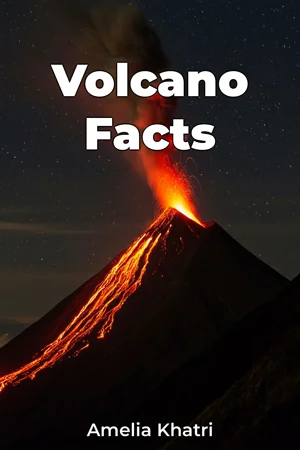
"Volcano Facts" explores the fascinating world of volcanism, highlighting its destructive power and its vital role in shaping our planet. Volcanoes aren't just agents of destruction; they contribute to soil fertility and geothermal energy, and even create new land. The book reveals how these geological phenomena are integral to Earth's processes and influence human history. The book examines volcano formation, eruption science, and the historical impact of volcanic events, such as Vesuvius, Krakatoa and Mount St. Helens. You'll learn about plate tectonics and magma formation in an accessible way. Did you know that volcanic aerosols can affect global temperatures? Or that volcanic ash can preserve ancient sites, linking volcanism to both climatology and archaeology? The book progresses across three main sections, starting with volcano types and their formation, then delves into the science of eruptions and associated hazards, and concludes with analyses of significant historical eruptions. "Volcano Facts" balances robust scientific explanations with compelling historical narratives, making it a valuable resource for students and anyone interested in understanding these powerful forces of nature.
Book Details
ISBN
9788233969219
Publisher
Publifye AS
Your Licenses
You don't own any licenses for this book
Purchase a license below to unlock this book and download the EPUB.
Purchase License
Select a tier to unlock this book
Need bulk licensing?
Contact us for enterprise agreements.