
About This Book
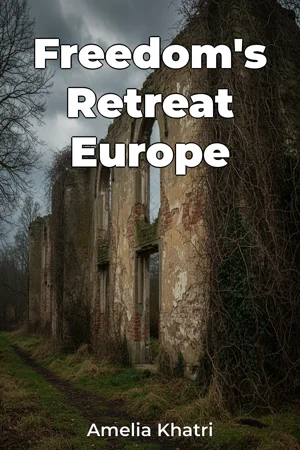
Are the regulatory frameworks designed to safeguard modern European democracies inadvertently eroding the very freedoms they intend to protect? "Freedom's Retreat Europe" examines the unsettling parallels between contemporary European regulatory controls and historical practices employed by authoritarian regimes, challenging the assumption that increased regulation always equates to increased security or societal well-being. This book delves into the complex relationship between liberty and control, raising critical questions about the long-term consequences of unchecked regulatory expansion. The book will primarily explore three key areas: the expansion of surveillance technologies under the guise of national security, the increasing constraints on freedom of speech justified by the need to combat hate speech and misinformation, and the economic regulations that, while ostensibly designed to promote fairness, may stifle innovation and competition. These topics are of paramount importance because they directly impact the fundamental rights and liberties of European citizens, potentially leading to a gradual erosion of democratic values and principles. Understanding these trends is crucial for policymakers, academics, and citizens alike, as they shape the future of European society. "Freedom's Retreat Europe" grounds its analysis in a rigorous historical context, drawing comparisons between current regulatory trends and the methods used by past authoritarian regimes to control populations and suppress dissent. It examines historical examples of how ostensibly benevolent regulations were used to justify oppressive measures, offering a cautionary tale about the potential for well-intentioned policies to have unintended consequences. The core argument of this book is that certain contemporary European regulatory practices, despite being implemented with democratic intentions, bear a striking resemblance to the tools of control used by authoritarian states, posing a significant threat to individual liberties and democratic institutions. This argument is critical because it challenges the prevailing narrative that equates regulation with progress, urging a more nuanced and critical assessment of the impact of regulatory policies on freedom. The book begins by introducing the fundamental concepts of liberty, security, and the role of regulation in a democratic society. It then develops its argument through three major sections. The first examines the expansion of surveillance technologies, analyzing the legal frameworks that enable mass surveillance and the potential for abuse. The second explores the restrictions on freedom of speech, focusing on the definition and regulation of hate speech and misinformation, and the chilling effect these regulations can have on legitimate expression. The third scrutinizes economic regulations, assessing their impact on innovation, competition, and economic freedom. Culminating, the book provides an overview of the implications of these trends for the future of European democracy, offering recommendations for safeguarding individual liberties while addressing legitimate societal concerns. The evidence presented in "Freedom's Retreat Europe" is drawn from diverse sources, including legal documents, policy reports, academic research, and firsthand accounts. The book also utilizes comparative analysis, examining regulatory practices in different European countries and comparing them to historical examples of authoritarian control. This interdisciplinary approach connects political science, history, and law. The book offers a unique perspective by highlighting the subtle yet pervasive ways in which regulatory creep can erode individual liberties, even within established democracies. The writing style is academic yet accessible, aiming to inform and engage a broad audience without sacrificing intellectual rigor. The target audience includes academics, policymakers, journalists, and anyone interested in the future of European democracy and the preservation of individual liberties. This book offers valuable insights for those seeking to understand the complex relationship between freedom and control in the 21st century. As a work of political analysis and history, "Freedom's Retreat Europe" adheres to the genre's conventions of rigorous research, clear argumentation, and objective analysis. The book's scope is limited to an examination of specific regulatory trends in Europe, focusing on their impact on individual liberties. It does not attempt to provide a comprehensive overview of all aspects of European governance or to delve into the specific political contexts of individual European nations but aims to raise questions and to generate thoughtful discussion. "Freedom's Retreat Europe" addresses the ongoing debate about the balance between security and liberty, offering a critical perspective on regulatory policies and their potential impact on democratic values.
Are the regulatory frameworks designed to safeguard modern European democracies inadvertently eroding the very freedoms they intend to protect? "Freedom's Retreat Europe" examines the unsettling parallels between contemporary European regulatory controls and historical practices employed by authoritarian regimes, challenging the assumption that increased regulation always equates to increased security or societal well-being. This book delves into the complex relationship between liberty and control, raising critical questions about the long-term consequences of unchecked regulatory expansion. The book will primarily explore three key areas: the expansion of surveillance technologies under the guise of national security, the increasing constraints on freedom of speech justified by the need to combat hate speech and misinformation, and the economic regulations that, while ostensibly designed to promote fairness, may stifle innovation and competition. These topics are of paramount importance because they directly impact the fundamental rights and liberties of European citizens, potentially leading to a gradual erosion of democratic values and principles. Understanding these trends is crucial for policymakers, academics, and citizens alike, as they shape the future of European society. "Freedom's Retreat Europe" grounds its analysis in a rigorous historical context, drawing comparisons between current regulatory trends and the methods used by past authoritarian regimes to control populations and suppress dissent. It examines historical examples of how ostensibly benevolent regulations were used to justify oppressive measures, offering a cautionary tale about the potential for well-intentioned policies to have unintended consequences. The core argument of this book is that certain contemporary European regulatory practices, despite being implemented with democratic intentions, bear a striking resemblance to the tools of control used by authoritarian states, posing a significant threat to individual liberties and democratic institutions. This argument is critical because it challenges the prevailing narrative that equates regulation with progress, urging a more nuanced and critical assessment of the impact of regulatory policies on freedom. The book begins by introducing the fundamental concepts of liberty, security, and the role of regulation in a democratic society. It then develops its argument through three major sections. The first examines the expansion of surveillance technologies, analyzing the legal frameworks that enable mass surveillance and the potential for abuse. The second explores the restrictions on freedom of speech, focusing on the definition and regulation of hate speech and misinformation, and the chilling effect these regulations can have on legitimate expression. The third scrutinizes economic regulations, assessing their impact on innovation, competition, and economic freedom. Culminating, the book provides an overview of the implications of these trends for the future of European democracy, offering recommendations for safeguarding individual liberties while addressing legitimate societal concerns. The evidence presented in "Freedom's Retreat Europe" is drawn from diverse sources, including legal documents, policy reports, academic research, and firsthand accounts. The book also utilizes comparative analysis, examining regulatory practices in different European countries and comparing them to historical examples of authoritarian control. This interdisciplinary approach connects political science, history, and law. The book offers a unique perspective by highlighting the subtle yet pervasive ways in which regulatory creep can erode individual liberties, even within established democracies. The writing style is academic yet accessible, aiming to inform and engage a broad audience without sacrificing intellectual rigor. The target audience includes academics, policymakers, journalists, and anyone interested in the future of European democracy and the preservation of individual liberties. This book offers valuable insights for those seeking to understand the complex relationship between freedom and control in the 21st century. As a work of political analysis and history, "Freedom's Retreat Europe" adheres to the genre's conventions of rigorous research, clear argumentation, and objective analysis. The book's scope is limited to an examination of specific regulatory trends in Europe, focusing on their impact on individual liberties. It does not attempt to provide a comprehensive overview of all aspects of European governance or to delve into the specific political contexts of individual European nations but aims to raise questions and to generate thoughtful discussion. "Freedom's Retreat Europe" addresses the ongoing debate about the balance between security and liberty, offering a critical perspective on regulatory policies and their potential impact on democratic values.
"Freedom's Retreat Europe" explores a pressing question: Are modern European regulations, intended to protect democracies, inadvertently eroding individual liberties? The book examines parallels between contemporary regulatory controls and historical methods used by authoritarian regimes, challenging the assumption that more regulation always equals greater security. It delves into areas like the expansion of surveillance technologies and increasing constraints on freedom of speech under the guise of combating hate speech and misinformation, and the impact of economic regulations on innovation. A key insight is how seemingly benevolent regulations can have unintended consequences, potentially stifling European democracy. The book provides a political analysis of European history by grounding its arguments in rigorous historical context, comparing current regulatory trends with past authoritarian practices. It progresses by first introducing core concepts, then examining surveillance technologies, restrictions on free speech, and economic regulations, ultimately offering recommendations for safeguarding liberties. This approach provides a unique perspective on how regulatory creep can subtly erode individual freedoms, making it valuable for academics, policymakers, and anyone interested in the future of European democracy.
Book Details
ISBN
9788233969134
Publisher
Publifye AS
Your Licenses
You don't own any licenses for this book
Purchase a license below to unlock this book and download the EPUB.
Purchase License
Select a tier to unlock this book
Need bulk licensing?
Contact us for enterprise agreements.