
About This Book
Are democratic societies reverting to the very tactics they once condemned? "State Control Return" investigates the unsettling resurgence of social control mechanisms within contemporary European governments—techniques eerily reminiscent of those employed by authoritarian regimes during the Cold War. This book delves into the subtle yet impactful ways in which modern states are reasserting authority over their citizens, prompting a crucial examination of the balance between security and individual liberty. At the heart of this analysis lie two primary themes: the evolution of surveillance technologies and the manipulation of public discourse. The proliferation of digital surveillance, fueled by concerns over terrorism and crime, has created an environment where citizens' activities are constantly monitored and analyzed. Simultaneously, governments are increasingly adept at shaping public opinion through sophisticated propaganda techniques and the control of information flows. These trends are particularly significant because they challenge the fundamental principles of democratic governance, potentially eroding citizens' trust in their institutions and limiting their ability to participate meaningfully in public life. To understand this phenomenon, we must look back to the Cold War, a period defined by intense ideological rivalry and pervasive state control. Both sides of the Iron Curtain employed extensive surveillance networks, censorship, and propaganda to maintain power and suppress dissent. While the fall of the Berlin Wall was hailed as a victory for freedom and democracy, this book argues that the tools and techniques of social control have not disappeared. Instead, they have been adapted and refined for use in the digital age. "State Control Return" posits that the intensification of state control in Europe is not merely a response to immediate crises, but a symptom of a deeper shift in the relationship between government and citizen. The book is structured to first introduce the historical context and theoretical framework for understanding social control. It then examines specific examples of surveillance practices, such as the use of facial recognition technology and the tracking of online communications, detailing case studies from across Europe. Next, it analyzes the ways in which governments are influencing public discourse through media manipulation, disinformation campaigns, and the suppression of dissenting voices. The concluding chapters synthesize these findings, exploring the long-term implications for democracy and proposing potential strategies for safeguarding individual liberties in an age of increasing state power. The analysis relies on a wide range of evidence and research, including government documents, academic studies, journalistic investigations, and interviews with civil society activists. It also draws on unique data sources, such as analyses of social media trends and network data illustrating the spread of disinformation. The book is inherently interdisciplinary, drawing connections between political science, history, sociology, and communication studies. This allows for a more nuanced understanding of the complex factors driving the resurgence of state control. It offers a detailed analysis of the historical context, a critical examination of contemporary political trends, and a sociological perspective on the impact of these trends on individual citizens. What sets "State Control Return" apart is its comparative perspective. By examining the experiences of multiple European countries, it identifies common patterns and highlights the specific factors that contribute to the intensification of state control in different contexts. It employs a rigorous, evidence-based approach, presenting a balanced and objective assessment of the challenges facing democratic societies. Written in an academic style, the book is primarily intended for scholars, researchers, and students in the fields of political science, history, and sociology. However, it will also appeal to a broader audience of informed citizens who are concerned about the future of democracy and the protection of civil liberties. The book aims to inform public debate and inspire action to defend democratic values in an era of increasing authoritarianism. The scope of this book is limited to Europe to allow for a more in-depth analysis of the specific political and social dynamics at play in the region. The analysis focuses on the period since the end of the Cold War, although it also draws on historical precedents to provide context. The information presented in "State Control Return" has practical applications for policymakers, civil society organizations, and individual citizens. It provides insights into the potential dangers of unchecked state power and offers guidance on how to safeguard democratic institutions and protect fundamental rights. The book addresses ongoing debates about the balance between security and liberty, the role of technology in society, and the responsibility of governments to protect their citizens while upholding their rights. These are contentious issues, and the book aims to contribute to a more informed and nuanced discussion.
Are democratic societies reverting to the very tactics they once condemned? "State Control Return" investigates the unsettling resurgence of social control mechanisms within contemporary European governments—techniques eerily reminiscent of those employed by authoritarian regimes during the Cold War. This book delves into the subtle yet impactful ways in which modern states are reasserting authority over their citizens, prompting a crucial examination of the balance between security and individual liberty. At the heart of this analysis lie two primary themes: the evolution of surveillance technologies and the manipulation of public discourse. The proliferation of digital surveillance, fueled by concerns over terrorism and crime, has created an environment where citizens' activities are constantly monitored and analyzed. Simultaneously, governments are increasingly adept at shaping public opinion through sophisticated propaganda techniques and the control of information flows. These trends are particularly significant because they challenge the fundamental principles of democratic governance, potentially eroding citizens' trust in their institutions and limiting their ability to participate meaningfully in public life. To understand this phenomenon, we must look back to the Cold War, a period defined by intense ideological rivalry and pervasive state control. Both sides of the Iron Curtain employed extensive surveillance networks, censorship, and propaganda to maintain power and suppress dissent. While the fall of the Berlin Wall was hailed as a victory for freedom and democracy, this book argues that the tools and techniques of social control have not disappeared. Instead, they have been adapted and refined for use in the digital age. "State Control Return" posits that the intensification of state control in Europe is not merely a response to immediate crises, but a symptom of a deeper shift in the relationship between government and citizen. The book is structured to first introduce the historical context and theoretical framework for understanding social control. It then examines specific examples of surveillance practices, such as the use of facial recognition technology and the tracking of online communications, detailing case studies from across Europe. Next, it analyzes the ways in which governments are influencing public discourse through media manipulation, disinformation campaigns, and the suppression of dissenting voices. The concluding chapters synthesize these findings, exploring the long-term implications for democracy and proposing potential strategies for safeguarding individual liberties in an age of increasing state power. The analysis relies on a wide range of evidence and research, including government documents, academic studies, journalistic investigations, and interviews with civil society activists. It also draws on unique data sources, such as analyses of social media trends and network data illustrating the spread of disinformation. The book is inherently interdisciplinary, drawing connections between political science, history, sociology, and communication studies. This allows for a more nuanced understanding of the complex factors driving the resurgence of state control. It offers a detailed analysis of the historical context, a critical examination of contemporary political trends, and a sociological perspective on the impact of these trends on individual citizens. What sets "State Control Return" apart is its comparative perspective. By examining the experiences of multiple European countries, it identifies common patterns and highlights the specific factors that contribute to the intensification of state control in different contexts. It employs a rigorous, evidence-based approach, presenting a balanced and objective assessment of the challenges facing democratic societies. Written in an academic style, the book is primarily intended for scholars, researchers, and students in the fields of political science, history, and sociology. However, it will also appeal to a broader audience of informed citizens who are concerned about the future of democracy and the protection of civil liberties. The book aims to inform public debate and inspire action to defend democratic values in an era of increasing authoritarianism. The scope of this book is limited to Europe to allow for a more in-depth analysis of the specific political and social dynamics at play in the region. The analysis focuses on the period since the end of the Cold War, although it also draws on historical precedents to provide context. The information presented in "State Control Return" has practical applications for policymakers, civil society organizations, and individual citizens. It provides insights into the potential dangers of unchecked state power and offers guidance on how to safeguard democratic institutions and protect fundamental rights. The book addresses ongoing debates about the balance between security and liberty, the role of technology in society, and the responsibility of governments to protect their citizens while upholding their rights. These are contentious issues, and the book aims to contribute to a more informed and nuanced discussion.
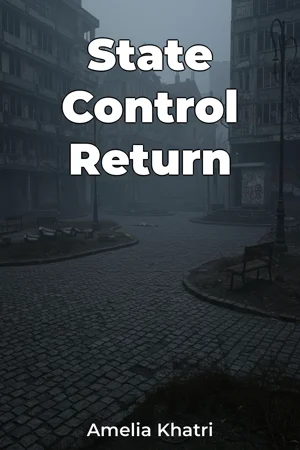
"State Control Return" explores the re-emergence of social control tactics by European governments, echoing methods used during the Cold War. The book investigates how modern states are reasserting authority, creating a need to re-evaluate the balance between national security and civil liberties. It examines the growth of digital surveillance technologies, where citizens' activities are constantly monitored, and the manipulation of public discourse through propaganda. The book argues these trends challenge democracy, eroding trust in institutions. It examines the historical context, specific surveillance practices, and government's influence on public discourse, drawing on government documents, academic studies, and journalistic investigations. Through case studies across Europe, the book identifies common patterns and unique factors contributing to increased state control. This book is unique for its comparative perspective, offering a detailed analysis of historical context and contemporary political trends. It is structured to first introduce the historical context and theoretical framework for understanding social control and progresses to examine specific examples of surveillance practices, such as the use of facial recognition technology and the tracking of online communications, detailing case studies from across Europe. The book also analyzes the ways in which governments are influencing public discourse through media manipulation, disinformation campaigns, and the suppression of dissenting voices. The concluding chapters synthesize these findings, exploring the long-term implications for democracy and proposing potential strategies for safeguarding individual liberties in an age of increasing state power.
Book Details
ISBN
9788233969127
Publisher
Publifye AS
Your Licenses
You don't own any licenses for this book
Purchase a license below to unlock this book and download the EPUB.
Purchase License
Select a tier to unlock this book
Need bulk licensing?
Contact us for enterprise agreements.