
About This Book
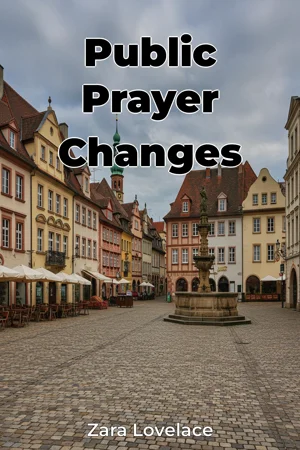
Is the public square truly public if certain expressions are curtailed? In *Public Prayer Changes*, we explore the evolving landscape of religious expression in Europe, dissecting the socio-political factors driving new regulations regarding public prayer and religious displays. This book is important, because it addresses fundamental questions about freedom of speech, religious liberty, and the role of the state in a diverse society—issues increasingly relevant in a globalized world. We examine the historical context of church-state relations in Europe, tracing the development of secularism and the increasing diversification of religious beliefs. Understanding this background is crucial to comprehending the current tensions surrounding public displays of faith. The central argument of *Public Prayer Changes* posits that these new regulations are not simply about secularization, but rather are often driven by complex intersections of national identity, security concerns, and the rise of populism. The importance of this argument lies in its challenge to simplistic narratives about the decline of religion, offering a more nuanced understanding of the forces shaping contemporary European societies. The book unfolds in three major sections. First, we introduce the core concepts of secularism, religious pluralism, and freedom of expression, establishing a theoretical framework for understanding the debates. Second, we analyze case studies from various European nations, including France, Germany, and the United Kingdom. These examples explore specific instances of regulatory changes concerning public prayer, religious symbols, and the construction of religious spaces. We consider the legal challenges, public debates, and political maneuvering surrounding each case. Third, we synthesize these findings to demonstrate how diverse factors such as immigration, terrorism, and the resurgence of nationalist sentiments influence policy decisions related to religious expression. The culmination of the argument demonstrates how these regulations, while often presented under the guise of neutrality, frequently reflect underlying anxieties about national identity and social cohesion. Our analysis is built upon diverse sources: legal documents, policy reports, sociological surveys, and media coverage of relevant events. We also incorporate interviews with religious leaders, policymakers, and community members to provide firsthand perspectives on the impact of these regulations. The book connects to other fields like political science, sociology, and law, offering insights into the dynamics of power, social change, and legal interpretation. Its unique perspective lies in its comparative analysis of different national contexts, revealing how similar challenges are addressed through distinct policy approaches. The tone is academic, yet accessible, aiming to inform both scholars and general readers interested in these complex issues. The intended audience includes students, researchers, policymakers, and anyone concerned about the future of religious freedom and social cohesion in democratic societies. This book does not attempt to provide a comprehensive overview of all religious freedom issues in Europe. Instead, its scope is deliberately focused on the specific topic of public prayer and religious expression to allow for in-depth analysis. This provides a clearer view of the core political and social dynamics at play. Practically speaking, understanding these dynamics can inform policy debates, promote interfaith dialogue, and help protect religious liberties within the constraints of secular legal frameworks. The book addresses ongoing debates about the balance between individual religious freedom and the collective interest in maintaining social order, while also acknowledging potential conflicts between different groups' cultural or religious values within secularized nations.
Is the public square truly public if certain expressions are curtailed? In *Public Prayer Changes*, we explore the evolving landscape of religious expression in Europe, dissecting the socio-political factors driving new regulations regarding public prayer and religious displays. This book is important, because it addresses fundamental questions about freedom of speech, religious liberty, and the role of the state in a diverse society—issues increasingly relevant in a globalized world. We examine the historical context of church-state relations in Europe, tracing the development of secularism and the increasing diversification of religious beliefs. Understanding this background is crucial to comprehending the current tensions surrounding public displays of faith. The central argument of *Public Prayer Changes* posits that these new regulations are not simply about secularization, but rather are often driven by complex intersections of national identity, security concerns, and the rise of populism. The importance of this argument lies in its challenge to simplistic narratives about the decline of religion, offering a more nuanced understanding of the forces shaping contemporary European societies. The book unfolds in three major sections. First, we introduce the core concepts of secularism, religious pluralism, and freedom of expression, establishing a theoretical framework for understanding the debates. Second, we analyze case studies from various European nations, including France, Germany, and the United Kingdom. These examples explore specific instances of regulatory changes concerning public prayer, religious symbols, and the construction of religious spaces. We consider the legal challenges, public debates, and political maneuvering surrounding each case. Third, we synthesize these findings to demonstrate how diverse factors such as immigration, terrorism, and the resurgence of nationalist sentiments influence policy decisions related to religious expression. The culmination of the argument demonstrates how these regulations, while often presented under the guise of neutrality, frequently reflect underlying anxieties about national identity and social cohesion. Our analysis is built upon diverse sources: legal documents, policy reports, sociological surveys, and media coverage of relevant events. We also incorporate interviews with religious leaders, policymakers, and community members to provide firsthand perspectives on the impact of these regulations. The book connects to other fields like political science, sociology, and law, offering insights into the dynamics of power, social change, and legal interpretation. Its unique perspective lies in its comparative analysis of different national contexts, revealing how similar challenges are addressed through distinct policy approaches. The tone is academic, yet accessible, aiming to inform both scholars and general readers interested in these complex issues. The intended audience includes students, researchers, policymakers, and anyone concerned about the future of religious freedom and social cohesion in democratic societies. This book does not attempt to provide a comprehensive overview of all religious freedom issues in Europe. Instead, its scope is deliberately focused on the specific topic of public prayer and religious expression to allow for in-depth analysis. This provides a clearer view of the core political and social dynamics at play. Practically speaking, understanding these dynamics can inform policy debates, promote interfaith dialogue, and help protect religious liberties within the constraints of secular legal frameworks. The book addresses ongoing debates about the balance between individual religious freedom and the collective interest in maintaining social order, while also acknowledging potential conflicts between different groups' cultural or religious values within secularized nations.
"Public Prayer Changes" examines the evolving role of religious expression in Europe, focusing on the socio-political factors behind new regulations affecting public prayer and religious displays. The book highlights the tensions between religious freedom, national identity, and secularism, exploring how increasing regulations aren't merely about secularization but are often driven by concerns over security and the rise of populism. Did you know that the book argues these regulations often mask underlying anxieties about national identity and social cohesion? The book's approach begins by establishing a theoretical framework around secularism, religious pluralism, and freedom of expression. It proceeds with case studies from countries like France, Germany, and the United Kingdom, analyzing specific instances of regulatory changes concerning public prayer and religious symbols. Finally, it synthesizes these findings to demonstrate how immigration, terrorism, and nationalism influence policy decisions, using legal documents, policy reports, surveys, and interviews.
Book Details
ISBN
9788233969080
Publisher
Publifye AS
Your Licenses
You don't own any licenses for this book
Purchase a license below to unlock this book and download the EPUB.
Purchase License
Select a tier to unlock this book
Need bulk licensing?
Contact us for enterprise agreements.