
About This Book
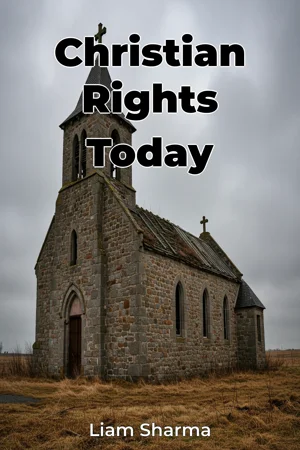
Is religious freedom, once considered a cornerstone of European identity, now under threat? "Christian Rights Today" explores the evolving landscape of religious expression in Europe, documenting a discernible shift in policy that increasingly restricts traditional Christian practices. This book delves into the core reasons behind these changes and their broader implications for religious liberty across the continent. This analysis centers on three key areas: the redefinition of secularism, the rise of competing rights claims, and the impact of demographic shifts on religious life. Secularism, initially conceived as a neutral space for diverse beliefs, is increasingly interpreted as requiring the marginalization of religious expression in the public sphere. Simultaneously, the rise of new rights movements often leads to clashes with established religious practices, particularly concerning issues of sexuality and gender identity. Finally, changing demographics, including increased immigration and declining rates of Christian affiliation in some regions, are reshaping the religious landscape and prompting reevaluations of established norms. Understanding these dynamics requires acknowledging the historical context of religious pluralism in Europe, the legacy of the Enlightenment, and the complex relationship between church and state in various nations. "Christian Rights Today" argues that while Europe prides itself on its commitment to human rights, the application of these rights is becoming increasingly selective, disproportionately affecting Christian communities and institutions. The book's central thesis posits that a nuanced understanding of both historical precedents and contemporary social forces is crucial to preserving genuine religious freedom for all within Europe. The book unfolds in three primary sections. The first section introduces the concept of religious freedom within the European legal and philosophical framework. This provides a foundation for understanding the historical guarantees afforded to religious expression. The second section examines specific instances of restriction and challenges to Christian practices across several European nations. Case studies analyze legal battles over religious symbols in public spaces, limitations on conscientious objection, and controversies surrounding religious education. The final section synthesizes these observations and explores potential strategies for protecting religious freedom in an increasingly secular and pluralistic society. It considers the role of legal advocacy, interfaith dialogue, and public engagement in preserving the rights of Christians and other religious minorities. The book’s findings rest on a diverse range of sources, including legal documents, policy reports, statistical data, and interviews with religious leaders, legal experts, and individuals directly affected by these changing policies. It draws upon data from organizations monitoring religious freedom, academic research on secularization and religious pluralism, and legal analyses of relevant court decisions. This interdisciplinary approach connects the study of religion and politics with the fields of law, sociology, and demography, offering a comprehensive picture of the challenges facing Christian communities today. This book adopts a scholarly yet accessible tone, aiming to inform and engage a broad audience concerned with religious freedom, human rights, and European politics. While grounded in rigorous research, the writing style avoids excessive jargon, making the content readily understandable to non-specialists. "Christian Rights Today" is designed for policymakers, legal professionals, religious leaders, academics, and anyone interested in the future of religious freedom in Europe and seeks to contribute to ongoing debates about the balance between individual rights, religious expression, and the role of religion in public life. The book is not intended to provide an exhaustive account of every instance of religious discrimination across Europe but rather to offer a representative overview of the key trends and challenges. By focusing on specific case studies and thematic analyses, "Christian Rights Today" aims to provide readers with the analytical tools necessary to understand and respond to the evolving dynamics of religious freedom in the 21st century. The practical applications of this analysis extend to informing public discourse, shaping legal strategies, and promoting interfaith understanding. This examination aims to foster a more inclusive and equitable society where all individuals can freely practice their faith without fear of discrimination or coercion.
Is religious freedom, once considered a cornerstone of European identity, now under threat? "Christian Rights Today" explores the evolving landscape of religious expression in Europe, documenting a discernible shift in policy that increasingly restricts traditional Christian practices. This book delves into the core reasons behind these changes and their broader implications for religious liberty across the continent. This analysis centers on three key areas: the redefinition of secularism, the rise of competing rights claims, and the impact of demographic shifts on religious life. Secularism, initially conceived as a neutral space for diverse beliefs, is increasingly interpreted as requiring the marginalization of religious expression in the public sphere. Simultaneously, the rise of new rights movements often leads to clashes with established religious practices, particularly concerning issues of sexuality and gender identity. Finally, changing demographics, including increased immigration and declining rates of Christian affiliation in some regions, are reshaping the religious landscape and prompting reevaluations of established norms. Understanding these dynamics requires acknowledging the historical context of religious pluralism in Europe, the legacy of the Enlightenment, and the complex relationship between church and state in various nations. "Christian Rights Today" argues that while Europe prides itself on its commitment to human rights, the application of these rights is becoming increasingly selective, disproportionately affecting Christian communities and institutions. The book's central thesis posits that a nuanced understanding of both historical precedents and contemporary social forces is crucial to preserving genuine religious freedom for all within Europe. The book unfolds in three primary sections. The first section introduces the concept of religious freedom within the European legal and philosophical framework. This provides a foundation for understanding the historical guarantees afforded to religious expression. The second section examines specific instances of restriction and challenges to Christian practices across several European nations. Case studies analyze legal battles over religious symbols in public spaces, limitations on conscientious objection, and controversies surrounding religious education. The final section synthesizes these observations and explores potential strategies for protecting religious freedom in an increasingly secular and pluralistic society. It considers the role of legal advocacy, interfaith dialogue, and public engagement in preserving the rights of Christians and other religious minorities. The book’s findings rest on a diverse range of sources, including legal documents, policy reports, statistical data, and interviews with religious leaders, legal experts, and individuals directly affected by these changing policies. It draws upon data from organizations monitoring religious freedom, academic research on secularization and religious pluralism, and legal analyses of relevant court decisions. This interdisciplinary approach connects the study of religion and politics with the fields of law, sociology, and demography, offering a comprehensive picture of the challenges facing Christian communities today. This book adopts a scholarly yet accessible tone, aiming to inform and engage a broad audience concerned with religious freedom, human rights, and European politics. While grounded in rigorous research, the writing style avoids excessive jargon, making the content readily understandable to non-specialists. "Christian Rights Today" is designed for policymakers, legal professionals, religious leaders, academics, and anyone interested in the future of religious freedom in Europe and seeks to contribute to ongoing debates about the balance between individual rights, religious expression, and the role of religion in public life. The book is not intended to provide an exhaustive account of every instance of religious discrimination across Europe but rather to offer a representative overview of the key trends and challenges. By focusing on specific case studies and thematic analyses, "Christian Rights Today" aims to provide readers with the analytical tools necessary to understand and respond to the evolving dynamics of religious freedom in the 21st century. The practical applications of this analysis extend to informing public discourse, shaping legal strategies, and promoting interfaith understanding. This examination aims to foster a more inclusive and equitable society where all individuals can freely practice their faith without fear of discrimination or coercion.
"Christian Rights Today" examines the evolving state of religious freedom in Europe, highlighting increasing restrictions on traditional Christian practices amidst changing interpretations of secularism and rising rights claims. The book argues that while Europe champions human rights, the application of these rights is becoming selective, disproportionately impacting Christian communities. It explores how the redefinition of secularism is marginalizing religious expression and how demographic shifts impact religious life, contributing to reevaluations of established norms. The book approaches this complex issue by first establishing the historical and legal framework of religious freedom in Europe. It then presents case studies from various European nations, illustrating challenges to Christian practices, such as legal battles over religious symbols and limitations on conscientious objection. The final section synthesizes these observations, offering strategies for protecting religious freedom in an increasingly secular and pluralistic environment, emphasizing the importance of interfaith dialogue and public engagement. The book's analysis of religious freedom, religious expression, and religious minorities provides valuable insights into European politics and the ongoing debates about the balance between religious identity and human rights.
Book Details
ISBN
9788233969073
Publisher
Publifye AS
Your Licenses
You don't own any licenses for this book
Purchase a license below to unlock this book and download the EPUB.
Purchase License
Select a tier to unlock this book
Need bulk licensing?
Contact us for enterprise agreements.