
About This Book
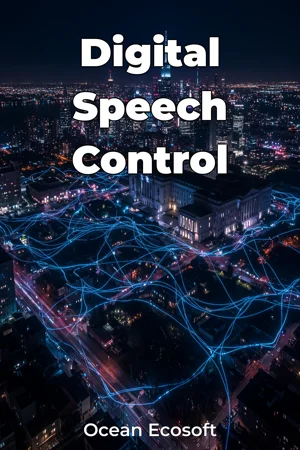
In an era defined by the pervasive influence of social media, how far should governments go in regulating online speech, particularly during times of civil unrest? "Digital Speech Control" delves into this complex question, offering a critical examination of European social media regulation policies and governmental interventions aimed at managing digital discourse during periods of social and political turbulence. This book explores the evolving landscape of digital governance, focusing on the tension between freedom of expression and the perceived need to maintain public order. The book centers around three key themes: the emergence of social media as a battleground for information and influence during civil unrest; the various policy instruments and legal frameworks adopted by European governments to regulate online content; and the implications of these interventions for democratic values and fundamental rights. These topics are crucial because they address the core challenges of balancing security concerns with the protection of free speech in the digital age. "Digital Speech Control" provides a comprehensive analysis of official EU communications, policy documents, and case studies of government interventions in several European countries. It investigates instances where social media platforms have been used to organize protests, disseminate misinformation, or incite violence, and examines the responses of national governments and EU institutions. The central argument is that while regulating digital speech may be necessary in certain circumstances to prevent harm and maintain public safety, the current approaches risk infringing upon fundamental rights and stifling legitimate dissent. The book posits that a more nuanced and rights-respecting framework is needed to govern digital speech during times of crisis. The book is structured in three parts. The first section introduces the key concepts and context, examining the role of social media in contemporary social movements and the legal frameworks governing freedom of expression in Europe. The second part analyzes specific examples of government interventions, dissecting the strategies used to control online narratives, including content removal, platform regulation, and surveillance measures. The final section synthesizes the findings, proposing alternative policy approaches that prioritize transparency, accountability, and the protection of fundamental rights. It culminates in a discussion of the long-term implications of digital speech control for democratic governance and civic engagement. Supporting this analysis is a wealth of empirical evidence drawn from official reports, legal documents, and data on social media usage and government actions. The research methodology combines legal analysis, policy evaluation, and qualitative case studies to provide a multi-faceted understanding of the issues. This book connects to the fields of law, political science, and communication studies, offering insights into the intersection of technology, democracy, and governance. It adopts a critical perspective, challenging conventional wisdom and prompting a re-evaluation of current policies. This book distinguishes itself by offering a comparative analysis of different European approaches to digital speech control, highlighting both best practices and potential pitfalls. It is written in an accessible and engaging style, targeting students, academics, policymakers, and anyone interested in the future of democracy in the digital age. Readers will gain a deeper understanding of the complex challenges of regulating online speech and the potential consequences for freedom of expression and civic participation. While the book focuses primarily on the European context, its findings have broader relevance for other countries grappling with similar issues. It acknowledges the limitations of focusing solely on government interventions, recognizing the role of social media platforms themselves in shaping online discourse. The book is particularly relevant in today's environment, where debates over misinformation, censorship, and online extremism are increasingly prevalent. "Digital Speech Control" provides a framework for understanding these debates and developing more effective and rights-respecting policies for governing digital speech.
In an era defined by the pervasive influence of social media, how far should governments go in regulating online speech, particularly during times of civil unrest? "Digital Speech Control" delves into this complex question, offering a critical examination of European social media regulation policies and governmental interventions aimed at managing digital discourse during periods of social and political turbulence. This book explores the evolving landscape of digital governance, focusing on the tension between freedom of expression and the perceived need to maintain public order. The book centers around three key themes: the emergence of social media as a battleground for information and influence during civil unrest; the various policy instruments and legal frameworks adopted by European governments to regulate online content; and the implications of these interventions for democratic values and fundamental rights. These topics are crucial because they address the core challenges of balancing security concerns with the protection of free speech in the digital age. "Digital Speech Control" provides a comprehensive analysis of official EU communications, policy documents, and case studies of government interventions in several European countries. It investigates instances where social media platforms have been used to organize protests, disseminate misinformation, or incite violence, and examines the responses of national governments and EU institutions. The central argument is that while regulating digital speech may be necessary in certain circumstances to prevent harm and maintain public safety, the current approaches risk infringing upon fundamental rights and stifling legitimate dissent. The book posits that a more nuanced and rights-respecting framework is needed to govern digital speech during times of crisis. The book is structured in three parts. The first section introduces the key concepts and context, examining the role of social media in contemporary social movements and the legal frameworks governing freedom of expression in Europe. The second part analyzes specific examples of government interventions, dissecting the strategies used to control online narratives, including content removal, platform regulation, and surveillance measures. The final section synthesizes the findings, proposing alternative policy approaches that prioritize transparency, accountability, and the protection of fundamental rights. It culminates in a discussion of the long-term implications of digital speech control for democratic governance and civic engagement. Supporting this analysis is a wealth of empirical evidence drawn from official reports, legal documents, and data on social media usage and government actions. The research methodology combines legal analysis, policy evaluation, and qualitative case studies to provide a multi-faceted understanding of the issues. This book connects to the fields of law, political science, and communication studies, offering insights into the intersection of technology, democracy, and governance. It adopts a critical perspective, challenging conventional wisdom and prompting a re-evaluation of current policies. This book distinguishes itself by offering a comparative analysis of different European approaches to digital speech control, highlighting both best practices and potential pitfalls. It is written in an accessible and engaging style, targeting students, academics, policymakers, and anyone interested in the future of democracy in the digital age. Readers will gain a deeper understanding of the complex challenges of regulating online speech and the potential consequences for freedom of expression and civic participation. While the book focuses primarily on the European context, its findings have broader relevance for other countries grappling with similar issues. It acknowledges the limitations of focusing solely on government interventions, recognizing the role of social media platforms themselves in shaping online discourse. The book is particularly relevant in today's environment, where debates over misinformation, censorship, and online extremism are increasingly prevalent. "Digital Speech Control" provides a framework for understanding these debates and developing more effective and rights-respecting policies for governing digital speech.
"Digital Speech Control" examines the growing dilemma of how European governments regulate online speech, particularly during periods of civil unrest. It navigates the complex intersection of social media regulation, freedom of expression, and the state's role in maintaining public order. The book reveals that while governments aim to curb misinformation and incitement to violence, these interventions often risk infringing upon fundamental rights and stifling legitimate dissent. For instance, content removal and platform regulation, while intended to protect society, can inadvertently suppress critical voices. The book uniquely analyzes European policies, offering a comparative perspective on different approaches to digital governance. It progresses by first establishing the context of social media's influence on social movements, followed by dissecting specific government interventions like surveillance measures. Finally, it synthesizes findings to suggest alternative policies that prioritize transparency and accountability. This approach provides readers with a comprehensive understanding of the challenges and potential consequences of digital speech control for democratic values.
Book Details
ISBN
9788233968946
Publisher
Publifye AS
Your Licenses
You don't own any licenses for this book
Purchase a license below to unlock this book and download the EPUB.
Purchase License
Select a tier to unlock this book
Need bulk licensing?
Contact us for enterprise agreements.