
About This Book
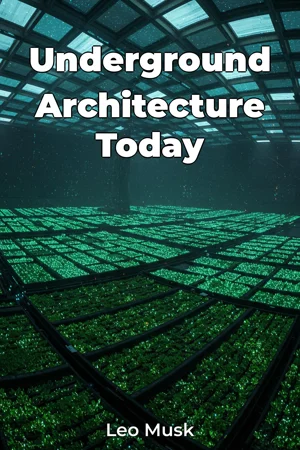
As urban landscapes become increasingly congested, is the future of architecture truly above ground, or does it lie beneath our feet? "Underground Architecture Today" delves into the burgeoning field of subterranean construction, exploring the innovative techniques, persistent challenges, and compelling potential of building below the surface. This book addresses the need for sustainable, space-efficient architectural solutions in an era of rapid urbanization and environmental consciousness. We begin by establishing a contextual understanding of underground architecture. Historically, subterranean spaces were primarily utilitarian, serving as shelters, storage facilities, or transportation tunnels. Today, however, advances in engineering, materials science, and environmental control systems have transformed these spaces into viable options for residential, commercial, and even public structures. The book elucidates how the evolution of tunneling technology, coupled with a deeper understanding of geological principles, has paved the way for more complex and ambitious underground projects. The central argument of "Underground Architecture Today" posits that subterranean construction, when approached thoughtfully and scientifically, offers a unique and increasingly necessary pathway toward sustainable urban development. It is not merely about creating more space, but about optimizing resource utilization, minimizing environmental impact, and enhancing the resilience of our cities in the face of climate change. The content unfolds in a structured manner, beginning with an introduction to the core principles of underground architecture, including site selection, geological assessment, and structural design considerations unique to subterranean environments. We then examine two key areas: the technological advancements driving innovation in this field, covering topics such as advanced excavation techniques, waterproof construction methods, and energy-efficient climate control systems; and the practical challenges associated with underground construction, including issues related to ventilation, lighting, psychological well-being of occupants, and regulatory hurdles. The book culminates in a discussion of future trends and potential applications, exploring concepts such as underground data centers, subterranean farms, and integrated underground transportation networks. The analysis presented draws upon a wide range of evidence, including geological surveys, engineering reports, case studies of existing underground structures, and analyses of energy consumption and environmental impact. Data is presented from diverse geographic locations and architectural styles, ensuring a comprehensive overview of current practices. "Underground Architecture Today" connects to several other fields, including environmental science (assessing the environmental impact of underground construction), urban planning (integrating subterranean spaces into overall city design), and psychology (understanding the effects of underground environments on human behavior). These interdisciplinary connections enrich perspective and allow for a more holistic understanding of the subject matter. This book distinguishes itself through its focus on practical application and problem-solving in existing urban environments. Rather than simply showcasing aesthetically pleasing designs, it emphasizes the technical feasibility, economic viability, and social impact of underground architecture. Written in a professional yet accessible style, "Underground Architecture Today" targets architects, engineers, urban planners, and anyone interested in sustainable development and innovative architectural solutions. It offers valuable insights into the possibilities and limitations of underground construction, providing a framework for informed decision-making and creative problem-solving. The scope of the book is intentionally broad, covering a wide range of underground construction techniques and applications. However, it does not delve into highly specialized areas such as mining or deep geological repositories. The information presented can be applied directly to the design and construction of underground structures, as well as to the development of urban planning policies that promote sustainable development. The book also addresses controversies, such as the perceived psychological impact of living and working underground, offering balanced perspectives and evidence-based recommendations for mitigating potential negative effects.
As urban landscapes become increasingly congested, is the future of architecture truly above ground, or does it lie beneath our feet? "Underground Architecture Today" delves into the burgeoning field of subterranean construction, exploring the innovative techniques, persistent challenges, and compelling potential of building below the surface. This book addresses the need for sustainable, space-efficient architectural solutions in an era of rapid urbanization and environmental consciousness. We begin by establishing a contextual understanding of underground architecture. Historically, subterranean spaces were primarily utilitarian, serving as shelters, storage facilities, or transportation tunnels. Today, however, advances in engineering, materials science, and environmental control systems have transformed these spaces into viable options for residential, commercial, and even public structures. The book elucidates how the evolution of tunneling technology, coupled with a deeper understanding of geological principles, has paved the way for more complex and ambitious underground projects. The central argument of "Underground Architecture Today" posits that subterranean construction, when approached thoughtfully and scientifically, offers a unique and increasingly necessary pathway toward sustainable urban development. It is not merely about creating more space, but about optimizing resource utilization, minimizing environmental impact, and enhancing the resilience of our cities in the face of climate change. The content unfolds in a structured manner, beginning with an introduction to the core principles of underground architecture, including site selection, geological assessment, and structural design considerations unique to subterranean environments. We then examine two key areas: the technological advancements driving innovation in this field, covering topics such as advanced excavation techniques, waterproof construction methods, and energy-efficient climate control systems; and the practical challenges associated with underground construction, including issues related to ventilation, lighting, psychological well-being of occupants, and regulatory hurdles. The book culminates in a discussion of future trends and potential applications, exploring concepts such as underground data centers, subterranean farms, and integrated underground transportation networks. The analysis presented draws upon a wide range of evidence, including geological surveys, engineering reports, case studies of existing underground structures, and analyses of energy consumption and environmental impact. Data is presented from diverse geographic locations and architectural styles, ensuring a comprehensive overview of current practices. "Underground Architecture Today" connects to several other fields, including environmental science (assessing the environmental impact of underground construction), urban planning (integrating subterranean spaces into overall city design), and psychology (understanding the effects of underground environments on human behavior). These interdisciplinary connections enrich perspective and allow for a more holistic understanding of the subject matter. This book distinguishes itself through its focus on practical application and problem-solving in existing urban environments. Rather than simply showcasing aesthetically pleasing designs, it emphasizes the technical feasibility, economic viability, and social impact of underground architecture. Written in a professional yet accessible style, "Underground Architecture Today" targets architects, engineers, urban planners, and anyone interested in sustainable development and innovative architectural solutions. It offers valuable insights into the possibilities and limitations of underground construction, providing a framework for informed decision-making and creative problem-solving. The scope of the book is intentionally broad, covering a wide range of underground construction techniques and applications. However, it does not delve into highly specialized areas such as mining or deep geological repositories. The information presented can be applied directly to the design and construction of underground structures, as well as to the development of urban planning policies that promote sustainable development. The book also addresses controversies, such as the perceived psychological impact of living and working underground, offering balanced perspectives and evidence-based recommendations for mitigating potential negative effects.
"Underground Architecture Today" explores the growing importance of subterranean construction as a solution to urban congestion and environmental concerns. It argues that building below ground offers space-efficient architecture and minimizes environmental impact. Subterranean spaces, once limited to utilitarian purposes, are now becoming viable options for residential, commercial, and public structures. Advances in tunneling technology, geological assessment, and material science are key to this evolution. The book examines the principles of underground architecture, including site selection and structural design. It delves into technological innovations like advanced excavation techniques and energy-efficient climate control. The book also addresses challenges like ventilation, lighting, and regulatory hurdles, providing a balanced view. The structured approach progresses from core principles to technological advancements and practical challenges. The book emphasizes the practical application of underground architecture in existing urban environments. It focuses on the feasibility, economic viability, and social impact of subterranean construction. It connects architecture with environmental science, urban planning, and psychology, providing a holistic understanding. The book concludes with a discussion of future trends, such as underground data centers and transportation networks.
Book Details
ISBN
9788233968656
Publisher
Publifye AS
Your Licenses
You don't own any licenses for this book
Purchase a license below to unlock this book and download the EPUB.
Purchase License
Select a tier to unlock this book
Need bulk licensing?
Contact us for enterprise agreements.