
About This Book
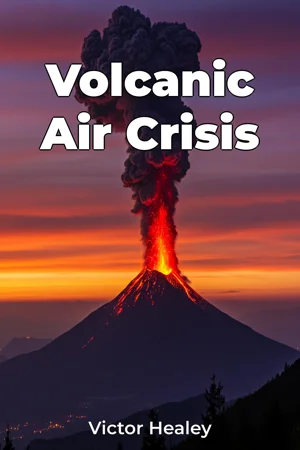
Can the history of volcanic eruptions provide critical insights into our ability to adapt to increasingly degraded air quality worldwide? "Volcanic Air Crisis" explores this very question, merging earth sciences, geography, and public health perspectives to analyze human responses to severe atmospheric pollution events. This book investigates how past populations coped with volcanic smog (vog) to inform present-day strategies for mitigating the health impacts of air pollution on a global scale. The book's central topics revolve around three key concepts: the geological characteristics of volcanic eruptions and their emission of harmful gases and particulate matter, the geographical distribution of populations vulnerable to these events, and respiratory health research demonstrating both the short-term and long-term consequences of exposure to polluted air. These topics are crucial because understanding the interplay between natural disasters and human health is essential for developing effective mitigation strategies. The growing frequency and intensity of both volcanic eruptions and anthropogenic air pollution underscore the urgent need for this interdisciplinary approach. To fully appreciate the risks and responses examined within "Volcanic Air Crisis", the reader will gain an understanding of basic volcanology, atmospheric science, and respiratory physiology. The book explains how volcanic eruptions release sulfur dioxide and particulate matter, which react in the atmosphere to form vog. The reader will also learn how the human respiratory system responds to these pollutants and the factors that influence individual susceptibility. The central argument of "Volcanic Air Crisis" is that historical and contemporary responses to volcanic air pollution offer valuable lessons for addressing the global air quality crisis. By examining the successes and failures of past mitigation efforts, we can develop more effective strategies to protect vulnerable populations from the health impacts of anthropogenic air pollution. This argument is particularly important given the escalating rates of respiratory disease globally and the disproportionate impact of air pollution on marginalized communities. The book unfolds in several stages. First, it introduces the science behind volcanic eruptions and their impact on air quality. Second, it presents case studies of past and present volcanic events, focusing on specific geographical locations like Iceland, Hawaii, and the Philippines and analyzing how local communities responded to the crisis. These chapters will examine the public health interventions implemented, the economic consequences of the eruptions, and the social adaptations that populations made to cope with the environmental changes. Third, the book synthesizes this knowledge to develop a framework for assessing vulnerability to air pollution and designing effective mitigation strategies. Finally, the final chapter will address the practical applications of the research, providing recommendations for policymakers, public health officials, and community leaders. "Volcanic Air Crisis" relies on a diverse range of evidence. It incorporates geological data on volcanic eruptions, atmospheric monitoring data on vog concentrations, and epidemiological studies on respiratory health outcomes. In addition, the book draws on historical accounts, ethnographic research, and interviews with affected communities to provide a nuanced understanding of human responses to volcanic air pollution. A unique data source is the compilation of previously disparate datasets linking specific volcanic events to documented health outcomes in nearby populations. This book has interdisciplinary connections to disaster management, environmental policy, and climate change research. Understanding how societies adapt to volcanic air pollution can inform strategies for managing other types of environmental disasters. This has implications for policy makers creating cleaner air regulations. Finally, the book's insights into the health impacts of air pollution are relevant to understanding the health risks associated with climate change-related events. "Volcanic Air Crisis" adopts a balanced tone, acknowledging the complexities of volcanic air pollution while also providing practical recommendations for improving public health. The writing style will be informative, accessible, and engaging, making the book suitable for a broad audience. The intended readership includes environmental scientists, public health professionals, policymakers, geographers, and anyone interested in learning more about the intersection of natural disasters and human health. The book provides valuable insights for those working to improve air quality and protect vulnerable populations. It adheres to the conventions of academic non-fiction, including rigorous sourcing, clear and concise writing, and a focus on evidence-based analysis. The book's scope is global, drawing on case studies from around the world to illustrate the diverse ways in which populations have responded to volcanic air pollution, highlighting the interconnected nature of our planet and the shared challenges we face in protecting human health from environmental hazards. While the primary focus is on volcanic air pollution, the book acknowledges the limitations of focusing solely on this source of air pollution and emphasizes the need to address anthropogenic sources as well. The information in "Volcanic Air Crisis" can be applied practically by readers in several ways. Public health officials can use the book's framework for assessing vulnerability to air pollution to identify at-risk populations and develop targeted interventions. Policymakers can use the book's recommendations to design more effective air quality regulations. Individuals can use the book's information to make informed decisions about protecting their health during air pollution events. The book also touches on ongoing debates within the field of public health, such as the relative importance of individual versus collective action in addressing air pollution. By presenting multiple perspectives on these debates, the book aims to stimulate critical thinking and encourage readers to engage in constructive dialogue.
Can the history of volcanic eruptions provide critical insights into our ability to adapt to increasingly degraded air quality worldwide? "Volcanic Air Crisis" explores this very question, merging earth sciences, geography, and public health perspectives to analyze human responses to severe atmospheric pollution events. This book investigates how past populations coped with volcanic smog (vog) to inform present-day strategies for mitigating the health impacts of air pollution on a global scale. The book's central topics revolve around three key concepts: the geological characteristics of volcanic eruptions and their emission of harmful gases and particulate matter, the geographical distribution of populations vulnerable to these events, and respiratory health research demonstrating both the short-term and long-term consequences of exposure to polluted air. These topics are crucial because understanding the interplay between natural disasters and human health is essential for developing effective mitigation strategies. The growing frequency and intensity of both volcanic eruptions and anthropogenic air pollution underscore the urgent need for this interdisciplinary approach. To fully appreciate the risks and responses examined within "Volcanic Air Crisis", the reader will gain an understanding of basic volcanology, atmospheric science, and respiratory physiology. The book explains how volcanic eruptions release sulfur dioxide and particulate matter, which react in the atmosphere to form vog. The reader will also learn how the human respiratory system responds to these pollutants and the factors that influence individual susceptibility. The central argument of "Volcanic Air Crisis" is that historical and contemporary responses to volcanic air pollution offer valuable lessons for addressing the global air quality crisis. By examining the successes and failures of past mitigation efforts, we can develop more effective strategies to protect vulnerable populations from the health impacts of anthropogenic air pollution. This argument is particularly important given the escalating rates of respiratory disease globally and the disproportionate impact of air pollution on marginalized communities. The book unfolds in several stages. First, it introduces the science behind volcanic eruptions and their impact on air quality. Second, it presents case studies of past and present volcanic events, focusing on specific geographical locations like Iceland, Hawaii, and the Philippines and analyzing how local communities responded to the crisis. These chapters will examine the public health interventions implemented, the economic consequences of the eruptions, and the social adaptations that populations made to cope with the environmental changes. Third, the book synthesizes this knowledge to develop a framework for assessing vulnerability to air pollution and designing effective mitigation strategies. Finally, the final chapter will address the practical applications of the research, providing recommendations for policymakers, public health officials, and community leaders. "Volcanic Air Crisis" relies on a diverse range of evidence. It incorporates geological data on volcanic eruptions, atmospheric monitoring data on vog concentrations, and epidemiological studies on respiratory health outcomes. In addition, the book draws on historical accounts, ethnographic research, and interviews with affected communities to provide a nuanced understanding of human responses to volcanic air pollution. A unique data source is the compilation of previously disparate datasets linking specific volcanic events to documented health outcomes in nearby populations. This book has interdisciplinary connections to disaster management, environmental policy, and climate change research. Understanding how societies adapt to volcanic air pollution can inform strategies for managing other types of environmental disasters. This has implications for policy makers creating cleaner air regulations. Finally, the book's insights into the health impacts of air pollution are relevant to understanding the health risks associated with climate change-related events. "Volcanic Air Crisis" adopts a balanced tone, acknowledging the complexities of volcanic air pollution while also providing practical recommendations for improving public health. The writing style will be informative, accessible, and engaging, making the book suitable for a broad audience. The intended readership includes environmental scientists, public health professionals, policymakers, geographers, and anyone interested in learning more about the intersection of natural disasters and human health. The book provides valuable insights for those working to improve air quality and protect vulnerable populations. It adheres to the conventions of academic non-fiction, including rigorous sourcing, clear and concise writing, and a focus on evidence-based analysis. The book's scope is global, drawing on case studies from around the world to illustrate the diverse ways in which populations have responded to volcanic air pollution, highlighting the interconnected nature of our planet and the shared challenges we face in protecting human health from environmental hazards. While the primary focus is on volcanic air pollution, the book acknowledges the limitations of focusing solely on this source of air pollution and emphasizes the need to address anthropogenic sources as well. The information in "Volcanic Air Crisis" can be applied practically by readers in several ways. Public health officials can use the book's framework for assessing vulnerability to air pollution to identify at-risk populations and develop targeted interventions. Policymakers can use the book's recommendations to design more effective air quality regulations. Individuals can use the book's information to make informed decisions about protecting their health during air pollution events. The book also touches on ongoing debates within the field of public health, such as the relative importance of individual versus collective action in addressing air pollution. By presenting multiple perspectives on these debates, the book aims to stimulate critical thinking and encourage readers to engage in constructive dialogue.
"Volcanic Air Crisis" examines the intersection of earth sciences, geography, and public health by exploring human responses to volcanic air pollution, or "vog". The book investigates how communities have historically coped with volcanic smog to inform strategies for mitigating the health impacts of air pollution globally. It emphasizes the urgent need for interdisciplinary approaches, especially considering the increasing frequency and intensity of both volcanic eruptions and human-caused air pollution. One intriguing fact is the disproportionate impact of air pollution on marginalized communities, a key focus within the book. The book progresses by first laying the scientific groundwork of volcanology, atmospheric science, and respiratory physiology. It then presents case studies from places like Iceland and Hawaii, analyzing community responses, public health interventions, and economic impacts. By examining past successes and failures in mitigating volcanic air pollution, the book aims to provide valuable lessons for addressing the global air quality crisis. The book highlights how volcanic eruptions release harmful substances like sulfur dioxide, forming vog, and how this impacts the respiratory system. Ultimately, "Volcanic Air Crisis" synthesizes this knowledge into a framework for assessing vulnerability to air pollution and designing effective mitigation strategies, offering recommendations for policymakers, public health officials, and community leaders. It uniquely compiles data linking specific volcanic events to documented health outcomes, making it a valuable resource for anyone interested in the relationship between natural disasters and human health.
Book Details
ISBN
9788233968557
Publisher
Publifye AS
Your Licenses
You don't own any licenses for this book
Purchase a license below to unlock this book and download the EPUB.
Purchase License
Select a tier to unlock this book
Need bulk licensing?
Contact us for enterprise agreements.