
About This Book
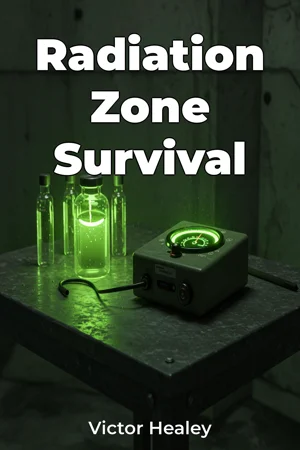
How prepared are you, and more importantly, how prepared *can* you be, should a radiological event occur? "Radiation Zone Survival" is not a guide to fictional dystopias, but a fact-based analysis of the real-world challenges and human responses to elevated radiation exposure. It synthesizes data from nuclear incident reports, medical studies, and public health guidelines to offer a comprehensive understanding of radiation’s impact on the human body and strategies for mitigating its effects. This book addresses three critical areas: the immediate physical effects of radiation exposure, the long-term health consequences, and practical steps for personal and community preparedness. These topics are vital because, despite stringent safety measures, radiological incidents remain a possibility, whether from industrial accidents, transportation mishaps, or even deliberate acts. A clear, scientifically grounded understanding empowers individuals and communities to respond effectively, reducing panic and maximizing survival chances. The context for understanding radiation exposure is rooted in the history of nuclear technology, from its use in medicine to its devastating applications in warfare and power generation. This book will provide a brief overview of basic nuclear physics, focusing on the types of radiation encountered in common incidents (alpha, beta, gamma, and neutron) and their relative penetrating power. No advanced scientific background is necessary; the explanations are tailored for a general audience. The central argument of "Radiation Zone Survival" is that informed preparation dramatically improves outcomes following a radiological event. Passivity and reliance on external aid alone are insufficient. Understanding the risks, knowing how to assess personal exposure, and having a plan for immediate action are essential for survival and long-term well-being. This book will highlight the concept of personal responsibility within the broader framework of public health safety measures. The book is structured as follows: First, it introduces the fundamentals of radiation, explaining its measurement (Sieverts, REMs), sources (natural and man-made), and biological effects (acute radiation syndrome, cancer risks). Second, it analyzes several case studies of significant radiological incidents, such as Chernobyl, Fukushima, and Goiânia, Brazil, to extract lessons learned about human behavior, emergency response effectiveness, and long-term health outcomes. Third, it outlines practical strategies for individuals and communities, including shelter-in-place procedures, decontamination techniques, potassium iodide (KI) usage, and post-event monitoring. Finally, it culminates with a discussion of the psychological impact of radiation events and strategies for building resilient communities. The evidence presented is drawn from publicly available reports from organizations like the International Atomic Energy Agency (IAEA), the World Health Organization (WHO), and national nuclear regulatory agencies. Medical studies published in peer-reviewed journals, focusing on populations exposed to radiation, provide the basis for understanding long-term health effects. In addition, the book integrates guidelines from governmental agencies on radiation safety and emergency preparedness. Interdisciplinary connections are crucial to this topic. "Radiation Zone Survival" draws from physics, biology, medicine, public health, and psychology. The physical properties of radiation dictate the mechanisms of biological damage; medical research informs our understanding of health consequences; public health principles guide preparedness and response strategies; and psychological insights help us address the mental health challenges that follow radiological events. What sets this book apart is its balanced approach, offering a blend of scientific rigor and practical guidance. It avoids sensationalism, presenting the facts clearly and accessibly, empowering readers to make informed decisions. The book promotes a proactive stance, emphasizing what individuals can do to protect themselves and their families. The tone is informative and authoritative, yet accessible. Complex scientific concepts are explained in plain language, minimizing jargon and maximizing clarity. The writing style aims to be engaging and reassuring, fostering a sense of confidence in the reader's ability to understand and apply the information. The target audience includes concerned citizens, emergency responders, public health professionals, and anyone living near nuclear facilities or transportation routes of radioactive materials. It is valuable for those seeking to understand the real risks of radiation exposure and wanting to take concrete steps to prepare for potential incidents. As a work of non-fiction within the science and public health genres, "Radiation Zone Survival" adheres to standards of accuracy, objectivity, and transparency. All sources are properly cited, and claims are supported by verifiable evidence. The book acknowledges the inherent uncertainties in predicting the exact course and consequences of radiological events, emphasizing the importance of adaptability and critical thinking. The scope of the book is limited to the effects of external radiation exposure and does not delve into the complexities of internal contamination (ingestion or inhalation of radioactive materials). It focuses primarily on civilian applications and scenarios, without addressing military uses or the potential for nuclear warfare. The real-world applications of this book are numerous. Readers will learn how to assess their risk, develop emergency plans, build a radiation preparedness kit, and understand the importance of following official guidance during and after an incident. The information can be used to educate families, communities, and workplaces, fostering a culture of radiation safety and preparedness. While there is broad scientific consensus on the basic principles of radiation biology, some debates persist regarding the long-term health effects of low-dose radiation. This book acknowledges these debates, presenting different viewpoints and highlighting areas of ongoing research. It’s important to note that this book does not offer medical advice, and readers should always consult with healthcare professionals regarding specific health concerns.
How prepared are you, and more importantly, how prepared *can* you be, should a radiological event occur? "Radiation Zone Survival" is not a guide to fictional dystopias, but a fact-based analysis of the real-world challenges and human responses to elevated radiation exposure. It synthesizes data from nuclear incident reports, medical studies, and public health guidelines to offer a comprehensive understanding of radiation’s impact on the human body and strategies for mitigating its effects. This book addresses three critical areas: the immediate physical effects of radiation exposure, the long-term health consequences, and practical steps for personal and community preparedness. These topics are vital because, despite stringent safety measures, radiological incidents remain a possibility, whether from industrial accidents, transportation mishaps, or even deliberate acts. A clear, scientifically grounded understanding empowers individuals and communities to respond effectively, reducing panic and maximizing survival chances. The context for understanding radiation exposure is rooted in the history of nuclear technology, from its use in medicine to its devastating applications in warfare and power generation. This book will provide a brief overview of basic nuclear physics, focusing on the types of radiation encountered in common incidents (alpha, beta, gamma, and neutron) and their relative penetrating power. No advanced scientific background is necessary; the explanations are tailored for a general audience. The central argument of "Radiation Zone Survival" is that informed preparation dramatically improves outcomes following a radiological event. Passivity and reliance on external aid alone are insufficient. Understanding the risks, knowing how to assess personal exposure, and having a plan for immediate action are essential for survival and long-term well-being. This book will highlight the concept of personal responsibility within the broader framework of public health safety measures. The book is structured as follows: First, it introduces the fundamentals of radiation, explaining its measurement (Sieverts, REMs), sources (natural and man-made), and biological effects (acute radiation syndrome, cancer risks). Second, it analyzes several case studies of significant radiological incidents, such as Chernobyl, Fukushima, and Goiânia, Brazil, to extract lessons learned about human behavior, emergency response effectiveness, and long-term health outcomes. Third, it outlines practical strategies for individuals and communities, including shelter-in-place procedures, decontamination techniques, potassium iodide (KI) usage, and post-event monitoring. Finally, it culminates with a discussion of the psychological impact of radiation events and strategies for building resilient communities. The evidence presented is drawn from publicly available reports from organizations like the International Atomic Energy Agency (IAEA), the World Health Organization (WHO), and national nuclear regulatory agencies. Medical studies published in peer-reviewed journals, focusing on populations exposed to radiation, provide the basis for understanding long-term health effects. In addition, the book integrates guidelines from governmental agencies on radiation safety and emergency preparedness. Interdisciplinary connections are crucial to this topic. "Radiation Zone Survival" draws from physics, biology, medicine, public health, and psychology. The physical properties of radiation dictate the mechanisms of biological damage; medical research informs our understanding of health consequences; public health principles guide preparedness and response strategies; and psychological insights help us address the mental health challenges that follow radiological events. What sets this book apart is its balanced approach, offering a blend of scientific rigor and practical guidance. It avoids sensationalism, presenting the facts clearly and accessibly, empowering readers to make informed decisions. The book promotes a proactive stance, emphasizing what individuals can do to protect themselves and their families. The tone is informative and authoritative, yet accessible. Complex scientific concepts are explained in plain language, minimizing jargon and maximizing clarity. The writing style aims to be engaging and reassuring, fostering a sense of confidence in the reader's ability to understand and apply the information. The target audience includes concerned citizens, emergency responders, public health professionals, and anyone living near nuclear facilities or transportation routes of radioactive materials. It is valuable for those seeking to understand the real risks of radiation exposure and wanting to take concrete steps to prepare for potential incidents. As a work of non-fiction within the science and public health genres, "Radiation Zone Survival" adheres to standards of accuracy, objectivity, and transparency. All sources are properly cited, and claims are supported by verifiable evidence. The book acknowledges the inherent uncertainties in predicting the exact course and consequences of radiological events, emphasizing the importance of adaptability and critical thinking. The scope of the book is limited to the effects of external radiation exposure and does not delve into the complexities of internal contamination (ingestion or inhalation of radioactive materials). It focuses primarily on civilian applications and scenarios, without addressing military uses or the potential for nuclear warfare. The real-world applications of this book are numerous. Readers will learn how to assess their risk, develop emergency plans, build a radiation preparedness kit, and understand the importance of following official guidance during and after an incident. The information can be used to educate families, communities, and workplaces, fostering a culture of radiation safety and preparedness. While there is broad scientific consensus on the basic principles of radiation biology, some debates persist regarding the long-term health effects of low-dose radiation. This book acknowledges these debates, presenting different viewpoints and highlighting areas of ongoing research. It’s important to note that this book does not offer medical advice, and readers should always consult with healthcare professionals regarding specific health concerns.
"Radiation Zone Survival" offers a fact-based exploration of how to prepare for and respond to radiological events, moving beyond fictional scenarios to address real-world challenges. It emphasizes that informed preparation is key to improving outcomes following radiation exposure, whether from industrial accidents or other incidents. The book synthesizes data from nuclear incident reports, medical studies, and public health guidelines, explaining radiation's impact and mitigation strategies. Did you know that understanding the risks, assessing personal exposure, and having an action plan are essential for survival and well-being? The book begins with the fundamentals of radiation, including its measurement and biological effects, before analyzing case studies like Chernobyl and Fukushima to extract valuable lessons about human behavior and emergency response. It then outlines shelter-in-place procedures, decontamination techniques, and potassium iodide usage, emphasizing personal responsibility within public health safety measures. "Radiation Zone Survival" uniquely balances scientific rigor with practical guidance, presenting facts clearly and accessibly to empower readers to make informed decisions. Finally, the book progresses to discuss the psychological impact of radiation events and strategies for building resilient communities. Information is drawn from organizations like the IAEA and WHO. This approach provides a comprehensive understanding of radiation exposure, promoting a proactive stance and fostering confidence in managing potential incidents.
Book Details
ISBN
9788233968540
Publisher
Publifye AS
Your Licenses
You don't own any licenses for this book
Purchase a license below to unlock this book and download the EPUB.
Purchase License
Select a tier to unlock this book
Need bulk licensing?
Contact us for enterprise agreements.