
About This Book
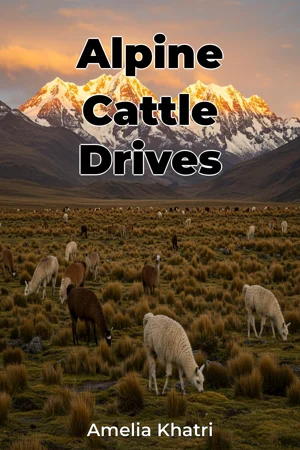
What sustains ancient traditions in a rapidly modernizing world, and how are they adapting to survive? "Alpine Cattle Drives" delves into the enduring practice of seasonal livestock movement in mountain regions across the globe, examining its historical roots, cultural significance, and present-day realities. This book explores the multifaceted world of transhumance, specifically focusing on the Alps and the Andes, revealing the intricate interplay between agricultural practices, cultural heritage, and the environment. The central argument of "Alpine Cattle Drives" asserts that transhumance, far from being a relic of the past, represents a dynamic and resilient system of land management and cultural identity that holds valuable lessons for sustainable development and biodiversity conservation in mountain ecosystems. It posits that understanding and supporting these traditional practices is crucial for preserving not only the cultural fabric of mountain communities but also the ecological integrity of these fragile environments. This book provides a comprehensive overview of seasonal livestock movements. Initially, it lays the historical and geographical foundation, tracing the origins of transhumance in the Alps and Andes. The study then moves into an in-depth analysis of the social structures, economic drivers, and ecological impacts associated with these practices. Subsequent chapters explore the specific adaptations and innovations that communities have developed in response to contemporary challenges such as climate change, land use pressures, and globalization. The culmination of the study is a comparative analysis of transhumance in the Alps and Andes, highlighting both the common threads and the unique regional variations. The evidence presented includes historical records, ethnographic studies, agricultural statistics, and ecological data. A significant component of the research involves firsthand accounts and oral histories collected through interviews with herders, farmers, and community leaders in both the Alps and Andes. This approach emphasizes the importance of local knowledge and perspectives in understanding the complexities of transhumance. "Alpine Cattle Drives" bridges the gap between several disciplines, connecting earth sciences, geography, history, and anthropology. It explores its connections to environmental science through the study of sustainable land management practices and biodiversity conservation; to economics through the analysis of traditional agricultural systems and market dynamics; and to cultural studies through the examination of the role of transhumance in shaping identity, social structures, and cultural landscapes. This book adopts a multidisciplinary approach, integrating perspectives from the natural sciences, social sciences, and humanities to provide a holistic understanding of transhumance. It emphasizes the importance of considering both the environmental and cultural dimensions of these practices, advocating for a more integrated and sustainable approach to mountain development. The intended audience includes researchers and students in earth sciences, geography, history, anthropology, and environmental studies, as well as policymakers, conservation practitioners, and anyone interested in the cultural heritage and sustainable development of mountain regions. It offers valuable insights into the complexities of human-environment interactions and the potential of traditional practices to contribute to a more sustainable future. This book focuses primarily on the Alps and the Andes, recognizing that transhumance takes diverse forms in different mountain regions around the world. While drawing comparisons and contrasts between these two regions, it acknowledges the need for further research to explore the specific characteristics of transhumance in other mountain ecosystems. The information presented in "Alpine Cattle Drives" can be applied to inform policies and practices related to land management, agricultural development, and cultural heritage preservation in mountain regions. It provides a framework for understanding the ecological and cultural value of transhumance, encouraging the development of strategies that support these practices while promoting sustainable development. The ongoing debates surrounding land use, agricultural policy, and environmental conservation in mountain regions are directly addressed in the book. It explores the potential conflicts between traditional practices and modern development, advocating for a more nuanced and participatory approach to decision-making that takes into account the needs and perspectives of local communities. "Alpine Cattle Drives" seeks to create a broader understanding of transhumance, underlining the significance of customary agricultural practices in our world.
What sustains ancient traditions in a rapidly modernizing world, and how are they adapting to survive? "Alpine Cattle Drives" delves into the enduring practice of seasonal livestock movement in mountain regions across the globe, examining its historical roots, cultural significance, and present-day realities. This book explores the multifaceted world of transhumance, specifically focusing on the Alps and the Andes, revealing the intricate interplay between agricultural practices, cultural heritage, and the environment. The central argument of "Alpine Cattle Drives" asserts that transhumance, far from being a relic of the past, represents a dynamic and resilient system of land management and cultural identity that holds valuable lessons for sustainable development and biodiversity conservation in mountain ecosystems. It posits that understanding and supporting these traditional practices is crucial for preserving not only the cultural fabric of mountain communities but also the ecological integrity of these fragile environments. This book provides a comprehensive overview of seasonal livestock movements. Initially, it lays the historical and geographical foundation, tracing the origins of transhumance in the Alps and Andes. The study then moves into an in-depth analysis of the social structures, economic drivers, and ecological impacts associated with these practices. Subsequent chapters explore the specific adaptations and innovations that communities have developed in response to contemporary challenges such as climate change, land use pressures, and globalization. The culmination of the study is a comparative analysis of transhumance in the Alps and Andes, highlighting both the common threads and the unique regional variations. The evidence presented includes historical records, ethnographic studies, agricultural statistics, and ecological data. A significant component of the research involves firsthand accounts and oral histories collected through interviews with herders, farmers, and community leaders in both the Alps and Andes. This approach emphasizes the importance of local knowledge and perspectives in understanding the complexities of transhumance. "Alpine Cattle Drives" bridges the gap between several disciplines, connecting earth sciences, geography, history, and anthropology. It explores its connections to environmental science through the study of sustainable land management practices and biodiversity conservation; to economics through the analysis of traditional agricultural systems and market dynamics; and to cultural studies through the examination of the role of transhumance in shaping identity, social structures, and cultural landscapes. This book adopts a multidisciplinary approach, integrating perspectives from the natural sciences, social sciences, and humanities to provide a holistic understanding of transhumance. It emphasizes the importance of considering both the environmental and cultural dimensions of these practices, advocating for a more integrated and sustainable approach to mountain development. The intended audience includes researchers and students in earth sciences, geography, history, anthropology, and environmental studies, as well as policymakers, conservation practitioners, and anyone interested in the cultural heritage and sustainable development of mountain regions. It offers valuable insights into the complexities of human-environment interactions and the potential of traditional practices to contribute to a more sustainable future. This book focuses primarily on the Alps and the Andes, recognizing that transhumance takes diverse forms in different mountain regions around the world. While drawing comparisons and contrasts between these two regions, it acknowledges the need for further research to explore the specific characteristics of transhumance in other mountain ecosystems. The information presented in "Alpine Cattle Drives" can be applied to inform policies and practices related to land management, agricultural development, and cultural heritage preservation in mountain regions. It provides a framework for understanding the ecological and cultural value of transhumance, encouraging the development of strategies that support these practices while promoting sustainable development. The ongoing debates surrounding land use, agricultural policy, and environmental conservation in mountain regions are directly addressed in the book. It explores the potential conflicts between traditional practices and modern development, advocating for a more nuanced and participatory approach to decision-making that takes into account the needs and perspectives of local communities. "Alpine Cattle Drives" seeks to create a broader understanding of transhumance, underlining the significance of customary agricultural practices in our world.
"Alpine Cattle Drives" explores the enduring tradition of transhumance, or seasonal livestock movement, in mountain regions, particularly the Alps and Andes. This practice, deeply rooted in history and cultural heritage, reveals intricate connections between agricultural practices and environmental sustainability. One intriguing insight is how these communities adapt to modern challenges like climate change, showcasing resilience. The book argues that understanding transhumance is vital for preserving both the cultural fabric of mountain communities and the ecological integrity of these environments, offering lessons for contemporary sustainable development and biodiversity conservation. The book takes a multidisciplinary approach, integrating earth sciences, geography, history, and anthropology to provide a holistic view. It examines social structures, economic drivers, and ecological impacts, using historical records, ethnographic studies, and firsthand accounts. By comparing transhumance in the Alps and Andes, the study highlights both common threads and unique regional variations. This detailed approach emphasizes local knowledge and advocates for integrated, sustainable mountain development.
Book Details
ISBN
9788233968274
Publisher
Publifye AS
Your Licenses
You don't own any licenses for this book
Purchase a license below to unlock this book and download the EPUB.
Purchase License
Select a tier to unlock this book
Need bulk licensing?
Contact us for enterprise agreements.