
About This Book
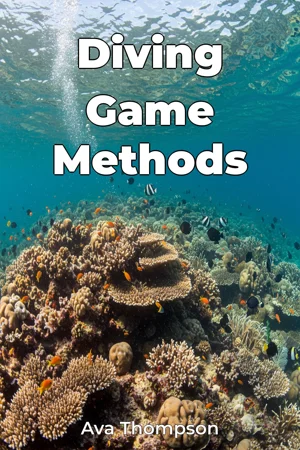
Are you ready to transform recreational diving from a simple underwater excursion to a dynamic and skill-enhancing experience? "Diving Game Methods" explores the integration of structured games and exercises into diving education, drawing upon proven training techniques adapted from swimming instruction programs. This book addresses two critical areas: enhancing diver skill proficiency and promoting enjoyment to create more confident and engaged divers. We will delve into the core principles of game-based learning in diving, providing a comprehensive guide on how to effectively use these techniques to improve buoyancy control, finning techniques, underwater navigation, and emergency response skills. These are not just abstract concepts; they are the essential building blocks of safe and competent diving practices. The book's approach is rooted in the understanding that traditional diving instruction can sometimes lack the engagement needed to fully integrate essential skills. By incorporating elements of play and competition, divers are more motivated to practice and refine their abilities. We draw upon the history of swimming instruction which has long understood the benefits of integrating games within the learning process. This approach provides a framework for instructors to create dynamic and engaging lessons that cater to various learning styles. The central argument of this book is that integrating structured games and exercises into recreational diving courses and open water dives significantly improves skill acquisition, diver retention, and overall enjoyment of the sport. This is achieved through increased engagement which improves learning outcomes and practical skill application. The book is structured to provide a clear pathway for dive professionals and recreational divers alike. Starting with an introduction to the theoretical underpinnings of game-based learning and its relevance to diving, the book will then present a series of tested game and exercise formats, categorized by skill focus. Each game will be described in detail including setup instructions, safety considerations, adaptation suggestions for varying skill levels, and learning objectives. The book culminates with guidance on how to integrate these methods into existing dive training programs and recreational dive activities. The methods presented are supported by a synthesis of existing literature on motor skill learning, educational psychology, and practical experience gathered from swimming and diving instruction programs. The book will include observational data from field tests of these methods, providing instructors with evidence of their effectiveness. This book connects to broader fields such as sports psychology, educational theory, and risk management. By understanding the psychological principles that drive motivation and learning, dive professionals can more effectively tailor their instruction methods. Integrating principles of risk management within the design of each game ensures that safety remains paramount. "Diving Game Methods" offers a unique perspective by combining established training techniques from swimming instruction with the specific demands of recreational diving. This interdisciplinary approach provides instructors and divers with innovative tools to enhance skill development in an engaging and effective manner. The tone of the book is instructional and practical, designed to be easily accessible to both experienced dive instructors and recreational divers seeking to improve their skills. The writing style is clear and concise, focusing on providing actionable information and practical guidance. The target audience includes dive instructors, dive center operators, and recreational divers who are passionate about improving their skills and enhancing their diving experience. The book will be valuable to instructors seeking to invigorate their teaching methods and improve student outcomes. As a guide within the Sports, Health & Fitness genre, specifically Health Fitness, "Diving Game Methods" provides practical strategies for physical skill enhancement which contributes to the overall health, safety, and enjoyment of the sport. The scope of the book is focused on recreational diving skills. It does not cover technical diving or commercial diving applications. The presented game methods can be adapted to many situations but should be used under supervision. The techniques detailed can be applied immediately in dive training programs, guided dives, and even personal practice sessions to reinforce key skills and improve diver confidence. While the benefits of game-based learning are widely recognized, there remains debate about the best way to implement these methods effectively. This book addresses these debates by providing a structured framework for integrating games into existing diving practices.
Are you ready to transform recreational diving from a simple underwater excursion to a dynamic and skill-enhancing experience? "Diving Game Methods" explores the integration of structured games and exercises into diving education, drawing upon proven training techniques adapted from swimming instruction programs. This book addresses two critical areas: enhancing diver skill proficiency and promoting enjoyment to create more confident and engaged divers. We will delve into the core principles of game-based learning in diving, providing a comprehensive guide on how to effectively use these techniques to improve buoyancy control, finning techniques, underwater navigation, and emergency response skills. These are not just abstract concepts; they are the essential building blocks of safe and competent diving practices. The book's approach is rooted in the understanding that traditional diving instruction can sometimes lack the engagement needed to fully integrate essential skills. By incorporating elements of play and competition, divers are more motivated to practice and refine their abilities. We draw upon the history of swimming instruction which has long understood the benefits of integrating games within the learning process. This approach provides a framework for instructors to create dynamic and engaging lessons that cater to various learning styles. The central argument of this book is that integrating structured games and exercises into recreational diving courses and open water dives significantly improves skill acquisition, diver retention, and overall enjoyment of the sport. This is achieved through increased engagement which improves learning outcomes and practical skill application. The book is structured to provide a clear pathway for dive professionals and recreational divers alike. Starting with an introduction to the theoretical underpinnings of game-based learning and its relevance to diving, the book will then present a series of tested game and exercise formats, categorized by skill focus. Each game will be described in detail including setup instructions, safety considerations, adaptation suggestions for varying skill levels, and learning objectives. The book culminates with guidance on how to integrate these methods into existing dive training programs and recreational dive activities. The methods presented are supported by a synthesis of existing literature on motor skill learning, educational psychology, and practical experience gathered from swimming and diving instruction programs. The book will include observational data from field tests of these methods, providing instructors with evidence of their effectiveness. This book connects to broader fields such as sports psychology, educational theory, and risk management. By understanding the psychological principles that drive motivation and learning, dive professionals can more effectively tailor their instruction methods. Integrating principles of risk management within the design of each game ensures that safety remains paramount. "Diving Game Methods" offers a unique perspective by combining established training techniques from swimming instruction with the specific demands of recreational diving. This interdisciplinary approach provides instructors and divers with innovative tools to enhance skill development in an engaging and effective manner. The tone of the book is instructional and practical, designed to be easily accessible to both experienced dive instructors and recreational divers seeking to improve their skills. The writing style is clear and concise, focusing on providing actionable information and practical guidance. The target audience includes dive instructors, dive center operators, and recreational divers who are passionate about improving their skills and enhancing their diving experience. The book will be valuable to instructors seeking to invigorate their teaching methods and improve student outcomes. As a guide within the Sports, Health & Fitness genre, specifically Health Fitness, "Diving Game Methods" provides practical strategies for physical skill enhancement which contributes to the overall health, safety, and enjoyment of the sport. The scope of the book is focused on recreational diving skills. It does not cover technical diving or commercial diving applications. The presented game methods can be adapted to many situations but should be used under supervision. The techniques detailed can be applied immediately in dive training programs, guided dives, and even personal practice sessions to reinforce key skills and improve diver confidence. While the benefits of game-based learning are widely recognized, there remains debate about the best way to implement these methods effectively. This book addresses these debates by providing a structured framework for integrating games into existing diving practices.
"Diving Game Methods" introduces a novel approach to diver training by integrating game-based learning, aiming to enhance both skill proficiency and enjoyment in recreational diving. The book draws from established techniques in swimming instruction to improve essential diving skills such as buoyancy control and underwater navigation. By making learning fun, divers are more motivated to practice, leading to better skill retention. The book provides a structured pathway for both dive professionals and recreational divers. It begins with the theoretical foundations of game-based learning, progresses into tested game formats categorized by skill focus, and concludes with guidance on integrating these methods into existing dive programs. Each game includes setup instructions, safety considerations, and adaptation suggestions, ensuring practical application and skill enhancement. It's worth noting that traditional diving instruction sometimes lacks the engagement needed for skill integration, a gap this book aims to fill. This guide emphasizes that integrating structured games into diving significantly improves skill acquisition, diver retention, and overall enjoyment. By combining established training techniques with the demands of recreational diving, "Diving Game Methods" offers a unique perspective and innovative tools for skill development. The book's approach is rooted in motor skill learning, educational psychology, and practical experience, making it a valuable resource for anyone looking to enhance their diving skills.
Book Details
ISBN
9788233968175
Publisher
Publifye AS
Your Licenses
You don't own any licenses for this book
Purchase a license below to unlock this book and download the EPUB.
Purchase License
Select a tier to unlock this book
Need bulk licensing?
Contact us for enterprise agreements.