
About This Book
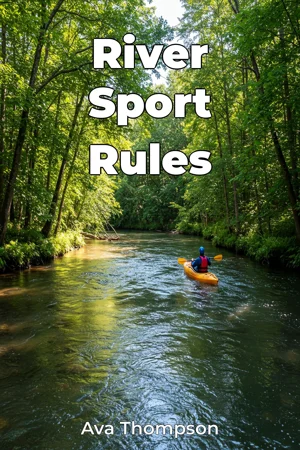
Are you prepared to navigate the exhilarating world of river sports responsibly? "River Sport Rules" provides a comprehensive guide to understanding and mitigating the inherent risks and environmental impacts associated with river-based recreational activities. This book delves into the critical intersection of safety standards and environmental guidelines, drawing upon the expertise of leading water sport organizations to equip enthusiasts and professionals alike with the knowledge necessary for safe and sustainable practices. The two central pillars of this exploration are risk management and environmental stewardship. Understanding the potential hazards of river sports – from swift currents and submerged obstacles to waterborne illnesses – is paramount. Equally important is recognizing and minimizing the ecological footprint of these activities on fragile river ecosystems. We examine how responsible participation can ensure both personal safety and the long-term health of these crucial natural resources. The historical context reveals a gradual evolution of safety protocols and environmental awareness within the river sports community. Early practices often prioritized thrill over safety, with minimal consideration for environmental consequences. Over time, organizations have developed rigorous standards driven by research, incident analysis, and a growing appreciation for ecological preservation. The book assumes a basic familiarity with common river sports like kayaking, rafting, canoeing, and paddleboarding, but no prior expertise in risk management or environmental science is required. Our core argument is that informed participation is the key to enjoying river sports sustainably and safely. This book empowers readers to make responsible choices that protect themselves, their fellow enthusiasts, and the environment. This is more than just a set of rules; it's a philosophy that emphasizes respect for the river and a commitment to best practices. The book unfolds in a structured manner. We begin by introducing fundamental concepts of risk assessment and environmental impact, followed by an in-depth look at specific safety guidelines for various river sports, each detailed with clear, actionable steps. Major sections address equipment standards, emergency procedures, and strategies for minimizing environmental harm, such as preventing pollution and protecting sensitive habitats. The culmination of the argument emphasizes the interconnectedness of safety and sustainability, proposing a framework for integrated river management. Practical applications are woven throughout, with case studies and examples that bring the concepts to life. The evidence presented relies on a multi-faceted approach, incorporating data from accident reports, scientific studies on river ecosystems, and expert opinions from leading water sport organizations. We analyze industry best practices and governmental regulations, providing a balanced perspective on the challenges and opportunities facing the river sports community. Unique data sources include incident databases maintained by national governing bodies and environmental impact assessments conducted on heavily used waterways. The book bridges several disciplines, connecting sports science with environmental science, risk management with outdoor recreation, and public health with conservation. These interdisciplinary connections highlight the complexity of issues surrounding river sports and demonstrate the need for a holistic approach. What sets this book apart is its focus on actionable knowledge. It's not just theoretical; it's a practical guide designed to be used by individuals, instructors, and organizations. The tone is informative and accessible, aiming to educate and empower readers without being overly technical or academic. The target audience encompasses a broad range of individuals, from recreational river users and outdoor enthusiasts to instructors, guides, and policymakers involved in managing river resources. This book is valuable to anyone seeking to enhance their understanding of safe and sustainable river sport practices. Grounded in the genres of sports and environment, this book provides real, practical and actionable information. The scope of the book covers a wide array of river sports and environmental considerations, but intentionally limits its focus to freshwater river environments, excluding ocean-based activities. The information in this book can be directly applied to improve safety protocols, reduce environmental impact, and promote responsible stewardship of river resources. It serves as a valuable resource for individuals seeking to enhance their skills and knowledge, as well as for organizations striving to implement best practices. The book addresses ongoing debates surrounding access rights, environmental regulations, and the balance between recreational use and ecological preservation. It presents different perspectives on these issues, encouraging readers to critically evaluate the evidence and form their own informed opinions.
Are you prepared to navigate the exhilarating world of river sports responsibly? "River Sport Rules" provides a comprehensive guide to understanding and mitigating the inherent risks and environmental impacts associated with river-based recreational activities. This book delves into the critical intersection of safety standards and environmental guidelines, drawing upon the expertise of leading water sport organizations to equip enthusiasts and professionals alike with the knowledge necessary for safe and sustainable practices. The two central pillars of this exploration are risk management and environmental stewardship. Understanding the potential hazards of river sports – from swift currents and submerged obstacles to waterborne illnesses – is paramount. Equally important is recognizing and minimizing the ecological footprint of these activities on fragile river ecosystems. We examine how responsible participation can ensure both personal safety and the long-term health of these crucial natural resources. The historical context reveals a gradual evolution of safety protocols and environmental awareness within the river sports community. Early practices often prioritized thrill over safety, with minimal consideration for environmental consequences. Over time, organizations have developed rigorous standards driven by research, incident analysis, and a growing appreciation for ecological preservation. The book assumes a basic familiarity with common river sports like kayaking, rafting, canoeing, and paddleboarding, but no prior expertise in risk management or environmental science is required. Our core argument is that informed participation is the key to enjoying river sports sustainably and safely. This book empowers readers to make responsible choices that protect themselves, their fellow enthusiasts, and the environment. This is more than just a set of rules; it's a philosophy that emphasizes respect for the river and a commitment to best practices. The book unfolds in a structured manner. We begin by introducing fundamental concepts of risk assessment and environmental impact, followed by an in-depth look at specific safety guidelines for various river sports, each detailed with clear, actionable steps. Major sections address equipment standards, emergency procedures, and strategies for minimizing environmental harm, such as preventing pollution and protecting sensitive habitats. The culmination of the argument emphasizes the interconnectedness of safety and sustainability, proposing a framework for integrated river management. Practical applications are woven throughout, with case studies and examples that bring the concepts to life. The evidence presented relies on a multi-faceted approach, incorporating data from accident reports, scientific studies on river ecosystems, and expert opinions from leading water sport organizations. We analyze industry best practices and governmental regulations, providing a balanced perspective on the challenges and opportunities facing the river sports community. Unique data sources include incident databases maintained by national governing bodies and environmental impact assessments conducted on heavily used waterways. The book bridges several disciplines, connecting sports science with environmental science, risk management with outdoor recreation, and public health with conservation. These interdisciplinary connections highlight the complexity of issues surrounding river sports and demonstrate the need for a holistic approach. What sets this book apart is its focus on actionable knowledge. It's not just theoretical; it's a practical guide designed to be used by individuals, instructors, and organizations. The tone is informative and accessible, aiming to educate and empower readers without being overly technical or academic. The target audience encompasses a broad range of individuals, from recreational river users and outdoor enthusiasts to instructors, guides, and policymakers involved in managing river resources. This book is valuable to anyone seeking to enhance their understanding of safe and sustainable river sport practices. Grounded in the genres of sports and environment, this book provides real, practical and actionable information. The scope of the book covers a wide array of river sports and environmental considerations, but intentionally limits its focus to freshwater river environments, excluding ocean-based activities. The information in this book can be directly applied to improve safety protocols, reduce environmental impact, and promote responsible stewardship of river resources. It serves as a valuable resource for individuals seeking to enhance their skills and knowledge, as well as for organizations striving to implement best practices. The book addresses ongoing debates surrounding access rights, environmental regulations, and the balance between recreational use and ecological preservation. It presents different perspectives on these issues, encouraging readers to critically evaluate the evidence and form their own informed opinions.
"River Sport Rules" offers a crucial guide to navigating the world of river sports while prioritizing both safety and environmental responsibility. It highlights how understanding risks, such as swift currents and waterborne illnesses, is as vital as minimizing the impact on delicate river ecosystems. The book showcases the evolution from thrill-seeking practices to the development of rigorous safety and environmental standards by leading organizations. This book emphasizes actionable knowledge, providing specific safety guidelines and strategies for various river sports. It begins with risk assessment and environmental impact fundamentals, progressing to equipment standards, emergency procedures, and pollution prevention. By integrating sports science with environmental science, the book demonstrates the interconnectedness of safety and sustainability, making it a valuable resource for enthusiasts, instructors, and policymakers alike.
Book Details
ISBN
9788233968151
Publisher
Publifye AS
Your Licenses
You don't own any licenses for this book
Purchase a license below to unlock this book and download the EPUB.
Purchase License
Select a tier to unlock this book
Need bulk licensing?
Contact us for enterprise agreements.