
About This Book
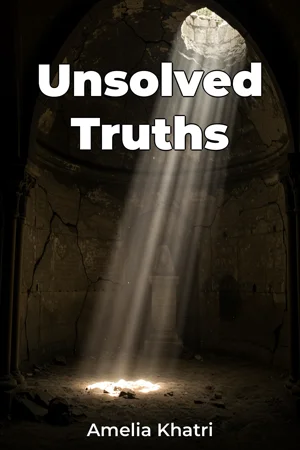
What if the stories we think we know are riddled with gaps, unanswered questions, and suppressed perspectives? "Unsolved Truths" delves into the murky depths of historical and political mysteries, exploring pivotal events and enduring controversies where definitive answers remain elusive. This exploration isn't merely about recounting familiar narratives; it's about critically examining the limitations of our knowledge and the persistent ambiguities that shape our understanding of the world. These topics are vital because they reveal the inherent fallibility of historical accounts and the ongoing struggle to reconcile conflicting narratives that underpin political ideologies. To navigate this complex terrain, the book provides essential context, acknowledging the subjective nature of historical interpretation and the influence of political agendas on shaping public perception. Readers should be aware that complete objectivity in analyzing such sensitive topics is unattainable; instead, the focus is on presenting multiple perspectives and empowering readers to form their own informed conclusions. The central argument of "Unsolved Truths" is that acknowledging and analyzing unresolved questions within history and politics is crucial for fostering critical thinking and informed civic engagement. Understanding where certainty ends and speculation begins allows for a more nuanced comprehension of current events and promotes a healthy skepticism towards dominant narratives. The book unfolds in three major sections. First, it introduces the core concepts of historical interpretation, political manipulation of information, and the psychology of belief. Second, the book explores specific case studies, such as the circumstances surrounding pivotal political assassinations and the lingering questions surrounding controversial elections. This section analyzes conflicting evidence, explores suppressed testimonies, and lays bare the inherent challenges of reconstructing definitive accounts. Third, the book culminates by examining the practical implications of living in a world where absolute truth is often unattainable. It explores how these unresolved questions impact contemporary political discourse, influence international relations, and shape public trust in institutions. The foundation of "Unsolved Truths" rests upon meticulous research, drawing from primary source documents, declassified government files, academic analyses, and investigative journalism. Whenever possible, conflicting perspectives are presented through direct quotations and documented evidence, allowing readers to assess the credibility of various claims. The book also employs forensic analysis reports wherever applicable to add a layer of scientific assessment. "Unsolved Truths" connects to several other fields of study, including sociology (examining the influence of groupthink and propaganda), psychology (understanding cognitive biases and memory distortion), and law (analyzing legal proceedings and the role of evidence). These interdisciplinary connections enrich the book's argument by providing a multifaceted understanding of the factors that contribute to unresolved mysteries. What sets this book apart is its commitment to presenting multiple perspectives without endorsing any single definitive answer. It encourages readers to grapple with ambiguity and to develop their own critical thinking skills. The book’s tone is analytical and objective, striving to present information in a balanced and accessible manner. While engaging with complex topics, the writing style remains clear and avoids jargon, making it accessible to a broad audience. The target audience includes anyone interested in history, politics, current events, and critical thinking. It will appeal to students, researchers, and general readers who seek a deeper understanding of the complexities of the world around them. The book adheres to the conventions of the history and politics genres by grounding its analysis in factual evidence and documented sources while exploring areas where those facts are still debated. The scope of the book is intentionally limited to a select number of carefully chosen case studies, allowing for in-depth analysis rather than a superficial overview. The objective is not to provide definitive answers but to highlight the inherent limitations of our knowledge and the importance of critical inquiry. The information presented in "Unsolved Truths" has real-world applications for informed decision-making, promoting healthy skepticism in the face of political rhetoric, and fostering a more nuanced understanding of complex global events. Many of the topics explored in this book are the subject of ongoing debates and controversies. By acknowledging these debates and presenting multiple viewpoints, "Unsolved Truths" aims to contribute to a more informed and productive public discourse.
What if the stories we think we know are riddled with gaps, unanswered questions, and suppressed perspectives? "Unsolved Truths" delves into the murky depths of historical and political mysteries, exploring pivotal events and enduring controversies where definitive answers remain elusive. This exploration isn't merely about recounting familiar narratives; it's about critically examining the limitations of our knowledge and the persistent ambiguities that shape our understanding of the world. These topics are vital because they reveal the inherent fallibility of historical accounts and the ongoing struggle to reconcile conflicting narratives that underpin political ideologies. To navigate this complex terrain, the book provides essential context, acknowledging the subjective nature of historical interpretation and the influence of political agendas on shaping public perception. Readers should be aware that complete objectivity in analyzing such sensitive topics is unattainable; instead, the focus is on presenting multiple perspectives and empowering readers to form their own informed conclusions. The central argument of "Unsolved Truths" is that acknowledging and analyzing unresolved questions within history and politics is crucial for fostering critical thinking and informed civic engagement. Understanding where certainty ends and speculation begins allows for a more nuanced comprehension of current events and promotes a healthy skepticism towards dominant narratives. The book unfolds in three major sections. First, it introduces the core concepts of historical interpretation, political manipulation of information, and the psychology of belief. Second, the book explores specific case studies, such as the circumstances surrounding pivotal political assassinations and the lingering questions surrounding controversial elections. This section analyzes conflicting evidence, explores suppressed testimonies, and lays bare the inherent challenges of reconstructing definitive accounts. Third, the book culminates by examining the practical implications of living in a world where absolute truth is often unattainable. It explores how these unresolved questions impact contemporary political discourse, influence international relations, and shape public trust in institutions. The foundation of "Unsolved Truths" rests upon meticulous research, drawing from primary source documents, declassified government files, academic analyses, and investigative journalism. Whenever possible, conflicting perspectives are presented through direct quotations and documented evidence, allowing readers to assess the credibility of various claims. The book also employs forensic analysis reports wherever applicable to add a layer of scientific assessment. "Unsolved Truths" connects to several other fields of study, including sociology (examining the influence of groupthink and propaganda), psychology (understanding cognitive biases and memory distortion), and law (analyzing legal proceedings and the role of evidence). These interdisciplinary connections enrich the book's argument by providing a multifaceted understanding of the factors that contribute to unresolved mysteries. What sets this book apart is its commitment to presenting multiple perspectives without endorsing any single definitive answer. It encourages readers to grapple with ambiguity and to develop their own critical thinking skills. The book’s tone is analytical and objective, striving to present information in a balanced and accessible manner. While engaging with complex topics, the writing style remains clear and avoids jargon, making it accessible to a broad audience. The target audience includes anyone interested in history, politics, current events, and critical thinking. It will appeal to students, researchers, and general readers who seek a deeper understanding of the complexities of the world around them. The book adheres to the conventions of the history and politics genres by grounding its analysis in factual evidence and documented sources while exploring areas where those facts are still debated. The scope of the book is intentionally limited to a select number of carefully chosen case studies, allowing for in-depth analysis rather than a superficial overview. The objective is not to provide definitive answers but to highlight the inherent limitations of our knowledge and the importance of critical inquiry. The information presented in "Unsolved Truths" has real-world applications for informed decision-making, promoting healthy skepticism in the face of political rhetoric, and fostering a more nuanced understanding of complex global events. Many of the topics explored in this book are the subject of ongoing debates and controversies. By acknowledging these debates and presenting multiple viewpoints, "Unsolved Truths" aims to contribute to a more informed and productive public discourse.
"Unsolved Truths" explores the persistent ambiguities within historical and political events, focusing on unresolved questions and suppressed perspectives. It delves into instances where definitive answers remain elusive, such as the lingering doubts surrounding pivotal political assassinations. The book emphasizes that acknowledging these uncertainties is vital for fostering critical thinking and informed civic engagement, allowing for a more nuanced understanding of modern history and current events. The book navigates complex topics by presenting essential context and acknowledging the subjective nature of historical interpretation. It uses meticulously researched case studies, drawing from primary sources and investigative journalism, to explore events like controversial elections, dissecting conflicting evidence without endorsing any single answer. By connecting to fields like sociology and psychology, "Unsolved Truths" encourages readers to grapple with ambiguity and develop their own informed conclusions about political manipulation and historical mysteries. The book progresses by first introducing core concepts of historical interpretation, then exploring specific case studies, and finally examining the implications of living in a world where absolute truth is often unattainable. This approach aims to promote healthy skepticism towards dominant narratives and foster a more nuanced understanding of complex global events, making it valuable for those interested in truth and historical analysis.
Book Details
ISBN
9788233967994
Publisher
Publifye AS
Your Licenses
You don't own any licenses for this book
Purchase a license below to unlock this book and download the EPUB.
Purchase License
Select a tier to unlock this book
Need bulk licensing?
Contact us for enterprise agreements.