
About This Book
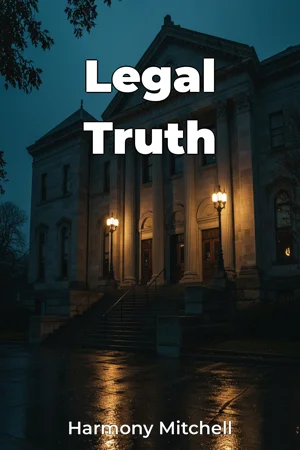
Can a legal system truly deliver justice when the very definition of "truth" is manipulable, subjective, and often elusive? *Legal Truth* delves into the complex and often unsettling ways truth is constructed, contested, and ultimately determined within the framework of law. This book is important because it reveals how easily the pursuit of justice can be derailed by flawed evidence, biased testimony, and systemic pressures, with potentially devastating consequences for individuals and society. The book examines three core areas: the nature of evidence and its interpretation, the reliability of eyewitness and expert testimony, and the systemic causes of wrongful convictions. These topics are critically relevant in an era where forensic science is often perceived as infallible, media portrayals of crime influence public opinion, and political agendas can shape legal outcomes. A basic understanding of legal processes and the fallibility of human memory will enhance the reader’s engagement with the material. The central argument of *Legal Truth* is that legal systems, despite their commitment to uncovering objective truth, frequently rely on socially constructed narratives that may bear little resemblance to actual events. This divergence between legal "truth" and factual truth undermines the legitimacy of the justice system and perpetuates inequalities. The book begins by exploring the philosophical underpinnings of truth, differentiating between objective reality and subjective perception. It investigates how evidence, often regarded as the cornerstone of legal proceedings, is subject to interpretation and manipulation. The subsequent sections focus on the complexities of testimony, dissecting the psychological factors that influence eyewitness accounts and the potential for bias in expert opinions. We analyze landmark cases and empirical studies to reveal the inherent limitations and vulnerabilities of these crucial elements of the judicial process. The book culminates by examining the systemic factors contributing to wrongful convictions, including prosecutorial misconduct, ineffective defense counsel, and racial bias. Finally, practical implications for legal reform and improved investigative practices are discussed. Supporting the arguments are case studies of wrongful convictions, analyses of forensic science methodologies, and psychological research on memory and perception. Furthermore, the book draws on legal scholarship, statistical data, and investigative reports to provide a comprehensive and evidence-based analysis. *Legal Truth* connects to several interdisciplinary fields. Firstly, psychology helps reveal the cognitive biases that affect memory and decision-making. Secondly, sociology sheds light on the social and cultural factors that influence legal narratives and outcomes. Thirdly, political science examines the ways in which power dynamics and political agendas shape legal processes. These interdisciplinary connections enhance the book’s argument by providing a more nuanced understanding of the multifaceted nature of legal truth. What sets *Legal Truth* apart is its critical examination of the legal system's inherent limitations in ascertaining truth. Instead of simply documenting instances of injustice, it challenges the very assumptions upon which legal truth is built. This book adopts a rigorous yet accessible writing style, aiming to engage a broad readership interested in law, justice, and social issues. The primary target audience includes law students, legal professionals, policymakers, and anyone interested in understanding the complexities of the justice system. This book will be valuable to them because it offers a critical perspective on the pursuit of truth in legal settings and prompts reflection on how to improve the fairness and accuracy of legal outcomes. As a work of true crime and politics, this book satisfies the genre's demand for factual accuracy, compelling narratives, and exploration of systemic issues. The book's scope is intentionally broad, covering various aspects of evidence, testimony, and systemic factors in wrongful convictions, but it does not delve into every specific area of law. For instance, while it addresses the impact of forensic science, it does not offer an exhaustive analysis of every forensic technique. The information presented has real-world applications for legal professionals seeking to improve their investigative and courtroom strategies, policymakers aiming to implement reforms to prevent wrongful convictions, and individuals seeking to better understand their rights within the legal system. *Legal Truth* engages with ongoing debates surrounding issues such as the reliability of forensic evidence, the role of eyewitness testimony, and the existence of systemic bias in the justice system. By presenting a balanced and evidence-based analysis, the book aims to contribute to a more informed and productive discussion about these critical issues.
Can a legal system truly deliver justice when the very definition of "truth" is manipulable, subjective, and often elusive? *Legal Truth* delves into the complex and often unsettling ways truth is constructed, contested, and ultimately determined within the framework of law. This book is important because it reveals how easily the pursuit of justice can be derailed by flawed evidence, biased testimony, and systemic pressures, with potentially devastating consequences for individuals and society. The book examines three core areas: the nature of evidence and its interpretation, the reliability of eyewitness and expert testimony, and the systemic causes of wrongful convictions. These topics are critically relevant in an era where forensic science is often perceived as infallible, media portrayals of crime influence public opinion, and political agendas can shape legal outcomes. A basic understanding of legal processes and the fallibility of human memory will enhance the reader’s engagement with the material. The central argument of *Legal Truth* is that legal systems, despite their commitment to uncovering objective truth, frequently rely on socially constructed narratives that may bear little resemblance to actual events. This divergence between legal "truth" and factual truth undermines the legitimacy of the justice system and perpetuates inequalities. The book begins by exploring the philosophical underpinnings of truth, differentiating between objective reality and subjective perception. It investigates how evidence, often regarded as the cornerstone of legal proceedings, is subject to interpretation and manipulation. The subsequent sections focus on the complexities of testimony, dissecting the psychological factors that influence eyewitness accounts and the potential for bias in expert opinions. We analyze landmark cases and empirical studies to reveal the inherent limitations and vulnerabilities of these crucial elements of the judicial process. The book culminates by examining the systemic factors contributing to wrongful convictions, including prosecutorial misconduct, ineffective defense counsel, and racial bias. Finally, practical implications for legal reform and improved investigative practices are discussed. Supporting the arguments are case studies of wrongful convictions, analyses of forensic science methodologies, and psychological research on memory and perception. Furthermore, the book draws on legal scholarship, statistical data, and investigative reports to provide a comprehensive and evidence-based analysis. *Legal Truth* connects to several interdisciplinary fields. Firstly, psychology helps reveal the cognitive biases that affect memory and decision-making. Secondly, sociology sheds light on the social and cultural factors that influence legal narratives and outcomes. Thirdly, political science examines the ways in which power dynamics and political agendas shape legal processes. These interdisciplinary connections enhance the book’s argument by providing a more nuanced understanding of the multifaceted nature of legal truth. What sets *Legal Truth* apart is its critical examination of the legal system's inherent limitations in ascertaining truth. Instead of simply documenting instances of injustice, it challenges the very assumptions upon which legal truth is built. This book adopts a rigorous yet accessible writing style, aiming to engage a broad readership interested in law, justice, and social issues. The primary target audience includes law students, legal professionals, policymakers, and anyone interested in understanding the complexities of the justice system. This book will be valuable to them because it offers a critical perspective on the pursuit of truth in legal settings and prompts reflection on how to improve the fairness and accuracy of legal outcomes. As a work of true crime and politics, this book satisfies the genre's demand for factual accuracy, compelling narratives, and exploration of systemic issues. The book's scope is intentionally broad, covering various aspects of evidence, testimony, and systemic factors in wrongful convictions, but it does not delve into every specific area of law. For instance, while it addresses the impact of forensic science, it does not offer an exhaustive analysis of every forensic technique. The information presented has real-world applications for legal professionals seeking to improve their investigative and courtroom strategies, policymakers aiming to implement reforms to prevent wrongful convictions, and individuals seeking to better understand their rights within the legal system. *Legal Truth* engages with ongoing debates surrounding issues such as the reliability of forensic evidence, the role of eyewitness testimony, and the existence of systemic bias in the justice system. By presenting a balanced and evidence-based analysis, the book aims to contribute to a more informed and productive discussion about these critical issues.
*Legal Truth* explores the elusive nature of "truth" within our legal and justice systems, revealing how flawed evidence, biased testimony, and political agendas can derail the pursuit of justice. It examines how legal interpretations of truth can differ drastically from actual events, undermining the system's legitimacy. For example, the book highlights how forensic science, often perceived as infallible, can be subject to interpretation. The book progresses by first exploring the philosophical basis of truth and then moves into how evidence is interpreted and sometimes manipulated. It then covers the reliability of eyewitness accounts and expert testimony, finally culminating in an examination of systemic factors contributing to wrongful convictions, such as prosecutorial misconduct. Through case studies and research, the book seeks to engage readers interested in true crime, politics, and social justice by prompting reflection on how to improve fairness and accuracy in legal outcomes.
Book Details
ISBN
9788233967932
Publisher
Publifye AS
Your Licenses
You don't own any licenses for this book
Purchase a license below to unlock this book and download the EPUB.
Purchase License
Select a tier to unlock this book
Need bulk licensing?
Contact us for enterprise agreements.