
About This Book
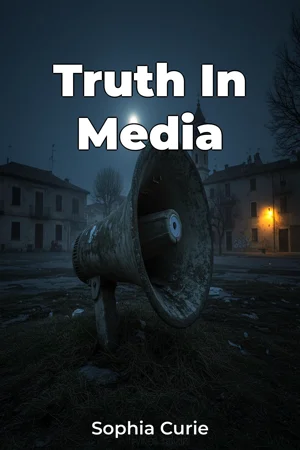
In an era defined by instant information and pervasive digital connectivity, how can we discern truth from falsehood? "Truth In Media" delves into the multifaceted ways in which news, propaganda, and misinformation shape public perception, critically examining their influence on political discourse, social movements, and individual beliefs. Understanding these dynamics is crucial for informed citizenship and the preservation of democratic values. This book explores three primary themes: the evolution of news dissemination in the digital age, the sophisticated techniques employed in modern propaganda, and the psychological factors that make individuals susceptible to misinformation. These topics are central to understanding the current media landscape and how it impacts our understanding of the world around us. Contextually, the book draws upon historical examples of propaganda and media manipulation, from the printing press revolutionizing information access to the Cold War's ideological battles. It also acknowledges the present-day challenges posed by social media algorithms, fake news websites, and state-sponsored disinformation campaigns. Readers will gain a foundational understanding of media literacy principles, cognitive biases, and the ethical considerations that guide responsible journalism. The central argument of "Truth In Media" asserts that a critical and informed public, equipped with the tools to analyze media messages, is the best defense against manipulation and the erosion of truth. This argument is vital because it emphasizes the agency of individuals in navigating the complex information ecosystem and promotes a proactive approach to media consumption. The book is structured in four parts. Part one introduces the core concepts of news, propaganda, and misinformation while outlining their historical trajectories. Part two examines how the digital age has transformed news production and consumption, focusing on the role of algorithms, social media platforms, and citizen journalism. Part three delves into the psychology of persuasion and the techniques used in propaganda, addressing topics such as framing, emotional appeals, and confirmation bias. Part four synthesizes the previous sections, presenting strategies for critical media consumption and promoting media literacy education. The culmination explores practical applications for identifying and counteracting misinformation in different contexts. "Truth In Media" relies on a diverse array of evidence, including academic research in media studies, political science, and psychology. It incorporates case studies of significant news events and propaganda campaigns. Unique data sources, such as analyses of social media trends and surveys on public trust in media, are also presented to support the book’s arguments. The book connects to several other disciplines. First, the field of psychology helps illuminate the cognitive biases that make individuals prone to believing false information. Second, the field of political science clarifies how propaganda and misinformation can be used to influence elections and shape public policy. Third, the domain of sociology helps understand how media consumption shapes group identities and social behaviors. These interdisciplinary connections enrich the book's analysis and make it relevant to a broad audience. "Truth In Media" distinguishes itself through its comprehensive approach to media literacy, combining theoretical frameworks with practical strategies for navigating the information landscape. Rather than simply decrying the problem of misinformation, the book empowers readers to become more discerning consumers of news and information. Written in an accessible yet rigorous style, "Truth In Media" is intended for students, educators, journalists, and anyone interested in understanding the power of media in the 21st century. It appeals to readers who seek a deeper understanding of current events and wish to develop critical thinking skills to evaluate information effectively. The book adheres to the conventions of non-fiction by presenting factual information, analyzing evidence, and avoiding sensationalism. The scope of "Truth In Media" is broad, encompassing various forms of media from traditional print and broadcast to digital platforms and social networks. However, it focuses primarily on the role of media in shaping public opinion and political discourse and does not delve into the technical aspects of media production. The information presented in "Truth In Media" can be applied practically by equipping readers with the tools to critically evaluate news sources, identify propaganda techniques, and resist the spread of misinformation. It also encourages readers to engage in constructive dialogue and promote media literacy within their communities. The book acknowledges ongoing debates surrounding issues such as media bias, the role of social media companies in policing content, and the effectiveness of different strategies for combating misinformation. By presenting diverse perspectives and analyzing the evidence objectively, "Truth In Media" contributes to a more informed and nuanced understanding of these complex issues.
In an era defined by instant information and pervasive digital connectivity, how can we discern truth from falsehood? "Truth In Media" delves into the multifaceted ways in which news, propaganda, and misinformation shape public perception, critically examining their influence on political discourse, social movements, and individual beliefs. Understanding these dynamics is crucial for informed citizenship and the preservation of democratic values. This book explores three primary themes: the evolution of news dissemination in the digital age, the sophisticated techniques employed in modern propaganda, and the psychological factors that make individuals susceptible to misinformation. These topics are central to understanding the current media landscape and how it impacts our understanding of the world around us. Contextually, the book draws upon historical examples of propaganda and media manipulation, from the printing press revolutionizing information access to the Cold War's ideological battles. It also acknowledges the present-day challenges posed by social media algorithms, fake news websites, and state-sponsored disinformation campaigns. Readers will gain a foundational understanding of media literacy principles, cognitive biases, and the ethical considerations that guide responsible journalism. The central argument of "Truth In Media" asserts that a critical and informed public, equipped with the tools to analyze media messages, is the best defense against manipulation and the erosion of truth. This argument is vital because it emphasizes the agency of individuals in navigating the complex information ecosystem and promotes a proactive approach to media consumption. The book is structured in four parts. Part one introduces the core concepts of news, propaganda, and misinformation while outlining their historical trajectories. Part two examines how the digital age has transformed news production and consumption, focusing on the role of algorithms, social media platforms, and citizen journalism. Part three delves into the psychology of persuasion and the techniques used in propaganda, addressing topics such as framing, emotional appeals, and confirmation bias. Part four synthesizes the previous sections, presenting strategies for critical media consumption and promoting media literacy education. The culmination explores practical applications for identifying and counteracting misinformation in different contexts. "Truth In Media" relies on a diverse array of evidence, including academic research in media studies, political science, and psychology. It incorporates case studies of significant news events and propaganda campaigns. Unique data sources, such as analyses of social media trends and surveys on public trust in media, are also presented to support the book’s arguments. The book connects to several other disciplines. First, the field of psychology helps illuminate the cognitive biases that make individuals prone to believing false information. Second, the field of political science clarifies how propaganda and misinformation can be used to influence elections and shape public policy. Third, the domain of sociology helps understand how media consumption shapes group identities and social behaviors. These interdisciplinary connections enrich the book's analysis and make it relevant to a broad audience. "Truth In Media" distinguishes itself through its comprehensive approach to media literacy, combining theoretical frameworks with practical strategies for navigating the information landscape. Rather than simply decrying the problem of misinformation, the book empowers readers to become more discerning consumers of news and information. Written in an accessible yet rigorous style, "Truth In Media" is intended for students, educators, journalists, and anyone interested in understanding the power of media in the 21st century. It appeals to readers who seek a deeper understanding of current events and wish to develop critical thinking skills to evaluate information effectively. The book adheres to the conventions of non-fiction by presenting factual information, analyzing evidence, and avoiding sensationalism. The scope of "Truth In Media" is broad, encompassing various forms of media from traditional print and broadcast to digital platforms and social networks. However, it focuses primarily on the role of media in shaping public opinion and political discourse and does not delve into the technical aspects of media production. The information presented in "Truth In Media" can be applied practically by equipping readers with the tools to critically evaluate news sources, identify propaganda techniques, and resist the spread of misinformation. It also encourages readers to engage in constructive dialogue and promote media literacy within their communities. The book acknowledges ongoing debates surrounding issues such as media bias, the role of social media companies in policing content, and the effectiveness of different strategies for combating misinformation. By presenting diverse perspectives and analyzing the evidence objectively, "Truth In Media" contributes to a more informed and nuanced understanding of these complex issues.
In today's digital age, discerning truth from falsehood is increasingly challenging. "Truth In Media" explores how news, propaganda, and misinformation shape our perceptions and influence political discourse. Understanding these dynamics is vital for informed citizenship. The book examines the evolution of news dissemination, dissects modern propaganda techniques, and explores the psychological vulnerabilities that make individuals susceptible to misinformation. Did you know that historical examples, like the Cold War's ideological battles, provide context for understanding current challenges, such as social media algorithms and fake news? "Truth In Media" argues that a critical and informed public is the best defense against media manipulation. The book begins by introducing core concepts and their historical trajectories. It progresses to examine the digital age's impact on news consumption, the psychology of persuasion, and strategies for critical consumption. By presenting both theoretical frameworks and practical strategies, "Truth In Media" empowers readers to navigate the complex information ecosystem and become more discerning consumers of news.
Book Details
ISBN
9788233967925
Publisher
Publifye AS
Your Licenses
You don't own any licenses for this book
Purchase a license below to unlock this book and download the EPUB.
Purchase License
Select a tier to unlock this book
Need bulk licensing?
Contact us for enterprise agreements.