
About This Book
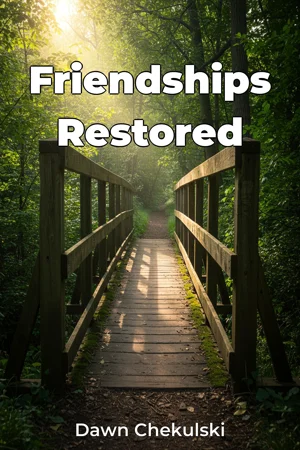
Have you ever lost a cherished friendship due to a misunderstanding, a conflict of values, or a painful betrayal? "Friendships Restored" explores the complex dynamics of fractured friendships and offers a pathway to reconciliation through understanding, empathy, and, most importantly, forgiveness. This book delves into the heart of what makes friendships susceptible to damage and provides practical strategies for rebuilding trust and restoring connection. The core of "Friendships Restored" rests on three key pillars: understanding the anatomy of friendship conflicts, the transformative power of forgiveness, and effective communication techniques for reconciliation. It is important to recognize that friendships, like all relationships, are not immune to misunderstandings, disagreements, and even severe breaches of trust. These challenges, if left unaddressed, can lead to irreparable rifts. This book acknowledges the pain and complexity of these situations while providing a framework for navigating them constructively. Forgiveness, often misunderstood as excusing harmful behavior, is presented as a crucial step in releasing resentment and opening the door to healing. Finally, the book recognizes that even with the best intentions, reconciliation can be difficult, and offers readers proven methods for expressing feelings, listening empathetically, and rebuilding trust. "Friendships Restored" is structured to guide the reader through a comprehensive process of understanding and healing. Initially, we examine the common causes of friendship conflicts, drawing upon established theories of interpersonal communication and conflict resolution. This includes exploring issues such as unmet expectations, jealousy, competition, and differing life priorities. In the subsequent sections, we analyze the psychological and emotional barriers to forgiveness, providing practical exercises to help readers confront their anger, hurt, and resentment. The book then moves into practical communication strategies, introducing techniques for initiating difficult conversations, expressing vulnerability, and setting healthy boundaries. Throughout "Friendships Restored", the arguments are supported by a combination of research-based findings, real-life case studies, and expert interviews. We draw upon research in social psychology, communication studies, and conflict resolution to provide a solid foundation for our approach. In addition, personal stories and the experiences of individuals who have successfully restored broken friendships are shared, offering relatable examples and demonstrating the potential for healing. The insights presented in "Friendships Restored" connect with several related fields, including family therapy, self-help psychology, and even business negotiation. The principles of effective communication and conflict resolution that apply to friendships are equally applicable to family relationships and professional settings. This interdisciplinary approach expands the book's relevance and provides readers with a broader understanding of human relationships. "Friendships Restored" offers a unique perspective by acknowledging the inherent value of friendship and approaching reconciliation with both empathy and pragmatism. While many self-help books focus primarily on romantic relationships, this book shines a light on the vital role friendships play in our overall well-being. The writing style is accessible and conversational, designed to create a safe and supportive space for readers to explore their own experiences with friendship conflicts. The intended audience for "Friendships Restored" includes anyone who has experienced a painful friendship breakup or is seeking to improve their communication and conflict-resolution skills. This book will be particularly valuable to individuals who value their friendships deeply and are committed to investing in their restoration. As a book belonging to both the Family Relationships and Self-Help Communication genres, it respects conventions of accessibility and actionable advice. The goal is to empower readers with the tools and knowledge they need to navigate difficult situations and build stronger, more resilient friendships. While this book aims to provide comprehensive guidance, it is important to acknowledge its limitations. "Friendships Restored" focuses primarily on conflicts that can be addressed through communication and forgiveness. It does not delve into situations involving abuse, manipulation, or other forms of irreparable harm. The information presented is intended to provide general guidance and should not be considered a substitute for professional counseling or therapy. Ultimately, "Friendships Restored" offers practical tools and actionable advice for readers seeking to mend broken bonds and rediscover the joy of true friendship. By understanding the dynamics of conflict, embracing the power of forgiveness, and mastering effective communication techniques, readers can cultivate stronger, more resilient friendships that enrich their lives.
Have you ever lost a cherished friendship due to a misunderstanding, a conflict of values, or a painful betrayal? "Friendships Restored" explores the complex dynamics of fractured friendships and offers a pathway to reconciliation through understanding, empathy, and, most importantly, forgiveness. This book delves into the heart of what makes friendships susceptible to damage and provides practical strategies for rebuilding trust and restoring connection. The core of "Friendships Restored" rests on three key pillars: understanding the anatomy of friendship conflicts, the transformative power of forgiveness, and effective communication techniques for reconciliation. It is important to recognize that friendships, like all relationships, are not immune to misunderstandings, disagreements, and even severe breaches of trust. These challenges, if left unaddressed, can lead to irreparable rifts. This book acknowledges the pain and complexity of these situations while providing a framework for navigating them constructively. Forgiveness, often misunderstood as excusing harmful behavior, is presented as a crucial step in releasing resentment and opening the door to healing. Finally, the book recognizes that even with the best intentions, reconciliation can be difficult, and offers readers proven methods for expressing feelings, listening empathetically, and rebuilding trust. "Friendships Restored" is structured to guide the reader through a comprehensive process of understanding and healing. Initially, we examine the common causes of friendship conflicts, drawing upon established theories of interpersonal communication and conflict resolution. This includes exploring issues such as unmet expectations, jealousy, competition, and differing life priorities. In the subsequent sections, we analyze the psychological and emotional barriers to forgiveness, providing practical exercises to help readers confront their anger, hurt, and resentment. The book then moves into practical communication strategies, introducing techniques for initiating difficult conversations, expressing vulnerability, and setting healthy boundaries. Throughout "Friendships Restored", the arguments are supported by a combination of research-based findings, real-life case studies, and expert interviews. We draw upon research in social psychology, communication studies, and conflict resolution to provide a solid foundation for our approach. In addition, personal stories and the experiences of individuals who have successfully restored broken friendships are shared, offering relatable examples and demonstrating the potential for healing. The insights presented in "Friendships Restored" connect with several related fields, including family therapy, self-help psychology, and even business negotiation. The principles of effective communication and conflict resolution that apply to friendships are equally applicable to family relationships and professional settings. This interdisciplinary approach expands the book's relevance and provides readers with a broader understanding of human relationships. "Friendships Restored" offers a unique perspective by acknowledging the inherent value of friendship and approaching reconciliation with both empathy and pragmatism. While many self-help books focus primarily on romantic relationships, this book shines a light on the vital role friendships play in our overall well-being. The writing style is accessible and conversational, designed to create a safe and supportive space for readers to explore their own experiences with friendship conflicts. The intended audience for "Friendships Restored" includes anyone who has experienced a painful friendship breakup or is seeking to improve their communication and conflict-resolution skills. This book will be particularly valuable to individuals who value their friendships deeply and are committed to investing in their restoration. As a book belonging to both the Family Relationships and Self-Help Communication genres, it respects conventions of accessibility and actionable advice. The goal is to empower readers with the tools and knowledge they need to navigate difficult situations and build stronger, more resilient friendships. While this book aims to provide comprehensive guidance, it is important to acknowledge its limitations. "Friendships Restored" focuses primarily on conflicts that can be addressed through communication and forgiveness. It does not delve into situations involving abuse, manipulation, or other forms of irreparable harm. The information presented is intended to provide general guidance and should not be considered a substitute for professional counseling or therapy. Ultimately, "Friendships Restored" offers practical tools and actionable advice for readers seeking to mend broken bonds and rediscover the joy of true friendship. By understanding the dynamics of conflict, embracing the power of forgiveness, and mastering effective communication techniques, readers can cultivate stronger, more resilient friendships that enrich their lives.
"Friendships Restored" offers a roadmap for navigating the complexities of broken friendships and provides actionable steps toward reconciliation. It highlights how misunderstandings, differing values, or betrayals can fracture even the strongest bonds. The book emphasizes the importance of understanding the root causes of conflict, such as unmet expectations or jealousy, and addresses the psychological barriers to forgiveness. One intriguing insight is that forgiveness isn't about excusing behavior but liberating oneself from resentment, paving the way for healing. The book champions effective communication as crucial for rebuilding trust. It guides readers through initiating difficult conversations, expressing vulnerability, and setting healthy boundaries. "Friendships Restored" progresses from examining the origins of friendship conflicts to offering practical exercises for confronting negative emotions and finally, presenting communication strategies for reconciliation. The book underscores that principles applicable to mending friendships can also enhance family relationships. Structured with research-based findings, real-life case studies, and expert interviews, "Friendships Restored" offers a unique perspective by focusing on the profound impact of friendships on our well-being. It empowers readers with tools to navigate challenging situations, fostering stronger, more resilient connections. The book uniquely balances empathy with pragmatism and provides clear guidance for those seeking to restore lost friendships.
Book Details
ISBN
9788233967734
Publisher
Publifye AS
Your Licenses
You don't own any licenses for this book
Purchase a license below to unlock this book and download the EPUB.
Purchase License
Select a tier to unlock this book
Need bulk licensing?
Contact us for enterprise agreements.