
About This Book
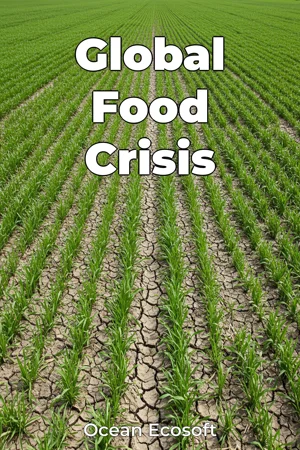
In an era of unprecedented agricultural advancements, why are millions still facing hunger? "Global Food Crisis" delves into the multifaceted causes and devastating consequences of food shortages across the world, with a particular focus on the impact on vulnerable populations. This book examines the intricate web of factors that contribute to global food insecurity, offering a comprehensive analysis of its economic, environmental, and social dimensions. Understanding the complexities of food shortages—from local disruptions to global crises—is crucial for policymakers, aid organizations, and concerned citizens alike. The book tackles three key topics. First, economic instability, including volatile commodity prices, trade imbalances, and debt burdens that disproportionately affect developing nations' ability to secure stable food supplies. Second, climate change and its direct impact on agricultural yields through droughts, floods, and altered growing seasons. Third, the role of conflict, both international and internal, which disrupts food production, displaces populations, and restricts access to humanitarian aid. To provide context, the book explores the historical roots of food systems, tracing the evolution from localized agriculture to globalized food markets and the vulnerabilities this interconnectedness introduces. Readers will gain an understanding of basic economic principles related to supply and demand, the effects of climate patterns on agriculture, and the dynamics of conflict zones. The central argument is that global food shortages are not simply isolated events, but rather are systemic problems exacerbated by interconnected economic, environmental, and political forces. Addressing this crisis requires a holistic approach that tackles the root causes and prioritizes the needs of the most vulnerable. This book will lay out the evidence to demonstrate the existing flaws and propose pathways toward resilient solutions. The book is structured in three parts. Part 1 introduces the concept of food security and the challenges currently facing the global food system. Part 2 examines the major drivers of food shortages in detail, dedicating chapters to the economic factors, the impact of climate change, and the destabilizing effects of conflict. Part 3 focuses on solutions, from policy recommendations to technological advancements and community-based initiatives. This section will culminate in an exploration of the practical implications and recommendations for individuals, organizations, and governments. The arguments presented are supported by a range of evidence, including data from international organizations such as the World Food Programme, the Food and Agriculture Organization of the United Nations, and the World Bank. It also incorporates findings from academic research in economics, environmental science, and political science, as well as case studies of specific regions and populations affected by food shortages. This book connects to other fields, including development studies, public health, and international relations. It shows how food security is linked to broader issues of poverty, health outcomes, and geopolitical stability. These connections strengthen the book's argument that addressing the food crisis requires a multidisciplinary approach. "Global Food Crisis" distinguishes itself through its integrated analysis of the multiple factors driving food shortages, offering a comprehensive and accessible account that goes beyond single-cause explanations. The book adopts a fact-based and analytical, yet still accessible, tone. The target audience includes students, policymakers, researchers, and anyone interested in understanding the complexities of global food security. It will be valuable to readers seeking a comprehensive overview of the issues and potential solutions. Aligned with the conventions of current events and economics genres, the book provides up-to-date information and analysis, presenting complex topics in a clear and engaging manner. While the book aims to provide a broad overview of the global food crisis, it acknowledges that not every region or specific food shortage can be covered in detail. The scope is intentionally limited to the major drivers and overarching trends, with selected case studies to illustrate key points. The information in this book has real-world applications for policymakers seeking to design effective food security programs, aid organizations working to alleviate hunger, and individuals who want to make informed choices about food consumption and support sustainable agriculture. The book addresses ongoing debates in the field, such as the role of genetically modified crops, the effectiveness of food aid, and the balance between national food self-sufficiency and participation in global food markets.
In an era of unprecedented agricultural advancements, why are millions still facing hunger? "Global Food Crisis" delves into the multifaceted causes and devastating consequences of food shortages across the world, with a particular focus on the impact on vulnerable populations. This book examines the intricate web of factors that contribute to global food insecurity, offering a comprehensive analysis of its economic, environmental, and social dimensions. Understanding the complexities of food shortages—from local disruptions to global crises—is crucial for policymakers, aid organizations, and concerned citizens alike. The book tackles three key topics. First, economic instability, including volatile commodity prices, trade imbalances, and debt burdens that disproportionately affect developing nations' ability to secure stable food supplies. Second, climate change and its direct impact on agricultural yields through droughts, floods, and altered growing seasons. Third, the role of conflict, both international and internal, which disrupts food production, displaces populations, and restricts access to humanitarian aid. To provide context, the book explores the historical roots of food systems, tracing the evolution from localized agriculture to globalized food markets and the vulnerabilities this interconnectedness introduces. Readers will gain an understanding of basic economic principles related to supply and demand, the effects of climate patterns on agriculture, and the dynamics of conflict zones. The central argument is that global food shortages are not simply isolated events, but rather are systemic problems exacerbated by interconnected economic, environmental, and political forces. Addressing this crisis requires a holistic approach that tackles the root causes and prioritizes the needs of the most vulnerable. This book will lay out the evidence to demonstrate the existing flaws and propose pathways toward resilient solutions. The book is structured in three parts. Part 1 introduces the concept of food security and the challenges currently facing the global food system. Part 2 examines the major drivers of food shortages in detail, dedicating chapters to the economic factors, the impact of climate change, and the destabilizing effects of conflict. Part 3 focuses on solutions, from policy recommendations to technological advancements and community-based initiatives. This section will culminate in an exploration of the practical implications and recommendations for individuals, organizations, and governments. The arguments presented are supported by a range of evidence, including data from international organizations such as the World Food Programme, the Food and Agriculture Organization of the United Nations, and the World Bank. It also incorporates findings from academic research in economics, environmental science, and political science, as well as case studies of specific regions and populations affected by food shortages. This book connects to other fields, including development studies, public health, and international relations. It shows how food security is linked to broader issues of poverty, health outcomes, and geopolitical stability. These connections strengthen the book's argument that addressing the food crisis requires a multidisciplinary approach. "Global Food Crisis" distinguishes itself through its integrated analysis of the multiple factors driving food shortages, offering a comprehensive and accessible account that goes beyond single-cause explanations. The book adopts a fact-based and analytical, yet still accessible, tone. The target audience includes students, policymakers, researchers, and anyone interested in understanding the complexities of global food security. It will be valuable to readers seeking a comprehensive overview of the issues and potential solutions. Aligned with the conventions of current events and economics genres, the book provides up-to-date information and analysis, presenting complex topics in a clear and engaging manner. While the book aims to provide a broad overview of the global food crisis, it acknowledges that not every region or specific food shortage can be covered in detail. The scope is intentionally limited to the major drivers and overarching trends, with selected case studies to illustrate key points. The information in this book has real-world applications for policymakers seeking to design effective food security programs, aid organizations working to alleviate hunger, and individuals who want to make informed choices about food consumption and support sustainable agriculture. The book addresses ongoing debates in the field, such as the role of genetically modified crops, the effectiveness of food aid, and the balance between national food self-sufficiency and participation in global food markets.
"Global Food Crisis" explores the complex web of factors causing food shortages worldwide, impacting vulnerable populations and threatening food security. It highlights how economic instability, climate change, and conflict converge to disrupt food systems, despite advancements in agriculture. The book examines the historical roots of these systems, from local farming to global markets, revealing vulnerabilities in the modern interconnected world. For example, volatile commodity prices can devastate developing nations' ability to secure stable food supplies. The book provides a comprehensive analysis by linking economic principles, climate patterns, and conflict dynamics to the crisis. It emphasizes that food shortages are systemic issues, not isolated events. The approach is to present fact-based insights that go beyond single-cause explanations of the current events. The book is structured to first introduce the challenges, then examine the major drivers such as the impact of climate change, and finally offer solutions ranging from policy recommendations to agricultural advancements. Ultimately, "Global Food Crisis" distinguishes itself by offering an integrated perspective on the multifaceted nature of food shortages, making it a valuable resource for policymakers, researchers, and anyone seeking a deeper understanding of this critical global challenge. The book references data from organizations like the World Food Programme and the Food and Agriculture Organization.
Book Details
ISBN
9788233967604
Publisher
Publifye AS
Your Licenses
You don't own any licenses for this book
Purchase a license below to unlock this book and download the EPUB.
Purchase License
Select a tier to unlock this book
Need bulk licensing?
Contact us for enterprise agreements.