
About This Book
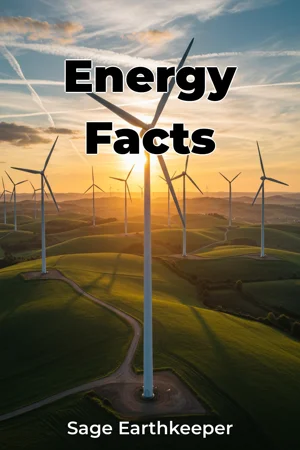
Are you ready to explore the dynamic world of energy and its profound impact on our lives? "Energy Facts" delves into the core principles and multifaceted realities of energy, presenting a comprehensive overview ranging from traditional sources like nuclear power to cutting-edge renewable technologies. This book illuminates the science, technology, and societal implications of how we generate, distribute, and utilize energy. This book primarily focuses on demystifying complex energy concepts and providing clear, factual explanations of different energy sources. We explore the physics behind nuclear fission and fusion, the mechanics of wind and solar energy conversion, and the chemistry of fossil fuel combustion. Understanding these processes is crucial for making informed decisions about our energy future. Furthermore, the book examines the environmental footprint of various energy production methods and analyzes the economic factors that influence energy markets. Historically, energy production has been a driving force behind societal development, from the industrial revolution fueled by coal to the modern era’s dependence on oil and natural gas. The book contextualizes current energy challenges--climate change, resource depletion, and energy security-- within this historical framework. Readers are introduced to foundational concepts such as thermodynamics, electromagnetism, and basic chemistry, ensuring accessibility for those without a strong science background. The central argument of "Energy Facts" is that a comprehensive understanding of energy, encompassing its scientific principles, technological applications, and socio-economic impacts, is essential for navigating the complex energy landscape of the 21st century. This understanding empowers individuals and policymakers to make informed choices that promote sustainable and equitable energy solutions. The book begins by introducing fundamental energy concepts and units of measurement. It subsequently progresses through major energy sources, dedicating chapters to fossil fuels, nuclear power, and various renewable energies such as solar, wind, hydro, geothermal, and biomass. Each chapter rigorously examines the technology involved, the energy potential, the environmental consequences, and the economic considerations. The book culminates in a discussion of energy storage solutions, grid modernization strategies, and policy options for a sustainable energy future. We address practical implications throughout, such as how energy efficiency can be improved in homes and industries and how renewable energy projects are financed and implemented. "Energy Facts" relies on peer-reviewed scientific literature, government reports, and industry data to support its arguments. Detailed case studies of specific energy projects and technologies are included to illustrate key concepts. The book incorporates data visualizations and statistical analyses to present information in a clear and accessible manner. The book integrates perspectives from physics, engineering, environmental science, economics, and political science to provide a holistic view of energy. For example, the discussion of renewable energy deployment considers both the technical feasibility and the economic viability of different technologies, as well as the policy frameworks that support their adoption. These interdisciplinary connections enhance the book’s argument by demonstrating the multifaceted nature of energy challenges and solutions. "Energy Facts" adopts a fact-based approach, presenting information objectively and avoiding advocacy for specific energy sources. The book aims to provide readers with a balanced understanding of the pros and cons of various energy options, enabling them to form their own informed opinions. The writing style is clear, concise, and accessible, catering to a broad audience. The target audience includes students, policymakers, energy professionals, and anyone interested in learning more about energy. The book is valuable for those seeking a comprehensive and unbiased overview of the energy sector. As a book in the 'Nature, Science' genres, "Energy Facts" prioritizes accuracy, clarity, and evidence-based analysis and presents complex scientific information in an accessible manner. The book provides a broad overview of the energy sector, but it does not delve into highly specialized topics such as quantum computing applications in energy or advanced materials science for solar cells. While it acknowledge that these areas are interesting and relevant, the focus is on core concepts and widely adopted technologies. The information presented can be applied to real-world situations such as evaluating energy efficiency improvements for homes or businesses, understanding the implications of energy policy decisions, and assessing the viability of renewable energy projects. The book addresses ongoing debates surrounding nuclear energy safety, the role of natural gas in the energy transition and the effectiveness of different climate change mitigation strategies. It presents different perspectives on these issues and encourages readers to critically evaluate the evidence.
Are you ready to explore the dynamic world of energy and its profound impact on our lives? "Energy Facts" delves into the core principles and multifaceted realities of energy, presenting a comprehensive overview ranging from traditional sources like nuclear power to cutting-edge renewable technologies. This book illuminates the science, technology, and societal implications of how we generate, distribute, and utilize energy. This book primarily focuses on demystifying complex energy concepts and providing clear, factual explanations of different energy sources. We explore the physics behind nuclear fission and fusion, the mechanics of wind and solar energy conversion, and the chemistry of fossil fuel combustion. Understanding these processes is crucial for making informed decisions about our energy future. Furthermore, the book examines the environmental footprint of various energy production methods and analyzes the economic factors that influence energy markets. Historically, energy production has been a driving force behind societal development, from the industrial revolution fueled by coal to the modern era’s dependence on oil and natural gas. The book contextualizes current energy challenges--climate change, resource depletion, and energy security-- within this historical framework. Readers are introduced to foundational concepts such as thermodynamics, electromagnetism, and basic chemistry, ensuring accessibility for those without a strong science background. The central argument of "Energy Facts" is that a comprehensive understanding of energy, encompassing its scientific principles, technological applications, and socio-economic impacts, is essential for navigating the complex energy landscape of the 21st century. This understanding empowers individuals and policymakers to make informed choices that promote sustainable and equitable energy solutions. The book begins by introducing fundamental energy concepts and units of measurement. It subsequently progresses through major energy sources, dedicating chapters to fossil fuels, nuclear power, and various renewable energies such as solar, wind, hydro, geothermal, and biomass. Each chapter rigorously examines the technology involved, the energy potential, the environmental consequences, and the economic considerations. The book culminates in a discussion of energy storage solutions, grid modernization strategies, and policy options for a sustainable energy future. We address practical implications throughout, such as how energy efficiency can be improved in homes and industries and how renewable energy projects are financed and implemented. "Energy Facts" relies on peer-reviewed scientific literature, government reports, and industry data to support its arguments. Detailed case studies of specific energy projects and technologies are included to illustrate key concepts. The book incorporates data visualizations and statistical analyses to present information in a clear and accessible manner. The book integrates perspectives from physics, engineering, environmental science, economics, and political science to provide a holistic view of energy. For example, the discussion of renewable energy deployment considers both the technical feasibility and the economic viability of different technologies, as well as the policy frameworks that support their adoption. These interdisciplinary connections enhance the book’s argument by demonstrating the multifaceted nature of energy challenges and solutions. "Energy Facts" adopts a fact-based approach, presenting information objectively and avoiding advocacy for specific energy sources. The book aims to provide readers with a balanced understanding of the pros and cons of various energy options, enabling them to form their own informed opinions. The writing style is clear, concise, and accessible, catering to a broad audience. The target audience includes students, policymakers, energy professionals, and anyone interested in learning more about energy. The book is valuable for those seeking a comprehensive and unbiased overview of the energy sector. As a book in the 'Nature, Science' genres, "Energy Facts" prioritizes accuracy, clarity, and evidence-based analysis and presents complex scientific information in an accessible manner. The book provides a broad overview of the energy sector, but it does not delve into highly specialized topics such as quantum computing applications in energy or advanced materials science for solar cells. While it acknowledge that these areas are interesting and relevant, the focus is on core concepts and widely adopted technologies. The information presented can be applied to real-world situations such as evaluating energy efficiency improvements for homes or businesses, understanding the implications of energy policy decisions, and assessing the viability of renewable energy projects. The book addresses ongoing debates surrounding nuclear energy safety, the role of natural gas in the energy transition and the effectiveness of different climate change mitigation strategies. It presents different perspectives on these issues and encourages readers to critically evaluate the evidence.
"Energy Facts" explores the multifaceted world of energy, from fossil fuels and nuclear power to renewable sources like solar and wind. It examines how we generate, distribute, and use energy while emphasizing the science, technology, and societal impacts involved. The book highlights intriguing facts, such as the physics behind nuclear fission and the mechanics of wind energy conversion, providing a foundation for informed decision-making about our energy future. It uniquely contextualizes current energy challenges, like climate change and resource depletion, within a historical framework, making complex concepts accessible even to those without a strong science background. The book adopts a fact-based approach, presenting information objectively and avoiding advocacy for specific energy sources. It progresses systematically, beginning with fundamental energy concepts and units, then moves through major energy sources, dedicating chapters to fossil fuels, nuclear power, and various renewable energies. Each chapter rigorously examines the technology, energy potential, environmental consequences, and economic considerations, culminating in a discussion of energy storage solutions, grid modernization strategies, and policy options for a sustainable future. This comprehensive overview is valuable for students, policymakers, energy professionals, and anyone seeking an unbiased understanding of the energy sector.
Book Details
ISBN
9788233967543
Publisher
Publifye AS
Your Licenses
You don't own any licenses for this book
Purchase a license below to unlock this book and download the EPUB.
Purchase License
Select a tier to unlock this book
Need bulk licensing?
Contact us for enterprise agreements.