
About This Book
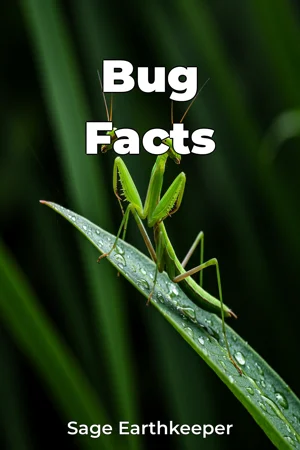
Did you know that some insects can survive being frozen solid, or that others communicate through intricate dance patterns? "Bug Facts" delves into the captivating world of insects, revealing the often-overlooked significance of these creatures in our ecosystems and daily lives. This book explores the diverse adaptations, behaviors, and ecological roles of insects, offering a comprehensive and accessible look at one of the most abundant and crucial groups of animals on Earth. Three main topics form the core of this exploration: insect biodiversity, their remarkable adaptations, and their critical roles within ecosystems. Insect biodiversity, often underestimated, is the foundation of countless food webs and ecological processes. Their peculiar adaptations, from camouflage to complex social structures, allow them to thrive in virtually every environment on the planet. Their impact on ecosystems, including pollination, decomposition, and nutrient cycling, is indispensable for maintaining ecological balance. Understanding these areas is vital for appreciating the interconnectedness of life and addressing pressing environmental challenges. "Bug Facts" argues that insects are not merely pests or nuisances, but rather essential components of healthy ecosystems. They are indicators of environmental health, vital pollinators of crops, and key players in nutrient cycling. Recognizing their importance is crucial for conservation efforts, sustainable agriculture, and overall environmental stewardship. The book unfolds in a logical progression, beginning with an introduction to insect classification and evolutionary history. It then dedicates sections to major adaptations, such as flight, metamorphosis, and specialized feeding strategies. Subsequent chapters explore insect behavior, social structures (from solitary to eusocial species), and communication methods, including pheromones, sound, and visual signals. Finally, the book examines the ecological roles of insects in various ecosystems, illustrating their impact on plant communities, soil health, and even climate regulation. The information presented draws upon a wide array of scientific literature, field studies, and expert analyses. Detailed morphological descriptions, behavioral observations, and ecological data are integrated to support the arguments. Original photographs and illustrations provide visual aids and clarify complex concepts. The text also references extensive research on insect-plant interactions, pollination ecology, and the impact of pesticides on insect populations. The study of insects naturally connects to other fields, such as agriculture, environmental science, and even human health. Insect pollination is critical for food production; understanding insect ecology is essential for developing sustainable agricultural practices. Insect-borne diseases pose significant threats to human health, highlighting the importance of entomological research in disease prevention and control. From an environmental standpoint, insects serve as bioindicators, reflecting the health of ecosystems and providing early warnings of environmental degradation. "Bug Facts" adopts a fact-based yet engaging tone, aiming to make complex scientific concepts accessible to a broad audience. While grounded in scientific rigor, the book avoids jargon and employs clear, concise language. The writing style is designed to capture the reader's curiosity and foster a deeper appreciation for the insect world. The primary target audience includes students, nature enthusiasts, gardeners, and anyone with an interest in the natural world. The book's comprehensive coverage and accessible style make it suitable for a wide range of readers, from those with limited scientific background to those seeking a more in-depth understanding of entomology. As a work of non-fiction, "Bug Facts" adheres to the conventions of accuracy, objectivity, and evidence-based arguments. Information is carefully researched and presented in a balanced and unbiased manner. While covering a broad range of topics, the book intentionally focuses on general principles and common examples, rather than delving into highly specialized or technical subject matter. The information presented is based on insects primarily found across North America and Europe, with some consideration given to species in South America, Asia and Australia. The knowledge gained from "Bug Facts" can be applied in various practical ways. Gardeners can use the information to attract beneficial insects and manage pests sustainably. Citizen scientists can contribute to insect monitoring programs. Environmental advocates can leverage the understanding of insect ecology to promote conservation efforts. The book also addresses controversies such as the impact of neonicotinoid pesticides on bee populations.
Did you know that some insects can survive being frozen solid, or that others communicate through intricate dance patterns? "Bug Facts" delves into the captivating world of insects, revealing the often-overlooked significance of these creatures in our ecosystems and daily lives. This book explores the diverse adaptations, behaviors, and ecological roles of insects, offering a comprehensive and accessible look at one of the most abundant and crucial groups of animals on Earth. Three main topics form the core of this exploration: insect biodiversity, their remarkable adaptations, and their critical roles within ecosystems. Insect biodiversity, often underestimated, is the foundation of countless food webs and ecological processes. Their peculiar adaptations, from camouflage to complex social structures, allow them to thrive in virtually every environment on the planet. Their impact on ecosystems, including pollination, decomposition, and nutrient cycling, is indispensable for maintaining ecological balance. Understanding these areas is vital for appreciating the interconnectedness of life and addressing pressing environmental challenges. "Bug Facts" argues that insects are not merely pests or nuisances, but rather essential components of healthy ecosystems. They are indicators of environmental health, vital pollinators of crops, and key players in nutrient cycling. Recognizing their importance is crucial for conservation efforts, sustainable agriculture, and overall environmental stewardship. The book unfolds in a logical progression, beginning with an introduction to insect classification and evolutionary history. It then dedicates sections to major adaptations, such as flight, metamorphosis, and specialized feeding strategies. Subsequent chapters explore insect behavior, social structures (from solitary to eusocial species), and communication methods, including pheromones, sound, and visual signals. Finally, the book examines the ecological roles of insects in various ecosystems, illustrating their impact on plant communities, soil health, and even climate regulation. The information presented draws upon a wide array of scientific literature, field studies, and expert analyses. Detailed morphological descriptions, behavioral observations, and ecological data are integrated to support the arguments. Original photographs and illustrations provide visual aids and clarify complex concepts. The text also references extensive research on insect-plant interactions, pollination ecology, and the impact of pesticides on insect populations. The study of insects naturally connects to other fields, such as agriculture, environmental science, and even human health. Insect pollination is critical for food production; understanding insect ecology is essential for developing sustainable agricultural practices. Insect-borne diseases pose significant threats to human health, highlighting the importance of entomological research in disease prevention and control. From an environmental standpoint, insects serve as bioindicators, reflecting the health of ecosystems and providing early warnings of environmental degradation. "Bug Facts" adopts a fact-based yet engaging tone, aiming to make complex scientific concepts accessible to a broad audience. While grounded in scientific rigor, the book avoids jargon and employs clear, concise language. The writing style is designed to capture the reader's curiosity and foster a deeper appreciation for the insect world. The primary target audience includes students, nature enthusiasts, gardeners, and anyone with an interest in the natural world. The book's comprehensive coverage and accessible style make it suitable for a wide range of readers, from those with limited scientific background to those seeking a more in-depth understanding of entomology. As a work of non-fiction, "Bug Facts" adheres to the conventions of accuracy, objectivity, and evidence-based arguments. Information is carefully researched and presented in a balanced and unbiased manner. While covering a broad range of topics, the book intentionally focuses on general principles and common examples, rather than delving into highly specialized or technical subject matter. The information presented is based on insects primarily found across North America and Europe, with some consideration given to species in South America, Asia and Australia. The knowledge gained from "Bug Facts" can be applied in various practical ways. Gardeners can use the information to attract beneficial insects and manage pests sustainably. Citizen scientists can contribute to insect monitoring programs. Environmental advocates can leverage the understanding of insect ecology to promote conservation efforts. The book also addresses controversies such as the impact of neonicotinoid pesticides on bee populations.
"Bug Facts" explores the fascinating world of insects, highlighting their incredible biodiversity, adaptations, and crucial roles in ecosystems. Insects, often overlooked, are essential for pollination and decomposition, maintaining ecological balance. Did you know some insects can survive being frozen, while others use complex dances to communicate? This book reveals how insects are not just pests but vital components of healthy environments, offering insights into environmental stewardship and insect conservation. The book begins with insect classification and evolutionary history, progressing through major adaptations like flight and metamorphosis. It then explores insect behavior, social structures, and communication methods. Finally, it examines their ecological roles, illustrating their impact on plant communities and soil health. "Bug Facts" uses a fact-based yet engaging tone, making complex scientific concepts accessible to a broad audience, fostering appreciation for the insect world.
Book Details
ISBN
9788233967451
Publisher
Publifye AS
Your Licenses
You don't own any licenses for this book
Purchase a license below to unlock this book and download the EPUB.
Purchase License
Select a tier to unlock this book
Need bulk licensing?
Contact us for enterprise agreements.