
About This Book
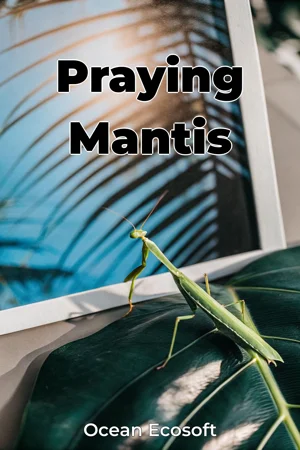
Did you know that an insect can possess the visual acuity to perceive depth with a single eye, and the predatory prowess to capture prey larger than itself? This book, "Praying Mantis," delves into the intricate biology and hunting strategies of these fascinating creatures, exploring not only their physical capabilities but also their place within the broader ecosystem. We will examine the mantis from multiple perspectives using a scientific approach and clear prose, making this book fascinating for students and curious readers alike. This book will explore three core themes: the unique sensory perception of mantises; the biomechanics of their predatory strike; and their ecological role as both predators and prey. These topics are significant because they represent key areas of evolutionary adaptation and highlight the complexity of insect behavior. Understanding these aspects provides insights into broader biological principles, such as the evolution of vision, the mechanics of movement, and the dynamics of food webs. “Praying Mantis” builds its argument upon established biological research, drawing from existing literature in entomology, neurobiology, and biomechanics. The data presented includes detailed analyses of mantis anatomy, high-speed video recordings of their predatory strikes, and experimental studies on their visual perception. Original research and synthesis of existing research will provide a balanced perspective. The central argument of this book is that the praying mantis exemplifies evolutionary optimization, showcasing a remarkable suite of adaptations that enable it to thrive as a highly specialized predator. This argument is important because it challenges conventional assumptions about insect intelligence and highlights the potential for complex behaviors to arise from relatively simple neural structures. The structure of "Praying Mantis" follows a logical progression. We begin by introducing the core concepts of mantis morphology and sensory biology, including a detailed explanation of their unique binocular vision and its implications for depth perception. Following this, we transition to the biomechanics of their predatory strike, analyzing the speed, force, and precision of their movements. This section will detail the anatomical adaptations that enable such rapid and accurate prey capture. Then, we explore the mantis’s role within its ecosystem, examining its interactions with other species and its vulnerability to predation. We will describe how the mantis’s life cycle, from egg to adult, shapes its ecological impact. Finally, we will explore the applications in robotics and engineering, drawing inspiration from mantis predatory skills. The book connects to various other fields, including robotics (for biomimicry), evolutionary biology (for understanding adaptation), and even art (for appreciating the insect's unique aesthetics). These interdisciplinary connections enhance the book's argument by demonstrating the broader relevance of mantis biology. “Praying Mantis” adopts a fact-based, accessible writing style, utilizing clear explanations and illustrative examples to convey complex scientific concepts. The book is intended for students, nature enthusiasts, and anyone interested in the wonders of the insect world. Readers do not need any specific scientific experience to understand the concepts presented, but the level of detail will also be engaging for those with a science background. The scope of this book is limited to the biology and behavior of praying mantises, specifically focusing on their hunting strategies and sensory adaptations. While we will acknowledge the diversity within the mantis family, we will not provide an exhaustive taxonomic treatment. We will not be covering in depth geographical distribution. This intentional limitation allows for a more in-depth exploration of the core themes. The information presented can be applied practically through biomimicry, inspiring the development of more efficient and adaptable robotic systems. Furthermore, understanding mantis behavior can inform pest control strategies and conservation efforts. While no significant controversies exist regarding the fundamental biology of praying mantises, debates persist about the precise mechanisms underlying their visual perception and the evolutionary pressures that have shaped their predatory behavior. This book addresses these debates by presenting current research and offering balanced interpretations.
Did you know that an insect can possess the visual acuity to perceive depth with a single eye, and the predatory prowess to capture prey larger than itself? This book, "Praying Mantis," delves into the intricate biology and hunting strategies of these fascinating creatures, exploring not only their physical capabilities but also their place within the broader ecosystem. We will examine the mantis from multiple perspectives using a scientific approach and clear prose, making this book fascinating for students and curious readers alike. This book will explore three core themes: the unique sensory perception of mantises; the biomechanics of their predatory strike; and their ecological role as both predators and prey. These topics are significant because they represent key areas of evolutionary adaptation and highlight the complexity of insect behavior. Understanding these aspects provides insights into broader biological principles, such as the evolution of vision, the mechanics of movement, and the dynamics of food webs. “Praying Mantis” builds its argument upon established biological research, drawing from existing literature in entomology, neurobiology, and biomechanics. The data presented includes detailed analyses of mantis anatomy, high-speed video recordings of their predatory strikes, and experimental studies on their visual perception. Original research and synthesis of existing research will provide a balanced perspective. The central argument of this book is that the praying mantis exemplifies evolutionary optimization, showcasing a remarkable suite of adaptations that enable it to thrive as a highly specialized predator. This argument is important because it challenges conventional assumptions about insect intelligence and highlights the potential for complex behaviors to arise from relatively simple neural structures. The structure of "Praying Mantis" follows a logical progression. We begin by introducing the core concepts of mantis morphology and sensory biology, including a detailed explanation of their unique binocular vision and its implications for depth perception. Following this, we transition to the biomechanics of their predatory strike, analyzing the speed, force, and precision of their movements. This section will detail the anatomical adaptations that enable such rapid and accurate prey capture. Then, we explore the mantis’s role within its ecosystem, examining its interactions with other species and its vulnerability to predation. We will describe how the mantis’s life cycle, from egg to adult, shapes its ecological impact. Finally, we will explore the applications in robotics and engineering, drawing inspiration from mantis predatory skills. The book connects to various other fields, including robotics (for biomimicry), evolutionary biology (for understanding adaptation), and even art (for appreciating the insect's unique aesthetics). These interdisciplinary connections enhance the book's argument by demonstrating the broader relevance of mantis biology. “Praying Mantis” adopts a fact-based, accessible writing style, utilizing clear explanations and illustrative examples to convey complex scientific concepts. The book is intended for students, nature enthusiasts, and anyone interested in the wonders of the insect world. Readers do not need any specific scientific experience to understand the concepts presented, but the level of detail will also be engaging for those with a science background. The scope of this book is limited to the biology and behavior of praying mantises, specifically focusing on their hunting strategies and sensory adaptations. While we will acknowledge the diversity within the mantis family, we will not provide an exhaustive taxonomic treatment. We will not be covering in depth geographical distribution. This intentional limitation allows for a more in-depth exploration of the core themes. The information presented can be applied practically through biomimicry, inspiring the development of more efficient and adaptable robotic systems. Furthermore, understanding mantis behavior can inform pest control strategies and conservation efforts. While no significant controversies exist regarding the fundamental biology of praying mantises, debates persist about the precise mechanisms underlying their visual perception and the evolutionary pressures that have shaped their predatory behavior. This book addresses these debates by presenting current research and offering balanced interpretations.
"Praying Mantis" explores the fascinating world of these insects, revealing how their unique sensory perception and predatory behavior make them evolutionary marvels. The book dives into the insect biology of mantises, highlighting their hunting strategies and adaptations. Discover how mantises can perceive depth with a single eye and capture prey much larger than themselves, showcasing the complexity of insect vision and predator-prey relationships. The book examines three core themes: sensory perception, biomechanics, and ecological role, presenting data from anatomy analyses, high-speed video, and experimental studies. It builds its argument upon established biological research in entomology, neurobiology, and biomechanics. Beginning with morphology and sensory biology, the book progresses to the biomechanics of the mantis's predatory strike and its role within the ecosystem. Readers will gain insights into evolutionary adaptation and the intricate dance between predator and prey. This book emphasizes the mantis as an example of evolutionary optimization, perfect for students, nature enthusiasts, and anyone curious about the insect world. The book’s approach is fact-based and accessible, making complex concepts understandable through clear explanations and examples. The book also touches on applications in robotics and engineering, drawing inspiration from mantis predatory skills.
Book Details
ISBN
9788233967260
Publisher
Publifye AS
Your Licenses
You don't own any licenses for this book
Purchase a license below to unlock this book and download the EPUB.
Purchase License
Select a tier to unlock this book
Need bulk licensing?
Contact us for enterprise agreements.