
About This Book
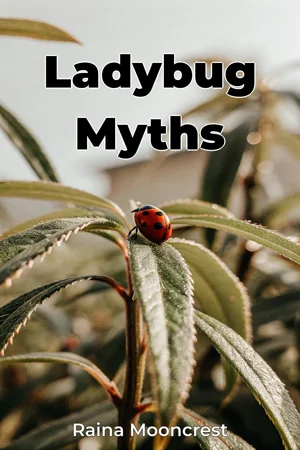
Did you know that the seemingly docile ladybug harbors a complex arsenal of defense mechanisms and plays a pivotal role in maintaining ecological balance? "Ladybug Myths" delves into the fascinating world of these ubiquitous insects, dispelling common misconceptions and revealing the intricate science behind their survival and impact on our environment. We will explore their defensive strategies, including chemical defenses and aposematic coloration, and examine their significant contribution to pest control in agriculture and natural ecosystems. This examination is crucial because understanding ladybugs extends beyond simple appreciation. Their effectiveness as biological control agents has profound implications for sustainable agriculture and reducing reliance on harmful pesticides. Furthermore, comprehending their intricate defense mechanisms provides valuable insights into evolutionary biology and chemical ecology. Our investigation unfolds against a backdrop of increasing environmental awareness and the urgent need for sustainable agricultural practices. While ladybugs have long been recognized as beneficial insects, their biology and ecological role are often oversimplified or misunderstood. This book addresses these gaps in knowledge by providing a comprehensive and scientifically accurate account of these creatures. The central argument of "Ladybug Myths" is that a deeper understanding of ladybugs' biology and behavior is essential for maximizing their effectiveness as biological control agents and for appreciating their ecological significance. This understanding allows for more informed conservation efforts and more effective integration of ladybugs into sustainable agricultural practices. The book begins by introducing the diversity of ladybug species, their life cycles, and habitat preferences. We then delve into their defense mechanisms, exploring the production and composition of their defensive chemicals, known as alkaloids, and the role of their bright coloration in warning potential predators. Following this, we examine their predatory behavior, focusing on their prey preferences, foraging strategies, and impact on pest populations. The book culminates with a discussion of the practical applications of ladybugs in biological control, including strategies for attracting and conserving them in agricultural settings. Our analysis relies on a synthesis of existing scientific literature, original research findings, and field observations. We draw upon data from entomological studies, chemical analyses of ladybug secretions, and ecological surveys of agricultural landscapes. This multi-faceted approach provides a robust and comprehensive understanding of ladybug biology and their ecological role. "Ladybug Myths" connects to several other fields of study, including chemical ecology, evolutionary biology, and sustainable agriculture. Chemical ecology provides insights into the chemical interactions between ladybugs and their environment, while evolutionary biology sheds light on the development of their defense mechanisms. Sustainable agriculture benefits directly from the application of ladybug-based pest control strategies. This book distinguishes itself by providing a comprehensive and scientifically rigorous examination of ladybug biology, behavior, and ecological role. Unlike many popular accounts of ladybugs, it avoids anecdotal evidence and relies on peer-reviewed scientific research to support its claims. It adopts an accessible yet informative tone, making complex scientific concepts understandable to a broad audience. The target audience includes students, researchers, gardeners, farmers, and anyone interested in learning more about the natural world. The book offers valuable insights for those seeking to understand the ecological role of insects and the principles of sustainable agriculture. As a non-fiction science book, "Ladybug Myths" adheres to the conventions of accuracy, objectivity, and evidence-based reasoning. It presents information in a clear and concise manner, using illustrations and diagrams to enhance understanding. While this book provides a broad overview of ladybug biology and their role in pest control, it does not delve into the specific details of all ladybug species or all agricultural systems. The focus is on providing a general framework for understanding the ecological significance of ladybugs and their potential for sustainable pest management. The information presented in "Ladybug Myths" can be applied practically by readers interested in attracting ladybugs to their gardens, implementing ladybug-based pest control strategies on their farms, or simply gaining a deeper appreciation for the natural world. Currently, there are debates surrounding the effectiveness of certain ladybug species as biological control agents and best practices for their conservation. The book addresses these debates by presenting the latest scientific evidence and offering balanced perspectives on these complex issues.
Did you know that the seemingly docile ladybug harbors a complex arsenal of defense mechanisms and plays a pivotal role in maintaining ecological balance? "Ladybug Myths" delves into the fascinating world of these ubiquitous insects, dispelling common misconceptions and revealing the intricate science behind their survival and impact on our environment. We will explore their defensive strategies, including chemical defenses and aposematic coloration, and examine their significant contribution to pest control in agriculture and natural ecosystems. This examination is crucial because understanding ladybugs extends beyond simple appreciation. Their effectiveness as biological control agents has profound implications for sustainable agriculture and reducing reliance on harmful pesticides. Furthermore, comprehending their intricate defense mechanisms provides valuable insights into evolutionary biology and chemical ecology. Our investigation unfolds against a backdrop of increasing environmental awareness and the urgent need for sustainable agricultural practices. While ladybugs have long been recognized as beneficial insects, their biology and ecological role are often oversimplified or misunderstood. This book addresses these gaps in knowledge by providing a comprehensive and scientifically accurate account of these creatures. The central argument of "Ladybug Myths" is that a deeper understanding of ladybugs' biology and behavior is essential for maximizing their effectiveness as biological control agents and for appreciating their ecological significance. This understanding allows for more informed conservation efforts and more effective integration of ladybugs into sustainable agricultural practices. The book begins by introducing the diversity of ladybug species, their life cycles, and habitat preferences. We then delve into their defense mechanisms, exploring the production and composition of their defensive chemicals, known as alkaloids, and the role of their bright coloration in warning potential predators. Following this, we examine their predatory behavior, focusing on their prey preferences, foraging strategies, and impact on pest populations. The book culminates with a discussion of the practical applications of ladybugs in biological control, including strategies for attracting and conserving them in agricultural settings. Our analysis relies on a synthesis of existing scientific literature, original research findings, and field observations. We draw upon data from entomological studies, chemical analyses of ladybug secretions, and ecological surveys of agricultural landscapes. This multi-faceted approach provides a robust and comprehensive understanding of ladybug biology and their ecological role. "Ladybug Myths" connects to several other fields of study, including chemical ecology, evolutionary biology, and sustainable agriculture. Chemical ecology provides insights into the chemical interactions between ladybugs and their environment, while evolutionary biology sheds light on the development of their defense mechanisms. Sustainable agriculture benefits directly from the application of ladybug-based pest control strategies. This book distinguishes itself by providing a comprehensive and scientifically rigorous examination of ladybug biology, behavior, and ecological role. Unlike many popular accounts of ladybugs, it avoids anecdotal evidence and relies on peer-reviewed scientific research to support its claims. It adopts an accessible yet informative tone, making complex scientific concepts understandable to a broad audience. The target audience includes students, researchers, gardeners, farmers, and anyone interested in learning more about the natural world. The book offers valuable insights for those seeking to understand the ecological role of insects and the principles of sustainable agriculture. As a non-fiction science book, "Ladybug Myths" adheres to the conventions of accuracy, objectivity, and evidence-based reasoning. It presents information in a clear and concise manner, using illustrations and diagrams to enhance understanding. While this book provides a broad overview of ladybug biology and their role in pest control, it does not delve into the specific details of all ladybug species or all agricultural systems. The focus is on providing a general framework for understanding the ecological significance of ladybugs and their potential for sustainable pest management. The information presented in "Ladybug Myths" can be applied practically by readers interested in attracting ladybugs to their gardens, implementing ladybug-based pest control strategies on their farms, or simply gaining a deeper appreciation for the natural world. Currently, there are debates surrounding the effectiveness of certain ladybug species as biological control agents and best practices for their conservation. The book addresses these debates by presenting the latest scientific evidence and offering balanced perspectives on these complex issues.
"Ladybug Myths" explores the often misunderstood world of ladybugs, revealing their complex biology and ecological importance. It emphasizes their significance as biological control agents in sustainable agriculture, challenging common misconceptions about these beneficial insects. Did you know that ladybugs possess sophisticated defense mechanisms, including the production of alkaloids, and utilize aposematic coloration to warn predators? The book investigates these fascinating aspects of their survival, connecting chemical ecology and evolutionary biology to their role in agricultural landscapes. The book progresses from an introduction to ladybug diversity and life cycles to an in-depth analysis of their defense mechanisms and predatory behavior. It culminates in a discussion of their practical applications in pest control, highlighting strategies for attracting and conserving them. Unlike many popular accounts, this book relies on scientific research, making it a valuable resource for students, researchers, and anyone interested in nature and entomology.
Book Details
ISBN
9788233967208
Publisher
Publifye AS
Your Licenses
You don't own any licenses for this book
Purchase a license below to unlock this book and download the EPUB.
Purchase License
Select a tier to unlock this book
Need bulk licensing?
Contact us for enterprise agreements.