
About This Book
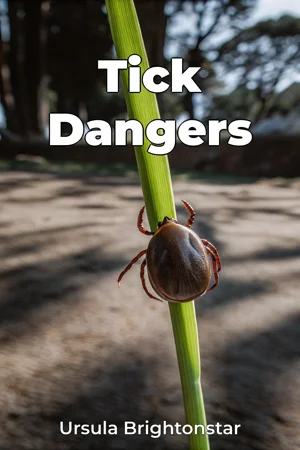
Are you aware that a creature smaller than your fingernail could potentially cause debilitating, long-term illness? This book, *Tick Dangers*, provides a comprehensive exploration of ticks, the diseases they carry, and the vital steps you can take to protect yourself and your loved ones. We delve into the biology of these often-overlooked arachnids, their role as disease vectors, and the ecology that supports their existence and spread. The increasing prevalence of tick-borne diseases, coupled with expanding tick habitats, makes this information more critical than ever. This book argues that understanding the multifaceted nature of tick-borne illness risks is paramount for effective prevention and management. Too often, protective measures are inconsistently applied, and early symptoms are dismissed, leading to delayed diagnoses and potentially chronic health problems. We aim to empower readers with the knowledge necessary to make informed decisions about personal and environmental safety. The book begins with an introduction to the world of ticks: their classification, life cycle, and the various species found across different geographical regions. This background is crucial for understanding their behavior and the environments where they thrive. We dedicate considerable space to the major diseases transmitted by ticks, such as Lyme disease, Rocky Mountain spotted fever, and ehrlichiosis, detailing their symptoms, diagnostic challenges, and current treatment protocols. A key chapter focuses on the ecological factors influencing tick populations, including climate change, habitat fragmentation, and the role of various animal hosts. This section clarifies how human activities contribute to the changing landscape of tick-borne illnesses. The book culminates with a practical guide to prevention, covering topics such as personal protective measures (clothing, repellents), landscape management strategies for reducing tick habitats, and current research into vaccines and novel control methods. Throughout the book, we present evidence drawn from scientific literature, epidemiological studies, and expert opinions in the fields of entomology, infectious diseases, and public health. Real-world case studies illustrate the diverse ways individuals encounter ticks and the consequences of infection. We also analyze data from the Centers for Disease Control and Prevention (CDC) and other public health organizations to highlight the trends and geographic distribution of tick-borne diseases. *Tick Dangers* draws connections between several disciplines. Biology is central to understanding tick physiology and disease transmission. Ecology informs our understanding of tick habitats and population dynamics. Public health provides the framework for prevention and control strategies. The book’s perspective is informed by these interdisciplinary links to provide a better understanding of the risks. Our approach is to synthesize complex scientific information into an accessible and actionable format. We avoid technical jargon where possible and provide clear explanations of key concepts. The writing style is informative and engaging, designed to capture the reader's attention while conveying essential facts. The target audience includes outdoor enthusiasts, homeowners, parents, healthcare professionals, and anyone concerned about the growing threat of tick-borne illnesses. The book serves as a valuable resource for understanding the risks and taking proactive steps to protect themselves and their communities. As a non-fiction work in the science and health genres, this book provides comprehensively researched information with the goal of educating and empowering readers. The scope of the book is limited to ticks and the diseases they transmit, with a focus on North America; however, we acknowledge that many of the principles discussed are applicable to other regions of the world. We do not delve into other vector-borne illnesses in detail. This focused approach allows for a more thorough exploration of the specific challenges posed by ticks. The information within this book can be directly applied to daily life. Readers will learn how to create tick-safe zones around their homes, how to properly apply insect repellents, and what to do if they find a tick attached to their skin. Furthermore, they will gain a better understanding of the symptoms of tick-borne diseases, enabling them to seek prompt medical attention when necessary. While this book presents the best available scientific evidence, it also acknowledges the ongoing debates surrounding the diagnosis and treatment of certain tick-borne illnesses, such as chronic Lyme disease. We present different perspectives on these controversies, encouraging readers to critically evaluate the available information and consult with healthcare professionals to determine the best course of action.
Are you aware that a creature smaller than your fingernail could potentially cause debilitating, long-term illness? This book, *Tick Dangers*, provides a comprehensive exploration of ticks, the diseases they carry, and the vital steps you can take to protect yourself and your loved ones. We delve into the biology of these often-overlooked arachnids, their role as disease vectors, and the ecology that supports their existence and spread. The increasing prevalence of tick-borne diseases, coupled with expanding tick habitats, makes this information more critical than ever. This book argues that understanding the multifaceted nature of tick-borne illness risks is paramount for effective prevention and management. Too often, protective measures are inconsistently applied, and early symptoms are dismissed, leading to delayed diagnoses and potentially chronic health problems. We aim to empower readers with the knowledge necessary to make informed decisions about personal and environmental safety. The book begins with an introduction to the world of ticks: their classification, life cycle, and the various species found across different geographical regions. This background is crucial for understanding their behavior and the environments where they thrive. We dedicate considerable space to the major diseases transmitted by ticks, such as Lyme disease, Rocky Mountain spotted fever, and ehrlichiosis, detailing their symptoms, diagnostic challenges, and current treatment protocols. A key chapter focuses on the ecological factors influencing tick populations, including climate change, habitat fragmentation, and the role of various animal hosts. This section clarifies how human activities contribute to the changing landscape of tick-borne illnesses. The book culminates with a practical guide to prevention, covering topics such as personal protective measures (clothing, repellents), landscape management strategies for reducing tick habitats, and current research into vaccines and novel control methods. Throughout the book, we present evidence drawn from scientific literature, epidemiological studies, and expert opinions in the fields of entomology, infectious diseases, and public health. Real-world case studies illustrate the diverse ways individuals encounter ticks and the consequences of infection. We also analyze data from the Centers for Disease Control and Prevention (CDC) and other public health organizations to highlight the trends and geographic distribution of tick-borne diseases. *Tick Dangers* draws connections between several disciplines. Biology is central to understanding tick physiology and disease transmission. Ecology informs our understanding of tick habitats and population dynamics. Public health provides the framework for prevention and control strategies. The book’s perspective is informed by these interdisciplinary links to provide a better understanding of the risks. Our approach is to synthesize complex scientific information into an accessible and actionable format. We avoid technical jargon where possible and provide clear explanations of key concepts. The writing style is informative and engaging, designed to capture the reader's attention while conveying essential facts. The target audience includes outdoor enthusiasts, homeowners, parents, healthcare professionals, and anyone concerned about the growing threat of tick-borne illnesses. The book serves as a valuable resource for understanding the risks and taking proactive steps to protect themselves and their communities. As a non-fiction work in the science and health genres, this book provides comprehensively researched information with the goal of educating and empowering readers. The scope of the book is limited to ticks and the diseases they transmit, with a focus on North America; however, we acknowledge that many of the principles discussed are applicable to other regions of the world. We do not delve into other vector-borne illnesses in detail. This focused approach allows for a more thorough exploration of the specific challenges posed by ticks. The information within this book can be directly applied to daily life. Readers will learn how to create tick-safe zones around their homes, how to properly apply insect repellents, and what to do if they find a tick attached to their skin. Furthermore, they will gain a better understanding of the symptoms of tick-borne diseases, enabling them to seek prompt medical attention when necessary. While this book presents the best available scientific evidence, it also acknowledges the ongoing debates surrounding the diagnosis and treatment of certain tick-borne illnesses, such as chronic Lyme disease. We present different perspectives on these controversies, encouraging readers to critically evaluate the available information and consult with healthcare professionals to determine the best course of action.
"Tick Dangers" offers a comprehensive exploration of ticks, tick-borne diseases, and effective prevention strategies. It emphasizes the increasing threat these tiny creatures pose, detailing their biology, role as disease vectors, and the ecology that supports their spread. The book highlights the importance of understanding tick-borne illnesses for timely intervention, as inconsistent protective measures and dismissed early symptoms often lead to chronic health issues. Did you know that climate change and habitat fragmentation are contributing to the expansion of tick populations? The book begins by introducing ticks, covering their classification, life cycle, and habitats, before delving into diseases like Lyme disease and Rocky Mountain spotted fever, discussing their symptoms and treatments. It dedicates significant attention to ecological factors influencing tick populations, clarifying how human activities impact the landscape of tick-borne illnesses. The book culminates with practical prevention methods, including personal protection and landscape management. Through scientific evidence, case studies, and data from organizations like the CDC, "Tick Dangers" empowers readers to make informed decisions about safety and well-being.
Book Details
ISBN
9788233967178
Publisher
Publifye AS
Your Licenses
You don't own any licenses for this book
Purchase a license below to unlock this book and download the EPUB.
Purchase License
Select a tier to unlock this book
Need bulk licensing?
Contact us for enterprise agreements.