
About This Book
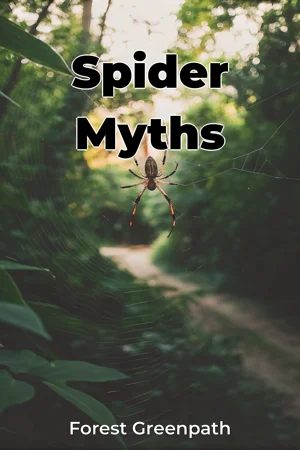
Are spiders truly the menacing creatures that popular culture portrays, or are they victims of gross misrepresentation? *Spider Myths* aims to unravel the web of misconceptions surrounding these fascinating arachnids, exploring their true nature through a scientific lens. This book delves into spider venom, their intricate web-building skills, and their diverse survival strategies, revealing the remarkable biology that underpins their existence. These topics are crucial because spider myths often fuel unwarranted fear and negatively influence conservation efforts. Understanding the reality of spider behavior and biology can foster appreciation for their critical roles in ecosystems and dispel harmful inaccuracies. Humans have long held complex views of spiders, ranging from fear and disgust to reverence and admiration. Historically, spiders have been associated with both malevolent deities and symbols of creation and resourcefulness. This book contextualizes these perspectives by drawing upon scientific research to challenge unsubstantiated claims. Prior familiarity with basic biology or ecology would enhance the reading experience. The central argument of *Spider Myths* is that scientific evidence overwhelmingly contradicts the most prevalent and damaging myths about spiders. We maintain that dispelling these misconceptions is essential for promoting informed attitudes toward spiders and for supporting evidence-based conservation practices. The book begins by introducing fundamental spider biology, taxonomy, and behavior. It then tackles common myths head-on, dedicating specific chapters to debunking frequently cited falsehoods about spider venom potency, aggression, and the supposed dangers of spider bites. We look into spider silk and web construction, examining the material properties of spider silk, the diversity of web designs, and the ecological functions of webs in prey capture and communication. Further chapters explore spider survival strategies in diverse habitats, including camouflage, mimicry, and social behavior. The book culminates in a discussion of the ecological importance of spiders as predators, prey, and contributors to ecosystem stability, and the practical implications of understanding their true nature. Throughout the book, the arguments are supported by a synthesis of scientific literature, including peer-reviewed research articles, field studies, and experimental data. We also draw upon photographic evidence and microscopic imagery to illustrate key concepts. *Spider Myths* connects to several other fields, including entomology, ecology, and conservation biology. By presenting a nuanced understanding of spider biology, the book underscores the significance of invertebrates in maintaining ecosystem health. It has connections to toxicology and even materials science, due to the unique properties of spider silk. A unique aspect of this book is its multidisciplinary approach to myth-busting. It does not simply dismiss myths but rather carefully dissects them using scientific evidence from multiple fields, providing a holistic view. The writing style is accessible and engaging, aiming to convey complex scientific information in a manner that is both informative and compelling for a broad audience. It follows the style of narrative non-fiction while maintaining scientific rigidity. The target audience includes nature enthusiasts, students of biology and ecology, and anyone interested in learning more about spiders and challenging common misconceptions. The book will appeal to readers who are drawn to fact-based investigations of the natural world. As a work of scientific non-fiction, *Spider Myths* prioritizes accuracy, clarity, and objectivity in presenting information. It refrains from sensationalism and adheres to the principles of evidence-based reasoning. The book aims for a comprehensive overview of the subject, while recognizing the limitations of any single volume. It does not cover every spider species in detail. The information presented has real-world applications in pest management, conservation planning, and public health education. By debunking myths about spider bites, the book can help to alleviate unnecessary anxiety and reduce inappropriate medical interventions. While the role of spiders in ecosystems is well-established, debates persist regarding the best strategies for conserving spider diversity and mitigating human-spider conflicts in urban environments. This book addresses these debates.
Are spiders truly the menacing creatures that popular culture portrays, or are they victims of gross misrepresentation? *Spider Myths* aims to unravel the web of misconceptions surrounding these fascinating arachnids, exploring their true nature through a scientific lens. This book delves into spider venom, their intricate web-building skills, and their diverse survival strategies, revealing the remarkable biology that underpins their existence. These topics are crucial because spider myths often fuel unwarranted fear and negatively influence conservation efforts. Understanding the reality of spider behavior and biology can foster appreciation for their critical roles in ecosystems and dispel harmful inaccuracies. Humans have long held complex views of spiders, ranging from fear and disgust to reverence and admiration. Historically, spiders have been associated with both malevolent deities and symbols of creation and resourcefulness. This book contextualizes these perspectives by drawing upon scientific research to challenge unsubstantiated claims. Prior familiarity with basic biology or ecology would enhance the reading experience. The central argument of *Spider Myths* is that scientific evidence overwhelmingly contradicts the most prevalent and damaging myths about spiders. We maintain that dispelling these misconceptions is essential for promoting informed attitudes toward spiders and for supporting evidence-based conservation practices. The book begins by introducing fundamental spider biology, taxonomy, and behavior. It then tackles common myths head-on, dedicating specific chapters to debunking frequently cited falsehoods about spider venom potency, aggression, and the supposed dangers of spider bites. We look into spider silk and web construction, examining the material properties of spider silk, the diversity of web designs, and the ecological functions of webs in prey capture and communication. Further chapters explore spider survival strategies in diverse habitats, including camouflage, mimicry, and social behavior. The book culminates in a discussion of the ecological importance of spiders as predators, prey, and contributors to ecosystem stability, and the practical implications of understanding their true nature. Throughout the book, the arguments are supported by a synthesis of scientific literature, including peer-reviewed research articles, field studies, and experimental data. We also draw upon photographic evidence and microscopic imagery to illustrate key concepts. *Spider Myths* connects to several other fields, including entomology, ecology, and conservation biology. By presenting a nuanced understanding of spider biology, the book underscores the significance of invertebrates in maintaining ecosystem health. It has connections to toxicology and even materials science, due to the unique properties of spider silk. A unique aspect of this book is its multidisciplinary approach to myth-busting. It does not simply dismiss myths but rather carefully dissects them using scientific evidence from multiple fields, providing a holistic view. The writing style is accessible and engaging, aiming to convey complex scientific information in a manner that is both informative and compelling for a broad audience. It follows the style of narrative non-fiction while maintaining scientific rigidity. The target audience includes nature enthusiasts, students of biology and ecology, and anyone interested in learning more about spiders and challenging common misconceptions. The book will appeal to readers who are drawn to fact-based investigations of the natural world. As a work of scientific non-fiction, *Spider Myths* prioritizes accuracy, clarity, and objectivity in presenting information. It refrains from sensationalism and adheres to the principles of evidence-based reasoning. The book aims for a comprehensive overview of the subject, while recognizing the limitations of any single volume. It does not cover every spider species in detail. The information presented has real-world applications in pest management, conservation planning, and public health education. By debunking myths about spider bites, the book can help to alleviate unnecessary anxiety and reduce inappropriate medical interventions. While the role of spiders in ecosystems is well-established, debates persist regarding the best strategies for conserving spider diversity and mitigating human-spider conflicts in urban environments. This book addresses these debates.
*Spider Myths* confronts common misbeliefs about spiders, revealing the fascinating truth behind these often-misunderstood arachnids. Going beyond mere dismissal, the book uses scientific research to dissect popular myths concerning spider venom, aggression, and bite dangers. It highlights remarkable aspects of spider biology, like intricate web construction and diverse survival strategies, and explores their significant role in maintaining healthy ecosystems. The book begins with the basics of spider biology and taxonomy before systematically debunking frequently cited falsehoods. Later chapters delve into spider silk, diverse web designs, and survival tactics like camouflage and mimicry. By synthesizing scientific literature and incorporating visual aids, *Spider Myths* offers a comprehensive understanding of these creatures, making it an invaluable resource for nature enthusiasts and students alike.
Book Details
ISBN
9788233967055
Publisher
Publifye AS
Your Licenses
You don't own any licenses for this book
Purchase a license below to unlock this book and download the EPUB.
Purchase License
Select a tier to unlock this book
Need bulk licensing?
Contact us for enterprise agreements.