
About This Book
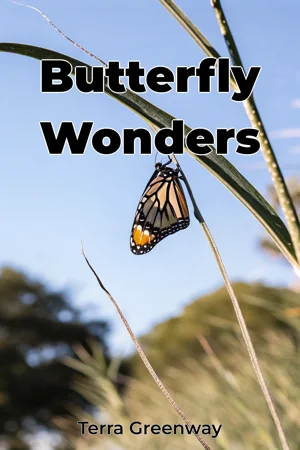
Did you know that the seemingly fragile butterfly undertakes one of nature's most significant and complex transformations? "Butterfly Wonders" delves into this fascinating world, exploring the complete metamorphosis of butterflies, their intricate and often perilous migration patterns, and the diverse survival strategies they employ to thrive in various environments. These topics form the core of understanding not only butterfly biology but also broader ecological principles. This book provides a comprehensive examination of the Lepidoptera order, offering both a deep dive into specific butterfly species and a wide-ranging overview of their ecological roles. A basic understanding of biological classifications and ecological concepts is helpful, but the writing is designed to be accessible to a broad audience. The central argument posits that the butterfly's success as a species lies in its remarkable adaptability and the interconnectedness of its life cycle with its environment. This argument is crucial because it highlights the importance of conservation efforts and understanding the delicate balance of ecosystems. "Butterfly Wonders" begins by introducing the butterfly's life cycle, from egg to larva (caterpillar) to pupa (chrysalis) and finally, to the adult butterfly. This section explores the biochemical processes underlying metamorphosis and the genetic factors that influence wing patterns and coloration. Following this, the book examines migration, detailing the journeys of iconic species such as the Monarch butterfly, and analyzing the factors that trigger and guide these long-distance flights, including weather patterns, magnetic fields, and internal biological clocks. The third major section addresses diverse survival tactics, including camouflage, mimicry, chemical defenses, and symbiotic relationships with plants and other insects. The book culminates by discussing the impact of habitat loss, climate change, and pesticide use on butterfly populations and proposing conservation strategies to protect these vital insects. The evidence presented is drawn from a wide range of scientific research, including field studies, laboratory experiments, and genomic analyses. The book incorporates data from citizen science initiatives that track butterfly populations and migration routes, showcasing collaborative efforts in scientific discovery. The study of butterflies extends beyond pure biology, connecting with fields such as ecology, genetics, and even climate science. The impact of climate change on butterfly migration patterns provides a tangible example of the interconnectedness of these disciplines. Additionally, the aesthetic appeal of butterflies links them to art and culture, reflecting their symbolic importance throughout human history. "Butterfly Wonders" offers a unique perspective by integrating the latest scientific findings with practical conservation advice. The book emphasizes the role of citizen scientists and provides guidance on creating butterfly-friendly habitats. Written in a clear and engaging style, "Butterfly Wonders" presents complex scientific information in a way that is accessible to both amateur enthusiasts and serious students of biology. The tone is informative but also conveys a sense of wonder and appreciation for the natural world. The target audience includes nature lovers, gardeners, students, and anyone interested in learning more about the natural world. The book offers valuable insights for those seeking to understand ecological principles and contribute to conservation efforts. As a non-fiction science book, "Butterfly Wonders" adheres to the conventions of accuracy, clarity, and evidence-based arguments. It includes detailed illustrations, photographs, and maps to enhance understanding and engagement. While the book provides a broad overview of butterfly biology, it does not delve into highly technical aspects of entomology or specific taxonomic debates. The focus remains on providing a comprehensive and accessible introduction to the world of butterflies for a general audience. The information in "Butterfly Wonders" can be applied to create butterfly gardens, support local conservation initiatives, and educate others about the importance of protecting these vital insects. The book also encourages readers to participate in citizen science projects, contributing to ongoing research efforts. While this book strives to present a comprehensive view, it acknowledges ongoing debates regarding specific conservation strategies and the precise impact of certain environmental factors on butterfly populations. Presenting various perspectives ensures the reader is aware of the complexities within the field of butterfly research and conservation.
Did you know that the seemingly fragile butterfly undertakes one of nature's most significant and complex transformations? "Butterfly Wonders" delves into this fascinating world, exploring the complete metamorphosis of butterflies, their intricate and often perilous migration patterns, and the diverse survival strategies they employ to thrive in various environments. These topics form the core of understanding not only butterfly biology but also broader ecological principles. This book provides a comprehensive examination of the Lepidoptera order, offering both a deep dive into specific butterfly species and a wide-ranging overview of their ecological roles. A basic understanding of biological classifications and ecological concepts is helpful, but the writing is designed to be accessible to a broad audience. The central argument posits that the butterfly's success as a species lies in its remarkable adaptability and the interconnectedness of its life cycle with its environment. This argument is crucial because it highlights the importance of conservation efforts and understanding the delicate balance of ecosystems. "Butterfly Wonders" begins by introducing the butterfly's life cycle, from egg to larva (caterpillar) to pupa (chrysalis) and finally, to the adult butterfly. This section explores the biochemical processes underlying metamorphosis and the genetic factors that influence wing patterns and coloration. Following this, the book examines migration, detailing the journeys of iconic species such as the Monarch butterfly, and analyzing the factors that trigger and guide these long-distance flights, including weather patterns, magnetic fields, and internal biological clocks. The third major section addresses diverse survival tactics, including camouflage, mimicry, chemical defenses, and symbiotic relationships with plants and other insects. The book culminates by discussing the impact of habitat loss, climate change, and pesticide use on butterfly populations and proposing conservation strategies to protect these vital insects. The evidence presented is drawn from a wide range of scientific research, including field studies, laboratory experiments, and genomic analyses. The book incorporates data from citizen science initiatives that track butterfly populations and migration routes, showcasing collaborative efforts in scientific discovery. The study of butterflies extends beyond pure biology, connecting with fields such as ecology, genetics, and even climate science. The impact of climate change on butterfly migration patterns provides a tangible example of the interconnectedness of these disciplines. Additionally, the aesthetic appeal of butterflies links them to art and culture, reflecting their symbolic importance throughout human history. "Butterfly Wonders" offers a unique perspective by integrating the latest scientific findings with practical conservation advice. The book emphasizes the role of citizen scientists and provides guidance on creating butterfly-friendly habitats. Written in a clear and engaging style, "Butterfly Wonders" presents complex scientific information in a way that is accessible to both amateur enthusiasts and serious students of biology. The tone is informative but also conveys a sense of wonder and appreciation for the natural world. The target audience includes nature lovers, gardeners, students, and anyone interested in learning more about the natural world. The book offers valuable insights for those seeking to understand ecological principles and contribute to conservation efforts. As a non-fiction science book, "Butterfly Wonders" adheres to the conventions of accuracy, clarity, and evidence-based arguments. It includes detailed illustrations, photographs, and maps to enhance understanding and engagement. While the book provides a broad overview of butterfly biology, it does not delve into highly technical aspects of entomology or specific taxonomic debates. The focus remains on providing a comprehensive and accessible introduction to the world of butterflies for a general audience. The information in "Butterfly Wonders" can be applied to create butterfly gardens, support local conservation initiatives, and educate others about the importance of protecting these vital insects. The book also encourages readers to participate in citizen science projects, contributing to ongoing research efforts. While this book strives to present a comprehensive view, it acknowledges ongoing debates regarding specific conservation strategies and the precise impact of certain environmental factors on butterfly populations. Presenting various perspectives ensures the reader is aware of the complexities within the field of butterfly research and conservation.
"Butterfly Wonders" explores the captivating world of butterflies, from their complete metamorphosis to their crucial role in various ecosystems. The book highlights the incredible adaptability of these insects, examining their life cycles, survival tactics, and the challenges they face due to habitat loss and climate change. Did you know that butterflies use camouflage, mimicry, and even chemical defenses to survive? The book presents these survival strategies and more in an accessible way, suitable for both amateur and serious biology enthusiasts. The book progresses logically, starting with the butterfly's life cycle, then moving to migration patterns, and finally delving into survival tactics. It emphasizes the importance of conservation efforts and underscores the interconnectedness of butterfly biology with broader ecological principles. By integrating scientific findings with practical conservation advice, "Butterfly Wonders" offers a unique perspective, emphasizing the role of citizen scientists and providing guidance on creating butterfly-friendly habitats.
Book Details
ISBN
9788233967031
Publisher
Publifye AS
Your Licenses
You don't own any licenses for this book
Purchase a license below to unlock this book and download the EPUB.
Purchase License
Select a tier to unlock this book
Need bulk licensing?
Contact us for enterprise agreements.