
About This Book
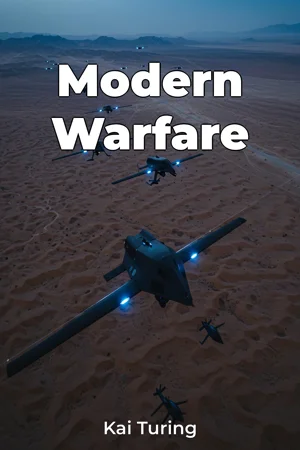
Are we on the cusp of a new era where conflicts are no longer defined by boots on the ground, but by algorithms and autonomous systems? "Modern Warfare" delves into this critical question, exploring the seismic shift in military strategy and tactics brought about by the integration of drones, artificial intelligence (AI), and advanced weaponry. This book examines how these technologies are reshaping the landscape of warfare, challenging traditional notions of combat, and raising profound ethical and strategic concerns. This book primarily focuses on two key areas: the proliferation of drone technology and the increasing role of artificial intelligence in military decision-making. The proliferation of drones has democratized airpower, making it accessible not only to nation-states but also to non-state actors. Their relatively low cost and ease of deployment have revolutionized surveillance, reconnaissance, and targeted strikes. Secondly, the integration of AI is transforming everything from logistics and intelligence analysis to autonomous weapons systems. These technologies promise to increase efficiency and reduce human casualties, but they also raise concerns about accountability, bias, and the potential for unintended consequences. Understanding the evolution of modern warfare requires considering its historical context. The book traces the development of military technology from the industrial revolution to the present day, highlighting key innovations and their impact on battlefield tactics. It also explores the social and political factors that drive technological innovation in the military, including the role of government funding, private industry, and public opinion. The central argument of "Modern Warfare" is that the integration of drones, AI, and advanced weaponry represents a fundamental shift in the nature of conflict, demanding a re-evaluation of existing military doctrines, international laws, and ethical frameworks. This book argues that while these technologies offer potential advantages in terms of efficiency and precision, they also pose significant risks to global stability and human security. It is vital to understand these technologies and their implications to ensure responsible development and deployment. The book begins by introducing the core concepts of modern warfare, examining the key technologies driving this transformation. It then provides a historical overview of military innovation. Next, it explores the impact of drones on contemporary conflicts, analyzing their use in various operational theaters and their effects on both combatants and civilians. The ethical considerations of autonomous weapons systems, delving into the debates surrounding lethal autonomy and the potential for unintended escalation, are discussed. The book culminates with an examination of the future of warfare, exploring the potential for further technological advancements and their implications for global security. It also provides practical recommendations for policymakers, military leaders, and technologists on how to navigate the challenges and opportunities presented by modern warfare. The research presented is supported by a wide range of sources, including government reports, academic studies, industry publications, and firsthand accounts from military personnel and defense experts. The book also draws on unique data sets, such as analyses of drone strikes and evaluations of AI-powered defense systems. "Modern Warfare" connects to various other fields, including international relations, political science, and ethics. It offers insights into the changing dynamics of global power, the challenges of regulating emerging technologies, and the ethical dilemmas posed by autonomous weapons systems. These connections enhance the book's argument by providing a broader perspective on the implications of modern warfare. The book takes a multidisciplinary approach, combining historical analysis, technological assessments, and ethical considerations to provide a comprehensive understanding of modern warfare. This approach allows for a nuanced examination of the complex challenges and opportunities presented by these transformative technologies. The intended readership includes military professionals, policymakers, academics, and anyone interested in understanding the future of warfare. This book provides a valuable resource for those seeking to navigate the complexities of modern conflict and to contribute to the development of responsible and ethical military strategies. As a work of military history and technology, "Modern Warfare" adheres to rigorous standards of accuracy and objectivity. It presents a balanced assessment of the benefits and risks of modern military technologies, acknowledging the complexities and uncertainties surrounding their development and deployment. While the book covers a broad range of topics related to modern warfare, it intentionally limits its scope to the technologies and strategies that are currently shaping the battlefield. It does not delve into specific case studies or regional conflicts, focusing instead on the broader trends and implications of modern warfare. The information presented in "Modern Warfare" can be applied in a variety of practical ways. Military leaders can use it to inform their strategic planning and training programs. Policymakers can use it to develop regulations and guidelines for the use of autonomous weapons systems. And technologists can use it to design more responsible and ethical military technologies. "Modern Warfare" addresses ongoing debates about the role of artificial intelligence in warfare, the ethics of autonomous weapons systems, and the legal challenges of regulating drone warfare. By presenting a balanced and informed perspective on these issues, the book contributes to a more nuanced and productive dialogue about the future of conflict.
Are we on the cusp of a new era where conflicts are no longer defined by boots on the ground, but by algorithms and autonomous systems? "Modern Warfare" delves into this critical question, exploring the seismic shift in military strategy and tactics brought about by the integration of drones, artificial intelligence (AI), and advanced weaponry. This book examines how these technologies are reshaping the landscape of warfare, challenging traditional notions of combat, and raising profound ethical and strategic concerns. This book primarily focuses on two key areas: the proliferation of drone technology and the increasing role of artificial intelligence in military decision-making. The proliferation of drones has democratized airpower, making it accessible not only to nation-states but also to non-state actors. Their relatively low cost and ease of deployment have revolutionized surveillance, reconnaissance, and targeted strikes. Secondly, the integration of AI is transforming everything from logistics and intelligence analysis to autonomous weapons systems. These technologies promise to increase efficiency and reduce human casualties, but they also raise concerns about accountability, bias, and the potential for unintended consequences. Understanding the evolution of modern warfare requires considering its historical context. The book traces the development of military technology from the industrial revolution to the present day, highlighting key innovations and their impact on battlefield tactics. It also explores the social and political factors that drive technological innovation in the military, including the role of government funding, private industry, and public opinion. The central argument of "Modern Warfare" is that the integration of drones, AI, and advanced weaponry represents a fundamental shift in the nature of conflict, demanding a re-evaluation of existing military doctrines, international laws, and ethical frameworks. This book argues that while these technologies offer potential advantages in terms of efficiency and precision, they also pose significant risks to global stability and human security. It is vital to understand these technologies and their implications to ensure responsible development and deployment. The book begins by introducing the core concepts of modern warfare, examining the key technologies driving this transformation. It then provides a historical overview of military innovation. Next, it explores the impact of drones on contemporary conflicts, analyzing their use in various operational theaters and their effects on both combatants and civilians. The ethical considerations of autonomous weapons systems, delving into the debates surrounding lethal autonomy and the potential for unintended escalation, are discussed. The book culminates with an examination of the future of warfare, exploring the potential for further technological advancements and their implications for global security. It also provides practical recommendations for policymakers, military leaders, and technologists on how to navigate the challenges and opportunities presented by modern warfare. The research presented is supported by a wide range of sources, including government reports, academic studies, industry publications, and firsthand accounts from military personnel and defense experts. The book also draws on unique data sets, such as analyses of drone strikes and evaluations of AI-powered defense systems. "Modern Warfare" connects to various other fields, including international relations, political science, and ethics. It offers insights into the changing dynamics of global power, the challenges of regulating emerging technologies, and the ethical dilemmas posed by autonomous weapons systems. These connections enhance the book's argument by providing a broader perspective on the implications of modern warfare. The book takes a multidisciplinary approach, combining historical analysis, technological assessments, and ethical considerations to provide a comprehensive understanding of modern warfare. This approach allows for a nuanced examination of the complex challenges and opportunities presented by these transformative technologies. The intended readership includes military professionals, policymakers, academics, and anyone interested in understanding the future of warfare. This book provides a valuable resource for those seeking to navigate the complexities of modern conflict and to contribute to the development of responsible and ethical military strategies. As a work of military history and technology, "Modern Warfare" adheres to rigorous standards of accuracy and objectivity. It presents a balanced assessment of the benefits and risks of modern military technologies, acknowledging the complexities and uncertainties surrounding their development and deployment. While the book covers a broad range of topics related to modern warfare, it intentionally limits its scope to the technologies and strategies that are currently shaping the battlefield. It does not delve into specific case studies or regional conflicts, focusing instead on the broader trends and implications of modern warfare. The information presented in "Modern Warfare" can be applied in a variety of practical ways. Military leaders can use it to inform their strategic planning and training programs. Policymakers can use it to develop regulations and guidelines for the use of autonomous weapons systems. And technologists can use it to design more responsible and ethical military technologies. "Modern Warfare" addresses ongoing debates about the role of artificial intelligence in warfare, the ethics of autonomous weapons systems, and the legal challenges of regulating drone warfare. By presenting a balanced and informed perspective on these issues, the book contributes to a more nuanced and productive dialogue about the future of conflict.
"Modern Warfare" explores the profound transformation of military strategy through the integration of military technology like drones and artificial intelligence. It highlights how the proliferation of drone technology has democratized airpower, making it accessible to various actors, while AI is revolutionizing everything from logistics to autonomous weapons. The book addresses the ethical considerations surrounding these advancements, particularly concerning accountability and the potential for unintended consequences, offering a critical analysis of their impact on global security. Tracing the evolution of military innovation from the industrial revolution to the present, "Modern Warfare" examines the social and political factors driving technological advancements in the military. It argues that drones, AI, and advanced weaponry represent a fundamental shift in conflict, necessitating a re-evaluation of military doctrines and ethical frameworks. Beginning with core concepts and a historical overview, it progresses through the impact of drones, ethical considerations of autonomous weapons, and future implications, providing recommendations for policymakers and military leaders. This book stands out by combining military history with technological assessments and ethical considerations, providing a comprehensive understanding of modern warfare. It is designed for military professionals, policymakers, academics, and anyone keen to understand the future of armed conflict. By presenting a balanced perspective on the benefits and risks, it fosters a more informed dialogue about AI in military applications, drone technology, and the ethical challenges of warfare.
Book Details
ISBN
9788233966966
Publisher
Publifye AS
Your Licenses
You don't own any licenses for this book
Purchase a license below to unlock this book and download the EPUB.
Purchase License
Select a tier to unlock this book
Need bulk licensing?
Contact us for enterprise agreements.