
About This Book
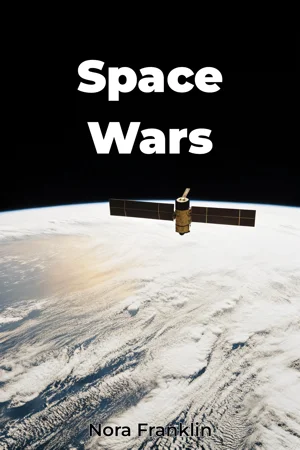
Are we on the verge of a new arms race, this time not on land or sea, but among the stars? "Space Wars" explores the escalating militarization of space, tracing its roots from the Cold War's nascent space programs to the complex satellite defense systems of today. This book examines the strategic, technological, and political dimensions of space warfare, revealing how nations compete for dominance in this final frontier. The book delves into three key areas. First, it analyzes the historical development of space weapons, from early concepts of orbital bombardment to the anti-satellite (ASAT) programs of the United States and the Soviet Union. Understanding this history is critical to grasping the current motivations and capabilities of different nations. Second, it dissects the modern landscape of space-based military assets, including surveillance satellites, communication networks, and missile defense systems. The vulnerability of these assets and the strategies for protecting them are examined in detail. Third, it explores the evolving legal and ethical frameworks governing the use of space, highlighting the challenges of regulating military activities in an environment beyond national borders. The central argument of "Space Wars" is that the militarization of space is not merely a technological race, but a complex geopolitical challenge with profound implications for global security. The book contends that without clear international norms and safeguards, the risk of conflict in space will continue to escalate, potentially disrupting critical infrastructure and triggering wider terrestrial conflicts. "Space Wars" begins by establishing the historical context of the space race, highlighting the dual-use nature of early space technologies and their rapid integration into military strategies. It continues by examining the development of specific space weapon systems, analyzing their capabilities and limitations through declassified documents and technical specifications. A significant portion of the book is dedicated to analyzing the current state of space-based military infrastructure, assessing the vulnerabilities of satellites to various threats, including cyberattacks, electronic warfare, and physical destruction. The book then culminates in a discussion of potential future scenarios, examining the implications of emerging technologies like artificial intelligence and autonomous weapons systems for space warfare. The final chapter explores potential avenues for arms control and international cooperation in space, advocating for a proactive approach to prevent conflict. The evidence presented in "Space Wars" is drawn from a variety of sources, including government reports, military documents, scientific studies, and interviews with experts in space policy and military strategy. It uses open-source intelligence to track the development and deployment of space-based military assets by different nations and employs game theory models to analyze potential conflict scenarios in space. "Space Wars" connects to several other fields, including international relations, cybersecurity, and technology policy. It examines how the militarization of space affects diplomatic relations between nations, how cyberattacks can be used to disable space-based assets, and how policymakers are grappling with the ethical and legal implications of new space technologies. The book stands out by offering a comprehensive and interdisciplinary perspective on the militarization of space, combining historical analysis with technical assessments and policy recommendations. It takes a balanced approach, presenting the perspectives of different nations and stakeholders while highlighting the common interests in preventing conflict. Written in a clear and accessible style, "Space Wars" is intended for a broad audience, including policymakers, military professionals, academics, and anyone interested in the future of space exploration and international security. It offers valuable insights for those seeking to understand the complex challenges of maintaining peace in an increasingly contested space environment. The book adheres to the conventions of military history and science non-fiction, providing detailed analysis and rigorous documentation to support its arguments. The book's scope is intentionally limited to the military aspects of space, focusing on the development, deployment, and potential use of space-based weapons and military systems. It does not delve into the scientific or commercial aspects of space exploration except where they directly relate to military capabilities. The information presented in "Space Wars" can be used to inform policy debates about space arms control, improve cybersecurity practices for protecting space-based assets, and raise public awareness about the risks of escalating conflict in space. "Space Wars" directly addresses ongoing debates about the weaponization of space, exploring different perspectives on the need for space-based defenses and the feasibility of arms control agreements. It acknowledges the controversies surrounding the development of ASAT weapons and the potential for these weapons to create debris fields that could render certain orbits unusable.
Are we on the verge of a new arms race, this time not on land or sea, but among the stars? "Space Wars" explores the escalating militarization of space, tracing its roots from the Cold War's nascent space programs to the complex satellite defense systems of today. This book examines the strategic, technological, and political dimensions of space warfare, revealing how nations compete for dominance in this final frontier. The book delves into three key areas. First, it analyzes the historical development of space weapons, from early concepts of orbital bombardment to the anti-satellite (ASAT) programs of the United States and the Soviet Union. Understanding this history is critical to grasping the current motivations and capabilities of different nations. Second, it dissects the modern landscape of space-based military assets, including surveillance satellites, communication networks, and missile defense systems. The vulnerability of these assets and the strategies for protecting them are examined in detail. Third, it explores the evolving legal and ethical frameworks governing the use of space, highlighting the challenges of regulating military activities in an environment beyond national borders. The central argument of "Space Wars" is that the militarization of space is not merely a technological race, but a complex geopolitical challenge with profound implications for global security. The book contends that without clear international norms and safeguards, the risk of conflict in space will continue to escalate, potentially disrupting critical infrastructure and triggering wider terrestrial conflicts. "Space Wars" begins by establishing the historical context of the space race, highlighting the dual-use nature of early space technologies and their rapid integration into military strategies. It continues by examining the development of specific space weapon systems, analyzing their capabilities and limitations through declassified documents and technical specifications. A significant portion of the book is dedicated to analyzing the current state of space-based military infrastructure, assessing the vulnerabilities of satellites to various threats, including cyberattacks, electronic warfare, and physical destruction. The book then culminates in a discussion of potential future scenarios, examining the implications of emerging technologies like artificial intelligence and autonomous weapons systems for space warfare. The final chapter explores potential avenues for arms control and international cooperation in space, advocating for a proactive approach to prevent conflict. The evidence presented in "Space Wars" is drawn from a variety of sources, including government reports, military documents, scientific studies, and interviews with experts in space policy and military strategy. It uses open-source intelligence to track the development and deployment of space-based military assets by different nations and employs game theory models to analyze potential conflict scenarios in space. "Space Wars" connects to several other fields, including international relations, cybersecurity, and technology policy. It examines how the militarization of space affects diplomatic relations between nations, how cyberattacks can be used to disable space-based assets, and how policymakers are grappling with the ethical and legal implications of new space technologies. The book stands out by offering a comprehensive and interdisciplinary perspective on the militarization of space, combining historical analysis with technical assessments and policy recommendations. It takes a balanced approach, presenting the perspectives of different nations and stakeholders while highlighting the common interests in preventing conflict. Written in a clear and accessible style, "Space Wars" is intended for a broad audience, including policymakers, military professionals, academics, and anyone interested in the future of space exploration and international security. It offers valuable insights for those seeking to understand the complex challenges of maintaining peace in an increasingly contested space environment. The book adheres to the conventions of military history and science non-fiction, providing detailed analysis and rigorous documentation to support its arguments. The book's scope is intentionally limited to the military aspects of space, focusing on the development, deployment, and potential use of space-based weapons and military systems. It does not delve into the scientific or commercial aspects of space exploration except where they directly relate to military capabilities. The information presented in "Space Wars" can be used to inform policy debates about space arms control, improve cybersecurity practices for protecting space-based assets, and raise public awareness about the risks of escalating conflict in space. "Space Wars" directly addresses ongoing debates about the weaponization of space, exploring different perspectives on the need for space-based defenses and the feasibility of arms control agreements. It acknowledges the controversies surrounding the development of ASAT weapons and the potential for these weapons to create debris fields that could render certain orbits unusable.
"Space Wars" delves into the escalating militarization of space, exploring its historical roots and modern implications for global security. From early Cold War programs to today's complex satellite defense systems, the book traces the evolution of space weapons and military strategy. It examines the vulnerability of space-based assets, like surveillance satellites and communication networks, highlighting the critical need for their protection against cyberattacks and physical threats. The book offers a comprehensive look at the development of anti-satellite (ASAT) programs and their potential to create debris fields, rendering orbits unusable. It also emphasizes the geopolitical challenges of regulating military activities beyond national borders, arguing that clear international norms are essential to prevent conflict. "Space Wars" progresses by establishing the historical context, analyzing specific weapon systems, assessing current infrastructure vulnerabilities, and discussing future scenarios involving technologies like AI. Drawing from government reports, military documents, and expert interviews, "Space Wars" connects international relations, cybersecurity, and technology policy. It stands out by offering an interdisciplinary perspective, combining historical analysis with technical assessments and policy recommendations, and providing valuable insights for anyone interested in the future of space exploration and international security.
Book Details
ISBN
9788233966942
Publisher
Publifye AS
Your Licenses
You don't own any licenses for this book
Purchase a license below to unlock this book and download the EPUB.
Purchase License
Select a tier to unlock this book
Need bulk licensing?
Contact us for enterprise agreements.