
About This Book
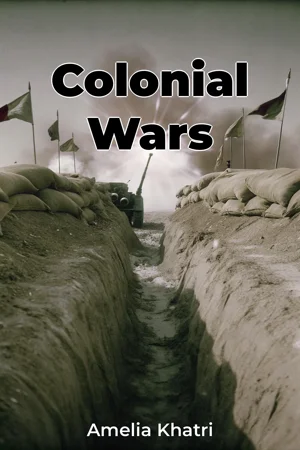
Why do nations fight for their freedom, and what are the lasting consequences of these struggles? "Colonial Wars" delves into the heart of independence movements, examining the complex dynamics of power, resistance, and nation-building across the globe. This book specifically explores the wars fought for independence using case studies, including the American Revolution and various decolonization struggles of the 20th century. Understanding these conflicts is vital for comprehending the modern world, as they shaped national boundaries, political ideologies, and global power structures. This study examines the wars through three key lenses: the motivations behind independence movements, the strategies employed by both colonizers and those seeking liberation, and the long-term impacts on the newly formed nations. We will analyze economic exploitation, political oppression, and cultural suppression as primary drivers of resistance. Equally important is an assessment of the military tactics, diplomatic maneuvers, and ideological frameworks that defined each conflict. Finally, the book investigates the social, political, and economic legacies of these wars, including issues of governance, development, and international relations in the post-colonial era. "Colonial Wars" is structured to provide a comprehensive overview of the subject. The opening chapters establish a theoretical framework for understanding colonialism and anti-colonial resistance. We will then examine specific case studies, beginning with the American Revolution. Subsequent chapters will delve into decolonization movements in Africa, Asia, and Latin America, analyzing common themes and unique characteristics of each struggle. Each case study includes detailed accounts of key battles, political leaders, and social movements. The book culminates with a comparative analysis of the wars for independence, highlighting the factors that contribute to success or failure and the lasting consequences of colonial rule. The analysis is grounded in a wide range of primary and secondary sources, including archival documents, personal letters, military records, and scholarly articles. The book draws upon interdisciplinary perspectives from history, political science, economics, and sociology to provide a nuanced and multifaceted understanding of colonial wars. Methodologically, the book employs comparative analysis to identify patterns and variations across different cases of colonial conflict. "Colonial Wars" intersects with several other fields of study. It is directly relevant to international relations, offering insights into the dynamics of power, conflict, and diplomacy in the global arena. It also connects to development studies, examining the challenges faced by post-colonial nations in achieving economic and social progress. Furthermore, the book has strong links to cultural studies, exploring the role of identity, ideology, and representation in shaping the struggles for independence. This book offers a fresh perspective by moving beyond a purely Eurocentric view of colonial history, incorporating voices and perspectives from the colonized world. It avoids simple narratives of good versus evil, instead offering a nuanced analysis of the complex motivations and consequences of these conflicts. The writing style is accessible and engaging. Complex concepts are explained clearly. This book is intended for students, scholars, and anyone interested in understanding the history of colonialism, decolonization, and nation-building. It will be particularly valuable to those studying history, political science, international relations, and development studies. The scope of "Colonial Wars" is limited to armed conflicts for independence, focusing on the military, political, and social dimensions of these struggles. It does not delve deeply into the cultural or psychological aspects of colonialism, although these are acknowledged as relevant factors. The lessons from "Colonial Wars" are highly relevant to contemporary issues. Understanding the historical roots of conflict and inequality can inform efforts to promote peace, justice, and development in the post-colonial world. The book also provides insights into the challenges of nation-building and the importance of inclusive governance in diverse societies. Contemporary debates about reparations for colonial injustices and the legacy of imperialism are directly relevant to this work. "Colonial Wars" aims to contribute to these discussions by providing a historical context for understanding the ongoing consequences of colonial rule.
Why do nations fight for their freedom, and what are the lasting consequences of these struggles? "Colonial Wars" delves into the heart of independence movements, examining the complex dynamics of power, resistance, and nation-building across the globe. This book specifically explores the wars fought for independence using case studies, including the American Revolution and various decolonization struggles of the 20th century. Understanding these conflicts is vital for comprehending the modern world, as they shaped national boundaries, political ideologies, and global power structures. This study examines the wars through three key lenses: the motivations behind independence movements, the strategies employed by both colonizers and those seeking liberation, and the long-term impacts on the newly formed nations. We will analyze economic exploitation, political oppression, and cultural suppression as primary drivers of resistance. Equally important is an assessment of the military tactics, diplomatic maneuvers, and ideological frameworks that defined each conflict. Finally, the book investigates the social, political, and economic legacies of these wars, including issues of governance, development, and international relations in the post-colonial era. "Colonial Wars" is structured to provide a comprehensive overview of the subject. The opening chapters establish a theoretical framework for understanding colonialism and anti-colonial resistance. We will then examine specific case studies, beginning with the American Revolution. Subsequent chapters will delve into decolonization movements in Africa, Asia, and Latin America, analyzing common themes and unique characteristics of each struggle. Each case study includes detailed accounts of key battles, political leaders, and social movements. The book culminates with a comparative analysis of the wars for independence, highlighting the factors that contribute to success or failure and the lasting consequences of colonial rule. The analysis is grounded in a wide range of primary and secondary sources, including archival documents, personal letters, military records, and scholarly articles. The book draws upon interdisciplinary perspectives from history, political science, economics, and sociology to provide a nuanced and multifaceted understanding of colonial wars. Methodologically, the book employs comparative analysis to identify patterns and variations across different cases of colonial conflict. "Colonial Wars" intersects with several other fields of study. It is directly relevant to international relations, offering insights into the dynamics of power, conflict, and diplomacy in the global arena. It also connects to development studies, examining the challenges faced by post-colonial nations in achieving economic and social progress. Furthermore, the book has strong links to cultural studies, exploring the role of identity, ideology, and representation in shaping the struggles for independence. This book offers a fresh perspective by moving beyond a purely Eurocentric view of colonial history, incorporating voices and perspectives from the colonized world. It avoids simple narratives of good versus evil, instead offering a nuanced analysis of the complex motivations and consequences of these conflicts. The writing style is accessible and engaging. Complex concepts are explained clearly. This book is intended for students, scholars, and anyone interested in understanding the history of colonialism, decolonization, and nation-building. It will be particularly valuable to those studying history, political science, international relations, and development studies. The scope of "Colonial Wars" is limited to armed conflicts for independence, focusing on the military, political, and social dimensions of these struggles. It does not delve deeply into the cultural or psychological aspects of colonialism, although these are acknowledged as relevant factors. The lessons from "Colonial Wars" are highly relevant to contemporary issues. Understanding the historical roots of conflict and inequality can inform efforts to promote peace, justice, and development in the post-colonial world. The book also provides insights into the challenges of nation-building and the importance of inclusive governance in diverse societies. Contemporary debates about reparations for colonial injustices and the legacy of imperialism are directly relevant to this work. "Colonial Wars" aims to contribute to these discussions by providing a historical context for understanding the ongoing consequences of colonial rule.
"Colonial Wars" explores the multifaceted history of independence movements and their lasting global impacts. Through case studies like the American Revolution and 20th-century decolonization efforts, the book examines the intricate dynamics of power, anti-colonial resistance, and nation-building. One intriguing aspect is the analysis of how economic exploitation, political oppression, and cultural suppression fueled these struggles. Another significant point is the assessment of military strategies and diplomatic maneuvers employed by both colonizers and those seeking liberation. The book progresses by first establishing a framework for understanding colonialism. It then delves into specific conflicts across Africa, Asia, and Latin America, analyzing common themes and unique characteristics. The approach analyzes the motivations behind independence movements, the strategies employed, and the long-term impacts on newly formed nations. Ultimately, the book offers a comparative analysis of these wars, highlighting factors that contributed to success or failure and underscoring the enduring consequences of colonial rule in shaping the post-colonial era.
Book Details
ISBN
9788233966911
Publisher
Publifye AS
Your Licenses
You don't own any licenses for this book
Purchase a license below to unlock this book and download the EPUB.
Purchase License
Select a tier to unlock this book
Need bulk licensing?
Contact us for enterprise agreements.