
About This Book
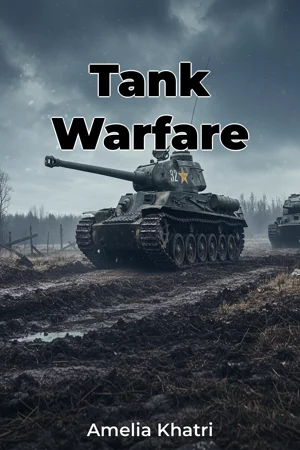
How did a machine initially mocked as a "land battleship" evolve to become the dominant force on the modern battlefield? "Tank Warfare" explores the history, technology, and tactical evolution of the tank from its crude beginnings in World War 1 to its sophisticated role in contemporary military conflicts. This book analyzes not only the machine itself, but also its profound impact on military doctrine, strategy, and the very nature of war. This study delves into three key areas: the technological advancements in tank design, the development of armored warfare tactics, and the strategic implications of tank deployment in various historical conflicts. Understanding these elements is critical to appreciating the tank's unparalleled influence on twentieth and twenty-first century warfare, and the ongoing adaptations required to maintain its effectiveness in the face of ever-evolving threats. The book provides essential historical context, starting with the static trench warfare of World War 1, which created the initial impetus for tank development. We explore how the limitations of infantry assaults and artillery bombardments spurred the search for a mobile, armored vehicle capable of breaking through enemy lines. A basic understanding of military strategy and arms development is helpful, but not required, as the concepts are clearly defined. The central argument of "Tank Warfare" is that the tank's enduring success lies not merely in its technological capabilities, but in its ability to continuously adapt to changing battlefield conditions and integrate with other military arms. The book emphasizes that the tank's evolution has been driven by a constant interplay between technological innovation, tactical adaptation, and strategic rethinking. The book is structured chronologically and thematically. It begins by examining the early tank designs of World War 1 and their initial battlefield performance. It then moves to the interwar period, analyzing the theoretical debates and experimental tank designs that laid the groundwork for World War 2. The core of the book focuses on World War 2, exploring the pivotal tank battles on the Eastern and Western Fronts, highlighting the strengths and weaknesses of different tank designs and tactical doctrines. The book then examines the Cold War era, focusing on the technological arms race between the United States and the Soviet Union, and how tanks influenced proxy wars and regional conflicts. The concluding chapters address modern tank warfare, including the challenges posed by asymmetric warfare, anti-tank guided missiles, and the increasing importance of networked warfare. The book culminates with an analysis of the tank's future role in the 21st century. This book draws on a wide range of primary and secondary sources, including archival documents, technical manuals, battlefield reports, and scholarly articles. It incorporates detailed vehicle specifications, performance data, and battle maps to provide a comprehensive understanding of tank warfare. First-hand accounts from tank crewmen and military commanders offer valuable insights into the human experience of armored combat. The subject matter connects to broader fields such as military history, political science (in terms of defense policy and international relations), and engineering (specifically mechanical and materials engineering). It also intersects with the study of technology and society, exploring how technological advancements shape human conflict. "Tank Warfare" offers a unique perspective by combining technological analysis with historical context and tactical insights. It moves beyond simply describing different tank models or battles to explore the underlying principles of armored warfare and the strategic implications of tank deployment. It addresses ongoing debates about the future of tanks in modern warfare, considering the challenges posed by new technologies and the changing nature of conflict. Written in a clear and accessible style suitable for both military history enthusiasts and those with a general interest in technology and warfare, this book provides a robust and fact-based account of the tank's impact. The book will appeal to military professionals seeking a deeper understanding of armored warfare, history buffs interested in the evolution of military technology, and general readers curious about the history and impact of the tank. As a history and military history book, it adheres to standards of academic rigor, presenting balanced accounts of different perspectives and supporting claims with evidence. The book's scope is focused primarily on the evolution and deployment of tanks, with limited coverage of other armored vehicles or supporting arms. This focus allows for a more in-depth exploration of the tank's unique role in warfare. The lessons learned from tank warfare have practical applications for modern military strategists, defense policymakers, and anyone interested in understanding the interplay of technology and warfare. The book explores controversies surrounding the tank's vulnerability in asymmetric warfare, and its cost-effectiveness compared to other weapons systems. It examines the ongoing debate about the optimal tank design for different battlefield environments and the future of armored warfare in an era of rapid technological change.
How did a machine initially mocked as a "land battleship" evolve to become the dominant force on the modern battlefield? "Tank Warfare" explores the history, technology, and tactical evolution of the tank from its crude beginnings in World War 1 to its sophisticated role in contemporary military conflicts. This book analyzes not only the machine itself, but also its profound impact on military doctrine, strategy, and the very nature of war. This study delves into three key areas: the technological advancements in tank design, the development of armored warfare tactics, and the strategic implications of tank deployment in various historical conflicts. Understanding these elements is critical to appreciating the tank's unparalleled influence on twentieth and twenty-first century warfare, and the ongoing adaptations required to maintain its effectiveness in the face of ever-evolving threats. The book provides essential historical context, starting with the static trench warfare of World War 1, which created the initial impetus for tank development. We explore how the limitations of infantry assaults and artillery bombardments spurred the search for a mobile, armored vehicle capable of breaking through enemy lines. A basic understanding of military strategy and arms development is helpful, but not required, as the concepts are clearly defined. The central argument of "Tank Warfare" is that the tank's enduring success lies not merely in its technological capabilities, but in its ability to continuously adapt to changing battlefield conditions and integrate with other military arms. The book emphasizes that the tank's evolution has been driven by a constant interplay between technological innovation, tactical adaptation, and strategic rethinking. The book is structured chronologically and thematically. It begins by examining the early tank designs of World War 1 and their initial battlefield performance. It then moves to the interwar period, analyzing the theoretical debates and experimental tank designs that laid the groundwork for World War 2. The core of the book focuses on World War 2, exploring the pivotal tank battles on the Eastern and Western Fronts, highlighting the strengths and weaknesses of different tank designs and tactical doctrines. The book then examines the Cold War era, focusing on the technological arms race between the United States and the Soviet Union, and how tanks influenced proxy wars and regional conflicts. The concluding chapters address modern tank warfare, including the challenges posed by asymmetric warfare, anti-tank guided missiles, and the increasing importance of networked warfare. The book culminates with an analysis of the tank's future role in the 21st century. This book draws on a wide range of primary and secondary sources, including archival documents, technical manuals, battlefield reports, and scholarly articles. It incorporates detailed vehicle specifications, performance data, and battle maps to provide a comprehensive understanding of tank warfare. First-hand accounts from tank crewmen and military commanders offer valuable insights into the human experience of armored combat. The subject matter connects to broader fields such as military history, political science (in terms of defense policy and international relations), and engineering (specifically mechanical and materials engineering). It also intersects with the study of technology and society, exploring how technological advancements shape human conflict. "Tank Warfare" offers a unique perspective by combining technological analysis with historical context and tactical insights. It moves beyond simply describing different tank models or battles to explore the underlying principles of armored warfare and the strategic implications of tank deployment. It addresses ongoing debates about the future of tanks in modern warfare, considering the challenges posed by new technologies and the changing nature of conflict. Written in a clear and accessible style suitable for both military history enthusiasts and those with a general interest in technology and warfare, this book provides a robust and fact-based account of the tank's impact. The book will appeal to military professionals seeking a deeper understanding of armored warfare, history buffs interested in the evolution of military technology, and general readers curious about the history and impact of the tank. As a history and military history book, it adheres to standards of academic rigor, presenting balanced accounts of different perspectives and supporting claims with evidence. The book's scope is focused primarily on the evolution and deployment of tanks, with limited coverage of other armored vehicles or supporting arms. This focus allows for a more in-depth exploration of the tank's unique role in warfare. The lessons learned from tank warfare have practical applications for modern military strategists, defense policymakers, and anyone interested in understanding the interplay of technology and warfare. The book explores controversies surrounding the tank's vulnerability in asymmetric warfare, and its cost-effectiveness compared to other weapons systems. It examines the ongoing debate about the optimal tank design for different battlefield environments and the future of armored warfare in an era of rapid technological change.
"Tank Warfare" explores the evolution of tanks from their World War 1 origins to their prominent role in modern military conflicts. It examines how the initial concept of a "land battleship" transformed into a dominant force, impacting military doctrine and the very nature of war. The book analyzes technological advancements in tank design, the development of armored warfare tactics, and the strategic implications of tank deployment across various historical conflicts. The book progresses chronologically, beginning with early tank designs and their battlefield performance in World War 1. It then moves through the interwar period, highlighting the theoretical debates and experimental designs that shaped World War 2 tank warfare. Pivotal tank battles on the Eastern and Western Fronts are examined, along with the Cold War arms race and modern challenges like asymmetric warfare. By combining technological analysis with historical context, "Tank Warfare" offers a unique perspective on the tank's enduring success. The book emphasizes the tank's ability to adapt to changing battlefield conditions, integrating with other military assets. It underscores how the tank's evolution results from a constant interplay between technological innovation, tactical adaptation, and strategic rethinking. By drawing on primary and secondary sources, including battlefield reports and technical manuals, the book provides a comprehensive understanding of tank warfare, emphasizing its historical impact and future relevance.
Book Details
ISBN
9788233966867
Publisher
Publifye AS
Your Licenses
You don't own any licenses for this book
Purchase a license below to unlock this book and download the EPUB.
Purchase License
Select a tier to unlock this book
Need bulk licensing?
Contact us for enterprise agreements.