
About This Book
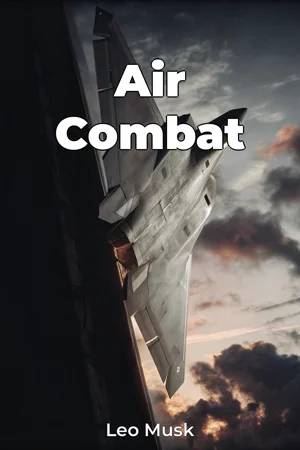
Have you ever wondered how a biplane battling in the skies of World War I evolved into the sophisticated, technologically advanced fighter jets dominating modern warfare? "Air Combat" explores this very transformation, charting the complete history of aerial warfare, the advancements in fighter jet technology, and the crucial role aviation has played in shaping the outcomes of conflicts throughout the 20th and 21st centuries. This book delves into the evolution of air combat tactics, aircraft design, and the strategic importance of air power, offering a comprehensive analysis for military history enthusiasts, aviation aficionados, and anyone seeking to understand the dynamics of modern warfare. This book argues that technological innovation in aircraft design and weaponry has fundamentally altered the nature of warfare, shifting the balance of power and creating new strategic imperatives. The development of air combat is not merely a story of faster planes and more powerful weapons, but a complex interplay of engineering, tactics, and geopolitical considerations that have continually reshaped the global landscape. Understanding this evolution is vital for comprehending the contemporary security environment and anticipating future trends in military technology. “Air Combat“ is structured to provide a chronological yet thematic exploration of aviation’s impact on warfare. First, we establish the rudimentary beginnings of air combat during World War I, examining the primitive aircraft and the pioneering tactics developed by early aviators. This section sets the stage for understanding the rapid advancements that followed. Second, the book analyzes the interwar period and World War II, detailing the rise of monoplane fighters, the development of strategic bombing, and the crucial role of air power in campaigns across Europe, the Pacific, and North Africa. Within this section are specific chapters dedicated to the Battle of Britain, the air war in the Pacific, and the Allied bombing campaign against Germany. Third, it examines the Cold War era, focusing on the development of jet-powered aircraft, the introduction of air-to-air missiles, and the impact of technological advancements on aerial engagements during conflicts like the Korean War and the Vietnam War. Finally, the book turns to modern air combat, covering the integration of stealth technology, precision-guided munitions, and drone warfare in conflicts from the Gulf War to present-day operations. The concluding chapter assesses the future of air combat in an era of increasing automation and cyber warfare. "Air Combat" draws upon a wide range of primary and secondary sources, including archival documents, technical manuals, pilot interviews, and scholarly analyses of military campaigns. A unique aspect of the book is its incorporation of previously declassified materials detailing the development and deployment of advanced military technologies, providing fresh insights into the strategic decision-making processes that shaped the evolution of air power. The book integrates into the fields of engineering, political science, and strategic studies emphasizing the multidisciplinary nature of air warfare. This approach recognizes that the development and deployment of air power are influenced not only by technological capabilities but also by political objectives, economic constraints, and strategic doctrines. The book adopts a narrative non-fiction approach, blending detailed historical accounts with accessible explanations of complex technological concepts. The goal is to provide a rigorous and informative analysis that is also engaging and accessible to a broad audience. The intended readership includes military historians, aviation enthusiasts, defense professionals, undergraduate and graduate students studying military or technological history, and general readers with an interest in understanding the evolution of modern warfare. It also addresses ongoing debates in the field of military strategy, particularly those concerning the effectiveness of air power in asymmetric conflicts and the ethical implications of drone warfare. The scope of the book is intentionally broad, covering a century of aerial warfare across multiple theaters of conflict. However, it does not delve into the specific technical details of individual aircraft models beyond what is necessary to illustrate broader trends in aircraft design and operational capabilities. The information presented in "Air Combat" has practical applications for defense analysts, military strategists, and policymakers involved in shaping military doctrine and procurement decisions. By understanding the historical trajectory of air combat, these professionals can better anticipate future challenges and opportunities in an increasingly complex security environment.
Have you ever wondered how a biplane battling in the skies of World War I evolved into the sophisticated, technologically advanced fighter jets dominating modern warfare? "Air Combat" explores this very transformation, charting the complete history of aerial warfare, the advancements in fighter jet technology, and the crucial role aviation has played in shaping the outcomes of conflicts throughout the 20th and 21st centuries. This book delves into the evolution of air combat tactics, aircraft design, and the strategic importance of air power, offering a comprehensive analysis for military history enthusiasts, aviation aficionados, and anyone seeking to understand the dynamics of modern warfare. This book argues that technological innovation in aircraft design and weaponry has fundamentally altered the nature of warfare, shifting the balance of power and creating new strategic imperatives. The development of air combat is not merely a story of faster planes and more powerful weapons, but a complex interplay of engineering, tactics, and geopolitical considerations that have continually reshaped the global landscape. Understanding this evolution is vital for comprehending the contemporary security environment and anticipating future trends in military technology. “Air Combat“ is structured to provide a chronological yet thematic exploration of aviation’s impact on warfare. First, we establish the rudimentary beginnings of air combat during World War I, examining the primitive aircraft and the pioneering tactics developed by early aviators. This section sets the stage for understanding the rapid advancements that followed. Second, the book analyzes the interwar period and World War II, detailing the rise of monoplane fighters, the development of strategic bombing, and the crucial role of air power in campaigns across Europe, the Pacific, and North Africa. Within this section are specific chapters dedicated to the Battle of Britain, the air war in the Pacific, and the Allied bombing campaign against Germany. Third, it examines the Cold War era, focusing on the development of jet-powered aircraft, the introduction of air-to-air missiles, and the impact of technological advancements on aerial engagements during conflicts like the Korean War and the Vietnam War. Finally, the book turns to modern air combat, covering the integration of stealth technology, precision-guided munitions, and drone warfare in conflicts from the Gulf War to present-day operations. The concluding chapter assesses the future of air combat in an era of increasing automation and cyber warfare. "Air Combat" draws upon a wide range of primary and secondary sources, including archival documents, technical manuals, pilot interviews, and scholarly analyses of military campaigns. A unique aspect of the book is its incorporation of previously declassified materials detailing the development and deployment of advanced military technologies, providing fresh insights into the strategic decision-making processes that shaped the evolution of air power. The book integrates into the fields of engineering, political science, and strategic studies emphasizing the multidisciplinary nature of air warfare. This approach recognizes that the development and deployment of air power are influenced not only by technological capabilities but also by political objectives, economic constraints, and strategic doctrines. The book adopts a narrative non-fiction approach, blending detailed historical accounts with accessible explanations of complex technological concepts. The goal is to provide a rigorous and informative analysis that is also engaging and accessible to a broad audience. The intended readership includes military historians, aviation enthusiasts, defense professionals, undergraduate and graduate students studying military or technological history, and general readers with an interest in understanding the evolution of modern warfare. It also addresses ongoing debates in the field of military strategy, particularly those concerning the effectiveness of air power in asymmetric conflicts and the ethical implications of drone warfare. The scope of the book is intentionally broad, covering a century of aerial warfare across multiple theaters of conflict. However, it does not delve into the specific technical details of individual aircraft models beyond what is necessary to illustrate broader trends in aircraft design and operational capabilities. The information presented in "Air Combat" has practical applications for defense analysts, military strategists, and policymakers involved in shaping military doctrine and procurement decisions. By understanding the historical trajectory of air combat, these professionals can better anticipate future challenges and opportunities in an increasingly complex security environment.
"Air Combat" offers a comprehensive exploration of aerial warfare's evolution, from rudimentary biplanes to today's sophisticated fighter jets and drone warfare. Highlighting the transformation of air combat tactics, aircraft design, and the strategic importance of air power, the book emphasizes how technological innovation reshaped the balance of power. One intriguing aspect is the integration of previously declassified materials, providing fresh insights into strategic decisions behind air power development. The book progresses chronologically and thematically, beginning with World War I's primitive aircraft and pioneering tactics. It analyzes the interwar period and World War II, detailing the rise of monoplane fighters and strategic bombing campaigns. Further, it examines the Cold War era, jet-powered aircraft, and air-to-air missiles, concluding with modern air combat, stealth technology, and drone warfare. This approach makes the book valuable for understanding the dynamics of modern warfare.
Book Details
ISBN
9788233966850
Publisher
Publifye AS
Your Licenses
You don't own any licenses for this book
Purchase a license below to unlock this book and download the EPUB.
Purchase License
Select a tier to unlock this book
Need bulk licensing?
Contact us for enterprise agreements.