
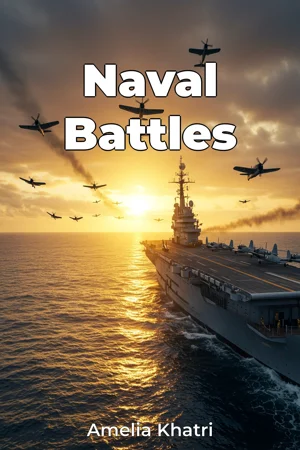
About This Book
Have you ever wondered how a single naval battle could change the course of history? This book, Naval Battles, delves into the pivotal clashes that shaped warfare and determined the fate of nations, from the age of sail to the modern era. We explore not only the tactics and technology of these engagements but also their profound political, economic, and social consequences. Naval warfare has consistently driven innovation, influenced international relations, and redefined the balance of power. Understanding these battles is crucial to grasping the trajectory of modern history. This book analyzes a wide range of naval engagements, focusing on key battles such as Trafalgar, Jutland, and Midway. Trafalgar exemplifies the dominance of British naval power in the Napoleonic era and secured Britain’s control of the seas. Jutland reveals the strategic and technological challenges of naval warfare in the early 20th century, highlighting the clash between dreadnought battleships. Midway, a decisive victory for the United States against Japan during World War II, demonstrates the critical role of aircraft carriers in modern naval combat. By examining these specific battles, we illustrate broader trends in naval warfare, technological evolution, and strategic thinking. The historical context for these battles is crucial. The book will explore the political climate, economic factors, and technological advancements that preceded each conflict. Naval Battles argues that naval warfare is more than just ships and sailors; it's a complex interplay of strategy, technology, and national will. The book is structured to provide a comprehensive understanding of naval history. It begins by introducing the fundamental concepts of naval warfare, including ship design, naval strategy, and the impact of technology. It then proceeds chronologically, examining key battles across different eras. For each battle, we analyze the strategic context, the opposing forces, the key decisions made by commanders, and the immediate and long-term consequences. We also include accounts from primary sources such as sailors' letters, ship logs, and official reports. Finally, the book concludes by considering the future of naval warfare in an era of rapidly evolving technology, highlighting the enduring relevance of historical lessons. Extensive research supports the analysis in this book. We draw upon primary sources from naval archives, historical records, and eyewitness accounts. We also incorporate the latest scholarship in naval history, military strategy, and international relations. The book connects to other fields such as political science, economics, and technology studies by demonstrating how naval power shapes global trade, influences diplomatic relations, and drives technological innovation. Naval Battles offers a unique perspective by focusing on the human element of naval warfare. It examines the lives of the sailors, officers, and political leaders who shaped these battles. The book is written in an accessible style suitable for both scholars and general readers with an interest in military history. The target audience for this book includes history enthusiasts, military history buffs, students of international relations, and anyone interested in understanding the impact of naval power on world events. This book offers valuable insights into the strategic thinking, technological innovation, and human drama of naval warfare. The scope of the book is global, covering naval battles from different regions and time periods, but it focuses primarily on Western naval powers. The book also touches upon the ongoing debates about the relative importance of different types of naval vessels, the role of technology in naval warfare, and the future of naval power in a multipolar world. By examining these controversies, the book encourages readers to think critically about the lessons of naval history and their relevance to contemporary challenges.
Have you ever wondered how a single naval battle could change the course of history? This book, Naval Battles, delves into the pivotal clashes that shaped warfare and determined the fate of nations, from the age of sail to the modern era. We explore not only the tactics and technology of these engagements but also their profound political, economic, and social consequences. Naval warfare has consistently driven innovation, influenced international relations, and redefined the balance of power. Understanding these battles is crucial to grasping the trajectory of modern history. This book analyzes a wide range of naval engagements, focusing on key battles such as Trafalgar, Jutland, and Midway. Trafalgar exemplifies the dominance of British naval power in the Napoleonic era and secured Britain’s control of the seas. Jutland reveals the strategic and technological challenges of naval warfare in the early 20th century, highlighting the clash between dreadnought battleships. Midway, a decisive victory for the United States against Japan during World War II, demonstrates the critical role of aircraft carriers in modern naval combat. By examining these specific battles, we illustrate broader trends in naval warfare, technological evolution, and strategic thinking. The historical context for these battles is crucial. The book will explore the political climate, economic factors, and technological advancements that preceded each conflict. Naval Battles argues that naval warfare is more than just ships and sailors; it's a complex interplay of strategy, technology, and national will. The book is structured to provide a comprehensive understanding of naval history. It begins by introducing the fundamental concepts of naval warfare, including ship design, naval strategy, and the impact of technology. It then proceeds chronologically, examining key battles across different eras. For each battle, we analyze the strategic context, the opposing forces, the key decisions made by commanders, and the immediate and long-term consequences. We also include accounts from primary sources such as sailors' letters, ship logs, and official reports. Finally, the book concludes by considering the future of naval warfare in an era of rapidly evolving technology, highlighting the enduring relevance of historical lessons. Extensive research supports the analysis in this book. We draw upon primary sources from naval archives, historical records, and eyewitness accounts. We also incorporate the latest scholarship in naval history, military strategy, and international relations. The book connects to other fields such as political science, economics, and technology studies by demonstrating how naval power shapes global trade, influences diplomatic relations, and drives technological innovation. Naval Battles offers a unique perspective by focusing on the human element of naval warfare. It examines the lives of the sailors, officers, and political leaders who shaped these battles. The book is written in an accessible style suitable for both scholars and general readers with an interest in military history. The target audience for this book includes history enthusiasts, military history buffs, students of international relations, and anyone interested in understanding the impact of naval power on world events. This book offers valuable insights into the strategic thinking, technological innovation, and human drama of naval warfare. The scope of the book is global, covering naval battles from different regions and time periods, but it focuses primarily on Western naval powers. The book also touches upon the ongoing debates about the relative importance of different types of naval vessels, the role of technology in naval warfare, and the future of naval power in a multipolar world. By examining these controversies, the book encourages readers to think critically about the lessons of naval history and their relevance to contemporary challenges.
"Naval Battles" explores pivotal sea clashes that have shaped warfare and the destinies of nations. From the age of sail to modern times, the book examines naval engagements and their profound political, economic, and social impacts. Naval warfare has consistently spurred innovation, influenced international relations, and redefined power balances, making an understanding of these battles crucial for grasping modern history. For example, one might consider that the Battle of Trafalgar secured Britain's control of the seas during the Napoleonic era, highlighting the power of naval dominance. The book analyzes key battles like Trafalgar, Jutland, and Midway, illustrating broader trends in naval warfare and strategic thinking. It dives into the historical context of each battle, exploring the political climate, economic factors, and technological advancements that preceded the conflicts. The text introduces fundamental concepts of naval warfare, progresses chronologically through key battles, and concludes by considering the future of naval warfare in a rapidly evolving technological landscape. Naval battles are revealed to be more than just ships and sailors; they represent a complex interaction of strategy, technology, and national will.
Book Details
ISBN
9788233966843
Publisher
Publifye AS
Your Licenses
You don't own any licenses for this book
Purchase a license below to unlock this book and download the EPUB.
Purchase License
Select a tier to unlock this book
Need bulk licensing?
Contact us for enterprise agreements.