
About This Book
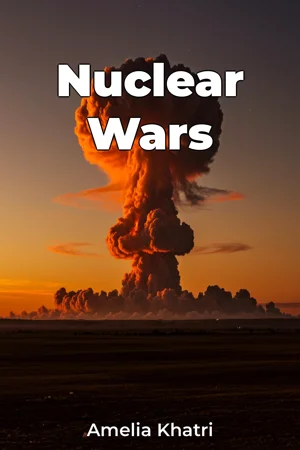
Could humanity inadvertently engineer its own extinction? "Nuclear Wars" explores the multifaceted threat of nuclear conflict, examining its historical roots, devastating consequences, and ongoing relevance in the 21st century. This book delves into the chilling history of nuclear weapons, from their initial development and testing to the precarious balance of power maintained during the Cold War, and the persistent risk of proliferation and accidental detonation. Understanding these dynamics is crucial for anyone seeking to comprehend the complex challenges facing global security today. This book presents a comprehensive analysis of the nuclear landscape, arguing that while the Cold War may be over, the danger of nuclear war remains a grave concern. It examines the evolution of nuclear weapons technology, the strategic doctrines that governed their use, and the near misses that brought the world to the brink of annihilation. The book scrutinizes the political and social factors that fueled the arms race, and assesses the impact of nuclear testing on the environment and human health. The narrative unfolds in three major sections. First, it establishes the scientific and historical foundation, tracing the development of atomic weapons and the early debates surrounding their use. Second, it analyzes the Cold War arms race, detailing the strategies of deterrence, the proxy wars that defined the era, and the various treaties and agreements designed to limit nuclear proliferation. Each major point incorporates case studies of documented nuclear close calls. Third, it examines the contemporary nuclear landscape, assessing the risks posed by rogue states, terrorist groups, and the potential for cyber warfare to trigger a nuclear exchange. The arguments presented are supported by extensive research, drawing on declassified government documents, scientific studies, military analyses, and firsthand accounts from individuals who lived through the nuclear age. Statistical data on weapons stockpiles, test sites, and health outcomes are meticulously analyzed to provide a clear and objective assessment of the risks. "Nuclear Wars" connects to various fields, including political science, international relations, and environmental studies. It explores the psychological impact of living under the threat of nuclear annihilation, the economic costs of maintaining massive arsenals, and the ethical dilemmas posed by the existence of weapons capable of destroying civilization. This book stands apart by adopting a multidisciplinary approach, combining technical analysis with historical narrative and political commentary, offering a holistic understanding of the nuclear threat. The tone is measured and analytical, avoiding sensationalism while underscoring the urgency of addressing this critical issue. The target audience includes students of history, political science, and international relations, as well as policymakers, journalists, and concerned citizens seeking a deeper understanding of nuclear weapons and their implications. Providing a balanced, well-researched account of the history, technology, and politics of nuclear warfare offers value to readers of all backgrounds. Acknowledging the genre of military history, the book will provide detailed accounts of military strategy and technological developments. The scope of "Nuclear Wars" is global, examining the nuclear policies of various nations and the international organizations that seek to regulate them. While it acknowledges the complexities of nuclear deterrence theory, it avoids getting bogged down in overly technical debates, focusing instead on the broader implications for human security. The book will address ongoing debates about nuclear disarmament, arms control, and the role of nuclear weapons in maintaining global stability. It will present these issues fairly, acknowledging different perspectives and offering a balanced assessment of the available evidence.
Could humanity inadvertently engineer its own extinction? "Nuclear Wars" explores the multifaceted threat of nuclear conflict, examining its historical roots, devastating consequences, and ongoing relevance in the 21st century. This book delves into the chilling history of nuclear weapons, from their initial development and testing to the precarious balance of power maintained during the Cold War, and the persistent risk of proliferation and accidental detonation. Understanding these dynamics is crucial for anyone seeking to comprehend the complex challenges facing global security today. This book presents a comprehensive analysis of the nuclear landscape, arguing that while the Cold War may be over, the danger of nuclear war remains a grave concern. It examines the evolution of nuclear weapons technology, the strategic doctrines that governed their use, and the near misses that brought the world to the brink of annihilation. The book scrutinizes the political and social factors that fueled the arms race, and assesses the impact of nuclear testing on the environment and human health. The narrative unfolds in three major sections. First, it establishes the scientific and historical foundation, tracing the development of atomic weapons and the early debates surrounding their use. Second, it analyzes the Cold War arms race, detailing the strategies of deterrence, the proxy wars that defined the era, and the various treaties and agreements designed to limit nuclear proliferation. Each major point incorporates case studies of documented nuclear close calls. Third, it examines the contemporary nuclear landscape, assessing the risks posed by rogue states, terrorist groups, and the potential for cyber warfare to trigger a nuclear exchange. The arguments presented are supported by extensive research, drawing on declassified government documents, scientific studies, military analyses, and firsthand accounts from individuals who lived through the nuclear age. Statistical data on weapons stockpiles, test sites, and health outcomes are meticulously analyzed to provide a clear and objective assessment of the risks. "Nuclear Wars" connects to various fields, including political science, international relations, and environmental studies. It explores the psychological impact of living under the threat of nuclear annihilation, the economic costs of maintaining massive arsenals, and the ethical dilemmas posed by the existence of weapons capable of destroying civilization. This book stands apart by adopting a multidisciplinary approach, combining technical analysis with historical narrative and political commentary, offering a holistic understanding of the nuclear threat. The tone is measured and analytical, avoiding sensationalism while underscoring the urgency of addressing this critical issue. The target audience includes students of history, political science, and international relations, as well as policymakers, journalists, and concerned citizens seeking a deeper understanding of nuclear weapons and their implications. Providing a balanced, well-researched account of the history, technology, and politics of nuclear warfare offers value to readers of all backgrounds. Acknowledging the genre of military history, the book will provide detailed accounts of military strategy and technological developments. The scope of "Nuclear Wars" is global, examining the nuclear policies of various nations and the international organizations that seek to regulate them. While it acknowledges the complexities of nuclear deterrence theory, it avoids getting bogged down in overly technical debates, focusing instead on the broader implications for human security. The book will address ongoing debates about nuclear disarmament, arms control, and the role of nuclear weapons in maintaining global stability. It will present these issues fairly, acknowledging different perspectives and offering a balanced assessment of the available evidence.
"Nuclear Wars" provides a comprehensive exploration of the persistent threat of nuclear conflict, examining its origins, consequences, and relevance in the 21st century. The book delves into the history of nuclear weapons, highlighting the precarious balance maintained during the Cold War and the ongoing risk of proliferation. One intriguing fact is the numerous near-misses that brought the world to the brink of nuclear annihilation, underscoring the importance of understanding these dynamics for global security. The narrative progresses chronologically, starting with the development of atomic weapons and ending with an assessment of contemporary nuclear risks. The book analyzes the Cold War arms race, strategic doctrines, and treaties designed to limit nuclear proliferation. It also scrutinizes the political and social factors that fueled the arms race. A key insight involves the psychological impact of living under the threat of nuclear annihilation. The book adopts a multidisciplinary approach, combining technical analysis with historical narrative and political commentary, thereby presenting a holistic understanding of the nuclear threat and its implications for international relations and military strategy.
Book Details
ISBN
9788233966836
Publisher
Publifye AS
Your Licenses
You don't own any licenses for this book
Purchase a license below to unlock this book and download the EPUB.
Purchase License
Select a tier to unlock this book
Need bulk licensing?
Contact us for enterprise agreements.