
About This Book
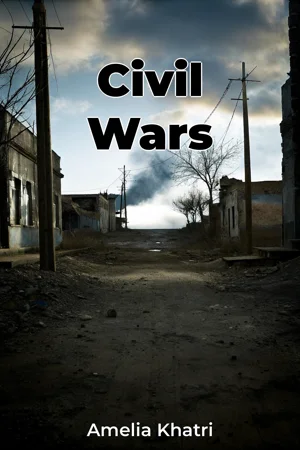
Why do nations turn against themselves? This book, 'Civil Wars,' delves into the heart of internal conflicts that have shaped and shattered societies across the globe, from the 19th century to the present day. We will explore how the convergence of political instability, socioeconomic disparities, and ideological clashes ignites the flames of civil war, examining not only the immediate causes but also the long-lasting consequences. A primary focus will be on understanding the anatomy of escalation. We analyze the pathways through which simmering tensions devolve into open warfare, examining the roles of state failure, elite manipulation, and the mobilization of ethnic or religious identities. The book will underscore the importance of recognizing early warning signs and understanding the dynamics of radicalization to prevent future conflicts. A second major topic will be the devastating human cost of civil wars. Beyond the battlefield deaths, we will explore the widespread displacement, famine, disease, and psychological trauma that affect civilian populations for generations. This includes investigating the use of sexual violence as a weapon of war, the recruitment of child soldiers, and the destruction of vital infrastructure. Further, the book will analyze the challenges of post-conflict reconstruction, including reconciliation efforts, transitional justice mechanisms, and the rebuilding of political and economic institutions. 'Civil Wars' argues that these conflicts are not random occurrences, but rather the product of specific historical, social, and political conditions. A central thesis is that the legacy of colonialism, Cold War proxy conflicts, and the rise of globalization have all contributed to the prevalence and intensity of civil wars in the modern era. Understanding the drivers of these conflicts is crucial for developing effective strategies for conflict prevention and resolution. The book is structured to provide a comprehensive overview of civil wars. First, it introduces key concepts and theoretical frameworks for understanding internal conflict. Second, it presents detailed case studies of several of the deadliest civil wars in history, including the American Civil War, the Russian Civil War, the Spanish Civil War, the Chinese Civil War, and more recent conflicts in Rwanda, the former Yugoslavia, and Syria. These case studies will illustrate the diverse causes, dynamics, and consequences of civil wars in different contexts. Third, the book analyzes the role of international actors in civil wars, including foreign intervention, peacekeeping operations, and humanitarian aid. Finally, it examines the challenges of post-conflict peacebuilding and offers policy recommendations for preventing future conflicts. The analysis will draw upon a wide range of sources, including historical archives, firsthand accounts, statistical data, and scholarly research. The book will also incorporate insights from political science, sociology, economics, and anthropology to provide a multidisciplinary perspective on civil wars. The book's approach is rooted in comparative historical analysis, but it also connects to contemporary debates about global security, human rights, and international development. It offers a fresh perspective by highlighting the common patterns and underlying causes of civil wars across different regions and time periods. Ultimately, the book aims to provide a balanced and nuanced account of civil wars, avoiding simplistic explanations and acknowledging the complexity of these conflicts. The tone is academic but accessible, aiming to engage both scholars and general readers interested in understanding the causes and consequences of internal conflict. This work is intended for students, policymakers, and anyone seeking a deeper understanding of the forces that drive nations to war within themselves. The book’s scope is limited to large-scale internal conflicts but offers relevant insights into smaller-scale conflicts. The information can be applied to inform policy decisions, support humanitarian efforts, and promote peacebuilding initiatives in conflict-affected regions. The book will also address ongoing debates about the responsibility to protect civilians in armed conflicts and the role of international law in regulating the conduct of warfare.
Why do nations turn against themselves? This book, 'Civil Wars,' delves into the heart of internal conflicts that have shaped and shattered societies across the globe, from the 19th century to the present day. We will explore how the convergence of political instability, socioeconomic disparities, and ideological clashes ignites the flames of civil war, examining not only the immediate causes but also the long-lasting consequences. A primary focus will be on understanding the anatomy of escalation. We analyze the pathways through which simmering tensions devolve into open warfare, examining the roles of state failure, elite manipulation, and the mobilization of ethnic or religious identities. The book will underscore the importance of recognizing early warning signs and understanding the dynamics of radicalization to prevent future conflicts. A second major topic will be the devastating human cost of civil wars. Beyond the battlefield deaths, we will explore the widespread displacement, famine, disease, and psychological trauma that affect civilian populations for generations. This includes investigating the use of sexual violence as a weapon of war, the recruitment of child soldiers, and the destruction of vital infrastructure. Further, the book will analyze the challenges of post-conflict reconstruction, including reconciliation efforts, transitional justice mechanisms, and the rebuilding of political and economic institutions. 'Civil Wars' argues that these conflicts are not random occurrences, but rather the product of specific historical, social, and political conditions. A central thesis is that the legacy of colonialism, Cold War proxy conflicts, and the rise of globalization have all contributed to the prevalence and intensity of civil wars in the modern era. Understanding the drivers of these conflicts is crucial for developing effective strategies for conflict prevention and resolution. The book is structured to provide a comprehensive overview of civil wars. First, it introduces key concepts and theoretical frameworks for understanding internal conflict. Second, it presents detailed case studies of several of the deadliest civil wars in history, including the American Civil War, the Russian Civil War, the Spanish Civil War, the Chinese Civil War, and more recent conflicts in Rwanda, the former Yugoslavia, and Syria. These case studies will illustrate the diverse causes, dynamics, and consequences of civil wars in different contexts. Third, the book analyzes the role of international actors in civil wars, including foreign intervention, peacekeeping operations, and humanitarian aid. Finally, it examines the challenges of post-conflict peacebuilding and offers policy recommendations for preventing future conflicts. The analysis will draw upon a wide range of sources, including historical archives, firsthand accounts, statistical data, and scholarly research. The book will also incorporate insights from political science, sociology, economics, and anthropology to provide a multidisciplinary perspective on civil wars. The book's approach is rooted in comparative historical analysis, but it also connects to contemporary debates about global security, human rights, and international development. It offers a fresh perspective by highlighting the common patterns and underlying causes of civil wars across different regions and time periods. Ultimately, the book aims to provide a balanced and nuanced account of civil wars, avoiding simplistic explanations and acknowledging the complexity of these conflicts. The tone is academic but accessible, aiming to engage both scholars and general readers interested in understanding the causes and consequences of internal conflict. This work is intended for students, policymakers, and anyone seeking a deeper understanding of the forces that drive nations to war within themselves. The book’s scope is limited to large-scale internal conflicts but offers relevant insights into smaller-scale conflicts. The information can be applied to inform policy decisions, support humanitarian efforts, and promote peacebuilding initiatives in conflict-affected regions. The book will also address ongoing debates about the responsibility to protect civilians in armed conflicts and the role of international law in regulating the conduct of warfare.
"Civil Wars" explores the complex phenomenon of nations turning against themselves, examining the root causes and devastating consequences of internal conflicts throughout history. From the American Civil War to more recent crises in Rwanda and Syria, the book analyzes how political instability, socioeconomic disparities, and ideological clashes converge to ignite these conflicts. It highlights the critical role of state failure and elite manipulation in escalating tensions, emphasizing the importance of understanding early warning signs to prevent future outbreaks of violence. A key insight is that civil wars are not random, but stem from specific historical, social, and political conditions, including legacies of colonialism and Cold War proxy conflicts. The book also delves into the immense human cost, detailing displacement, famine, and psychological trauma suffered by civilian populations. It progresses by introducing key concepts, presenting detailed case studies, and analyzing the role of international actors and challenges of post-conflict peacebuilding. By drawing on diverse sources and offering a multidisciplinary perspective, "Civil Wars" provides a balanced account of these complex events, offering valuable insights for policymakers, scholars, and anyone seeking a deeper understanding of the forces driving internal conflict across the globe.
Book Details
ISBN
9788233966829
Publisher
Publifye AS
Your Licenses
You don't own any licenses for this book
Purchase a license below to unlock this book and download the EPUB.
Purchase License
Select a tier to unlock this book
Need bulk licensing?
Contact us for enterprise agreements.