
About This Book
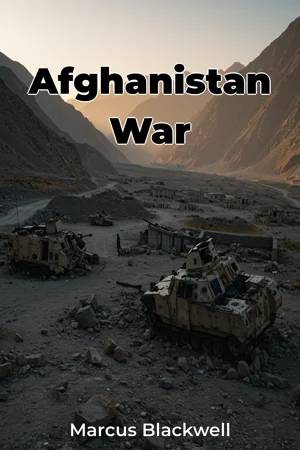
What began as a Cold War proxy conflict evolved into the longest war in modern American history, leaving an indelible mark on Afghanistan, the United States, and the global geopolitical landscape. This book, "Afghanistan War," delves into the multifaceted history of this protracted conflict, from the 1979 Soviet invasion to the 2021 U.S. withdrawal, offering a comprehensive account of its origins, evolution, and lasting consequences. This book undertakes a detailed examination of three key interconnected themes: the legacy of foreign intervention in Afghanistan, the complexities of insurgency and counterinsurgency warfare in the Afghan context, and the socio-political ramifications of the war on both Afghanistan and the involved international actors. Understanding these themes is crucial for comprehending the dynamics of modern conflict and the challenges of nation-building in fractured societies. This history is vital not only for academics and policymakers, but for any reader seeking to understand the contemporary world. To fully appreciate the Afghanistan War's intricacies, a basic understanding of Cold War politics, the history of Afghanistan as a crossroads of empires, and the rise of Islamist movements is beneficial but not required, as the book provides necessary background information. The central argument posits that the Afghanistan War exemplifies the limitations of military power in achieving political objectives, particularly in environments characterized by deep-seated social divisions, external interference, and a resilient insurgency. Despite significant military and financial investments, the war failed to achieve its stated goals of stabilizing Afghanistan and eradicating terrorism, highlighting the critical importance of understanding local contexts and the unintended consequences of interventionist policies. The book is divided into several key sections. It begins by examining the historical context, tracing Afghanistan's history of foreign interference and internal strife, setting the stage for the Soviet invasion. It analyzes the Soviet-Afghan War, exploring the rise of the Mujahideen and the role of external support in fueling the conflict. The book then transitions to the post-Soviet era, detailing the rise of the Taliban and the conditions that led to the U.S.-led invasion in 2001. A significant portion focuses on the U.S. war in Afghanistan, analyzing military strategies, political objectives, and the challenges of nation-building. The book culminates with an assessment of the war's legacy, examining its impact on Afghanistan, the region, and the United States, drawing lessons for future foreign policy interventions. The narrative relies on a diverse range of sources, including declassified government documents, military reports, journalistic accounts, academic studies, and interviews with participants from all sides of the conflict. Firsthand accounts from soldiers, diplomats, and Afghan citizens offer a human dimension to the historical analysis. The book draws connections to several other fields, including political science (examining state-building and foreign policy), sociology (analyzing social conflict and cultural dynamics), and economics (assessing the economic impact of war and reconstruction efforts). These interdisciplinary perspectives enrich the analysis and provide a more holistic understanding of the conflict. What sets this book apart is its focus on providing a balanced and nuanced perspective, avoiding simplistic narratives and offering a critical examination of the decision-making processes that shaped the war. It strives to present a comprehensive account that acknowledges the complexities and contradictions inherent in this historical event. The book employs a formal, academic style, adhering to the conventions of historical scholarship while remaining accessible to a broad audience. The writing is clear, concise, and objective, striving to present information in a factual and unbiased manner. The target audience includes students, scholars, policymakers, military professionals, and general readers interested in understanding the history of the Afghanistan War and its implications for contemporary global affairs. It serves as a valuable resource for anyone seeking a comprehensive and insightful account of this pivotal conflict. As a work of military and world history, the book aims to provide a detailed chronological account of the war, analyze key battles and campaigns, and assess the strategic and tactical decisions made by the various actors involved. It also explores the social, cultural, and political dimensions of the conflict, examining its impact on Afghan society and the broader international community. The book primarily focuses on the military and political dimensions of the Afghanistan War, with less emphasis on the cultural or anthropological aspects. While it acknowledges the complexities of Afghan society, its primary objective is to provide a comprehensive historical account of the conflict itself. The lessons learned from the Afghanistan War have practical applications for policymakers, military strategists, and anyone involved in international relations or conflict resolution. Understanding the failures and successes of the war can inform future interventions and promote more effective strategies for peacebuilding and development. The book engages with ongoing debates surrounding the war, including questions about the effectiveness of counterinsurgency strategies, the role of external actors in exacerbating conflict, and the long-term consequences of military intervention. It offers a critical assessment of these debates, providing a balanced perspective that acknowledges the complexities and uncertainties involved.
What began as a Cold War proxy conflict evolved into the longest war in modern American history, leaving an indelible mark on Afghanistan, the United States, and the global geopolitical landscape. This book, "Afghanistan War," delves into the multifaceted history of this protracted conflict, from the 1979 Soviet invasion to the 2021 U.S. withdrawal, offering a comprehensive account of its origins, evolution, and lasting consequences. This book undertakes a detailed examination of three key interconnected themes: the legacy of foreign intervention in Afghanistan, the complexities of insurgency and counterinsurgency warfare in the Afghan context, and the socio-political ramifications of the war on both Afghanistan and the involved international actors. Understanding these themes is crucial for comprehending the dynamics of modern conflict and the challenges of nation-building in fractured societies. This history is vital not only for academics and policymakers, but for any reader seeking to understand the contemporary world. To fully appreciate the Afghanistan War's intricacies, a basic understanding of Cold War politics, the history of Afghanistan as a crossroads of empires, and the rise of Islamist movements is beneficial but not required, as the book provides necessary background information. The central argument posits that the Afghanistan War exemplifies the limitations of military power in achieving political objectives, particularly in environments characterized by deep-seated social divisions, external interference, and a resilient insurgency. Despite significant military and financial investments, the war failed to achieve its stated goals of stabilizing Afghanistan and eradicating terrorism, highlighting the critical importance of understanding local contexts and the unintended consequences of interventionist policies. The book is divided into several key sections. It begins by examining the historical context, tracing Afghanistan's history of foreign interference and internal strife, setting the stage for the Soviet invasion. It analyzes the Soviet-Afghan War, exploring the rise of the Mujahideen and the role of external support in fueling the conflict. The book then transitions to the post-Soviet era, detailing the rise of the Taliban and the conditions that led to the U.S.-led invasion in 2001. A significant portion focuses on the U.S. war in Afghanistan, analyzing military strategies, political objectives, and the challenges of nation-building. The book culminates with an assessment of the war's legacy, examining its impact on Afghanistan, the region, and the United States, drawing lessons for future foreign policy interventions. The narrative relies on a diverse range of sources, including declassified government documents, military reports, journalistic accounts, academic studies, and interviews with participants from all sides of the conflict. Firsthand accounts from soldiers, diplomats, and Afghan citizens offer a human dimension to the historical analysis. The book draws connections to several other fields, including political science (examining state-building and foreign policy), sociology (analyzing social conflict and cultural dynamics), and economics (assessing the economic impact of war and reconstruction efforts). These interdisciplinary perspectives enrich the analysis and provide a more holistic understanding of the conflict. What sets this book apart is its focus on providing a balanced and nuanced perspective, avoiding simplistic narratives and offering a critical examination of the decision-making processes that shaped the war. It strives to present a comprehensive account that acknowledges the complexities and contradictions inherent in this historical event. The book employs a formal, academic style, adhering to the conventions of historical scholarship while remaining accessible to a broad audience. The writing is clear, concise, and objective, striving to present information in a factual and unbiased manner. The target audience includes students, scholars, policymakers, military professionals, and general readers interested in understanding the history of the Afghanistan War and its implications for contemporary global affairs. It serves as a valuable resource for anyone seeking a comprehensive and insightful account of this pivotal conflict. As a work of military and world history, the book aims to provide a detailed chronological account of the war, analyze key battles and campaigns, and assess the strategic and tactical decisions made by the various actors involved. It also explores the social, cultural, and political dimensions of the conflict, examining its impact on Afghan society and the broader international community. The book primarily focuses on the military and political dimensions of the Afghanistan War, with less emphasis on the cultural or anthropological aspects. While it acknowledges the complexities of Afghan society, its primary objective is to provide a comprehensive historical account of the conflict itself. The lessons learned from the Afghanistan War have practical applications for policymakers, military strategists, and anyone involved in international relations or conflict resolution. Understanding the failures and successes of the war can inform future interventions and promote more effective strategies for peacebuilding and development. The book engages with ongoing debates surrounding the war, including questions about the effectiveness of counterinsurgency strategies, the role of external actors in exacerbating conflict, and the long-term consequences of military intervention. It offers a critical assessment of these debates, providing a balanced perspective that acknowledges the complexities and uncertainties involved.
"Afghanistan War" offers a comprehensive exploration of the conflict from the 1979 Soviet invasion to the 2021 U.S. withdrawal, emphasizing the complexities of foreign intervention, insurgency, and the war's profound socio-political consequences. The book examines how a Cold War proxy battle transformed into the longest war in modern American history, leaving an enduring impact on Afghanistan and the world. It highlights the limitations of military power in achieving political objectives amidst social divisions and external meddling, despite significant investment. The book traces the history of Afghanistan, examining foreign interference and internal conflicts setting the stage for the Soviet invasion. It analyzes the Soviet-Afghan War, the rise of the Mujahideen, and external support. Progressing into the post-Soviet era, it details the Taliban's rise and the subsequent U.S.-led invasion, focusing on military strategies, political objectives, and the challenges of nation-building. The study concludes by evaluating the war's lasting impact on Afghanistan, the region, and the United States, providing lessons for future foreign policy interventions.
Book Details
ISBN
9788233966805
Publisher
Publifye AS
Your Licenses
You don't own any licenses for this book
Purchase a license below to unlock this book and download the EPUB.
Purchase License
Select a tier to unlock this book
Need bulk licensing?
Contact us for enterprise agreements.