
About This Book
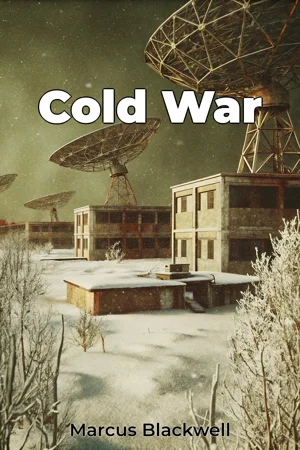
Did the world truly teeter on the brink of nuclear annihilation for nearly half a century? This book, *Cold War*, delves into the complex and often terrifying realities of the geopolitical struggle that defined the latter half of the 20th century. We will explore not only the overt tensions between the United States and the Soviet Union but also the subtle, pervasive impact of their rivalry on global politics, culture, and individual lives. The central topics of this book are the ideological clash between capitalism and communism, the proliferation of nuclear weapons and the ever-present threat of mutually assured destruction, and the numerous proxy wars fought across the globe, from Korea and Vietnam to Afghanistan and Angola. Understanding the Cold War is crucial because its legacy continues to shape international relations today, influencing everything from nuclear non-proliferation efforts to the ongoing conflicts in various regions. To fully grasp the Cold War, one must understand the historical context from which it emerged. The devastation of World War II left the United States and the Soviet Union as the two dominant superpowers, each with vastly different visions for the future world order. The book examines the origins of these diverging ideologies, tracing their roots to the economic and political theories of capitalism and communism. It also explores how the wartime alliance between the U.S. and the USSR quickly dissolved into suspicion and animosity as each nation sought to expand its sphere of influence. The central argument of this book is that the Cold War was not merely a series of political and military events, but a fundamental struggle over the very definition of human freedom and societal organization. Understanding this ideological dimension is essential for comprehending the motivations and actions of both sides. This book unfolds chronologically, beginning with the immediate aftermath of World War II and the emergence of the Iron Curtain. It then examines the key events and crises that defined the Cold War, including the Berlin Blockade, the Korean War, the Cuban Missile Crisis, and the Vietnam War. Each chapter will analyze the specific historical context, the key players involved, and the broader implications for the global balance of power. In addition to these major events, the book also explores the covert operations, espionage, and propaganda campaigns that characterized the Cold War. The final sections of the book analyze the factors that led to the collapse of the Soviet Union and the end of the Cold War, as well as the lasting impact of this era on contemporary international relations. The evidence presented in this book is drawn from a wide range of sources, including declassified government documents, archival materials, personal memoirs, and scholarly research. It incorporates diverse perspectives, including those of policymakers, military leaders, diplomats, and ordinary citizens from both the East and West. The Cold War connects to other fields, particularly international relations, political science, and military history. Analyzing the Cold War also enhances our understanding of economics, specifically the differing approaches between planned and market economies. This book also touches upon the effects of prolonged conflict on culture and society. This book offers a comprehensive and nuanced analysis of the Cold War, moving beyond simplistic narratives of good versus evil. The tone is academic yet accessible, aiming to inform and engage a broad audience of students, researchers, and anyone interested in understanding this pivotal period in world history. The target audience includes students of history, political science, and international relations, as well as general readers interested in learning more about the Cold War. This book is valuable because it provides a clear and concise overview of a complex and multifaceted subject, offering fresh insights and perspectives. As a work of history, this book prioritizes factual accuracy, objectivity, and thorough research. While the scope of this book is global, focusing on the major events and players, it acknowledges that the experiences of individuals varied greatly depending on their location and circumstances. The insights gleaned from the Cold War have real-world applications, particularly in understanding current geopolitical tensions, such as the ongoing conflicts in various regions. By analyzing the successes and failures of Cold War diplomacy, we can gain valuable lessons for navigating the challenges of the 21st century. Finally, the topic of Soviet collapse is still contested by historians and political scientists. This book will address some of those issues.
Did the world truly teeter on the brink of nuclear annihilation for nearly half a century? This book, *Cold War*, delves into the complex and often terrifying realities of the geopolitical struggle that defined the latter half of the 20th century. We will explore not only the overt tensions between the United States and the Soviet Union but also the subtle, pervasive impact of their rivalry on global politics, culture, and individual lives. The central topics of this book are the ideological clash between capitalism and communism, the proliferation of nuclear weapons and the ever-present threat of mutually assured destruction, and the numerous proxy wars fought across the globe, from Korea and Vietnam to Afghanistan and Angola. Understanding the Cold War is crucial because its legacy continues to shape international relations today, influencing everything from nuclear non-proliferation efforts to the ongoing conflicts in various regions. To fully grasp the Cold War, one must understand the historical context from which it emerged. The devastation of World War II left the United States and the Soviet Union as the two dominant superpowers, each with vastly different visions for the future world order. The book examines the origins of these diverging ideologies, tracing their roots to the economic and political theories of capitalism and communism. It also explores how the wartime alliance between the U.S. and the USSR quickly dissolved into suspicion and animosity as each nation sought to expand its sphere of influence. The central argument of this book is that the Cold War was not merely a series of political and military events, but a fundamental struggle over the very definition of human freedom and societal organization. Understanding this ideological dimension is essential for comprehending the motivations and actions of both sides. This book unfolds chronologically, beginning with the immediate aftermath of World War II and the emergence of the Iron Curtain. It then examines the key events and crises that defined the Cold War, including the Berlin Blockade, the Korean War, the Cuban Missile Crisis, and the Vietnam War. Each chapter will analyze the specific historical context, the key players involved, and the broader implications for the global balance of power. In addition to these major events, the book also explores the covert operations, espionage, and propaganda campaigns that characterized the Cold War. The final sections of the book analyze the factors that led to the collapse of the Soviet Union and the end of the Cold War, as well as the lasting impact of this era on contemporary international relations. The evidence presented in this book is drawn from a wide range of sources, including declassified government documents, archival materials, personal memoirs, and scholarly research. It incorporates diverse perspectives, including those of policymakers, military leaders, diplomats, and ordinary citizens from both the East and West. The Cold War connects to other fields, particularly international relations, political science, and military history. Analyzing the Cold War also enhances our understanding of economics, specifically the differing approaches between planned and market economies. This book also touches upon the effects of prolonged conflict on culture and society. This book offers a comprehensive and nuanced analysis of the Cold War, moving beyond simplistic narratives of good versus evil. The tone is academic yet accessible, aiming to inform and engage a broad audience of students, researchers, and anyone interested in understanding this pivotal period in world history. The target audience includes students of history, political science, and international relations, as well as general readers interested in learning more about the Cold War. This book is valuable because it provides a clear and concise overview of a complex and multifaceted subject, offering fresh insights and perspectives. As a work of history, this book prioritizes factual accuracy, objectivity, and thorough research. While the scope of this book is global, focusing on the major events and players, it acknowledges that the experiences of individuals varied greatly depending on their location and circumstances. The insights gleaned from the Cold War have real-world applications, particularly in understanding current geopolitical tensions, such as the ongoing conflicts in various regions. By analyzing the successes and failures of Cold War diplomacy, we can gain valuable lessons for navigating the challenges of the 21st century. Finally, the topic of Soviet collapse is still contested by historians and political scientists. This book will address some of those issues.
The *Cold War* explores the decades-long geopolitical standoff between the United States and the Soviet Union, examining its profound influence on global politics and individual lives. This pivotal period witnessed an ideological battle between capitalism and communism, the looming threat of nuclear annihilation, and numerous proxy wars across the globe. Understanding the Cold War is crucial because its legacy shapes international relations even today, influencing nuclear non-proliferation efforts and ongoing conflicts. Intriguingly, the world truly teetered on the brink of nuclear war for nearly half a century, a stark reminder of the era's precariousness. The book chronologically unfolds, starting from the aftermath of World War II and the emergence of the Iron Curtain, progressing through key events like the Berlin Blockade, the Korean War, and the Cuban Missile Crisis. It analyzes the historical context, key players, and broader implications for the global balance of power. Beyond major events, the book delves into covert operations, espionage, and propaganda, providing a nuanced analysis that moves beyond simplistic narratives. The book’s approach incorporates diverse perspectives, including policymakers, military leaders, and ordinary citizens from both sides, offering a comprehensive view of this transformative era in world history.
Book Details
ISBN
9788233966768
Publisher
Publifye AS
Your Licenses
You don't own any licenses for this book
Purchase a license below to unlock this book and download the EPUB.
Purchase License
Select a tier to unlock this book
Need bulk licensing?
Contact us for enterprise agreements.