
About This Book
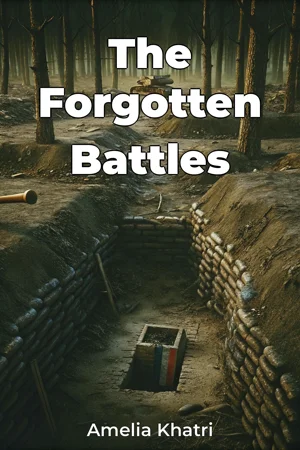
How many pivotal battles have faded from collective memory, their crucial impact on the outcomes of the World Wars obscured by larger, more publicized conflicts? This book, "The Forgotten Battles," shines a light on these overlooked engagements, revealing their significant contributions to the Allied and Axis war efforts, and ultimately to the world we know today. It argues that understanding these battles is essential to a complete comprehension of 20th-century history. We will address two key topics. First, the strategic importance of seemingly minor battles, demonstrating how they influenced resource allocation, troop movements, and the overall momentum of the war. Second, the human element of these battles, exploring the experiences of soldiers and civilians caught in the crossfire, whose stories have often been marginalized in traditional historical narratives. These topics are important because they challenge the conventional understanding of warfare, highlighting the interconnectedness of events and the often-unrecognized sacrifices made on the periphery of major campaigns. The book provides necessary historical and social context for each battle, examining the political climate, military doctrines, and technological advancements of the time. Readers should have a basic understanding of the causes and major events of World War I and World War II. The central argument is that the common narrative of both World Wars, focused primarily on widely known battles such as the Somme, Stalingrad, and Normandy, presents an incomplete and potentially skewed understanding of these conflicts. By examining the less-celebrated battles, a more nuanced and accurate picture emerges, revealing the critical role they played in shaping the overall course and consequences of each war. The book begins by introducing the concept of "forgotten battles" and establishing criteria for their selection, focusing on engagements whose significance has been underestimated or overlooked in mainstream historical accounts. It will then develop this idea by examining specific case studies from both World War I and World War II. For World War I, we will look at the Eastern Front battles beyond Tannenberg and the significance of the Salonika front. For World War II, the North African campaign beyond El Alamein, the China-Burma-India Theater, and the naval battles in the Pacific beyond Pearl Harbor and Midway will be analyzed. The book will culminate by synthesizing the lessons learned from these case studies, demonstrating how a deeper understanding of these battles can inform contemporary military strategy and international relations. The evidence presented will include primary source materials such as soldiers' letters, diaries, and official military records, as well as secondary sources including scholarly articles, historical analyses, and journalistic accounts. The book draws heavily on underutilized archival resources and features detailed maps and photographs to illustrate the battles' geographical and tactical dimensions. This book connects to other fields of study, including military strategy, political science, and social history. Understanding the strategic implications of these battles sheds light on the decision-making processes of political and military leaders. Examining the social impact of these conflicts on civilian populations enhances perspectives of historical events. A unique perspective involves applying systems thinking to analyze the complex interdependencies between different theaters of war, demonstrating how events in one seemingly isolated location could have far-reaching consequences for the entire conflict. The book adopts a fact-based, narrative non-fiction style, presenting complex historical information in a clear, engaging, and accessible manner. The target audience includes history enthusiasts, military history buffs, students of international relations, and anyone interested in gaining a more complete and nuanced understanding of the World Wars. This book will be valuable to them by providing fresh insights and perspectives on these pivotal events. As a work of history, "The Forgotten Battles" adheres to the conventions of rigorous research, accurate sourcing, and objective analysis. It avoids speculative or sensationalist claims and instead focuses on presenting a well-supported and balanced account of the events under investigation. The scope of the book is limited to battles in World War I and II that have been historically underreported or downplayed, but which had considerable impacts on the greater conflicts. Specifically, understanding the principles of resource allocation and strategic thinking gleaned from these battles can inform decision-making in various fields, from business management to international diplomacy. The book will address some existing debates among historians regarding the relative importance of different theaters of war and the factors that contributed to Allied victory.
How many pivotal battles have faded from collective memory, their crucial impact on the outcomes of the World Wars obscured by larger, more publicized conflicts? This book, "The Forgotten Battles," shines a light on these overlooked engagements, revealing their significant contributions to the Allied and Axis war efforts, and ultimately to the world we know today. It argues that understanding these battles is essential to a complete comprehension of 20th-century history. We will address two key topics. First, the strategic importance of seemingly minor battles, demonstrating how they influenced resource allocation, troop movements, and the overall momentum of the war. Second, the human element of these battles, exploring the experiences of soldiers and civilians caught in the crossfire, whose stories have often been marginalized in traditional historical narratives. These topics are important because they challenge the conventional understanding of warfare, highlighting the interconnectedness of events and the often-unrecognized sacrifices made on the periphery of major campaigns. The book provides necessary historical and social context for each battle, examining the political climate, military doctrines, and technological advancements of the time. Readers should have a basic understanding of the causes and major events of World War I and World War II. The central argument is that the common narrative of both World Wars, focused primarily on widely known battles such as the Somme, Stalingrad, and Normandy, presents an incomplete and potentially skewed understanding of these conflicts. By examining the less-celebrated battles, a more nuanced and accurate picture emerges, revealing the critical role they played in shaping the overall course and consequences of each war. The book begins by introducing the concept of "forgotten battles" and establishing criteria for their selection, focusing on engagements whose significance has been underestimated or overlooked in mainstream historical accounts. It will then develop this idea by examining specific case studies from both World War I and World War II. For World War I, we will look at the Eastern Front battles beyond Tannenberg and the significance of the Salonika front. For World War II, the North African campaign beyond El Alamein, the China-Burma-India Theater, and the naval battles in the Pacific beyond Pearl Harbor and Midway will be analyzed. The book will culminate by synthesizing the lessons learned from these case studies, demonstrating how a deeper understanding of these battles can inform contemporary military strategy and international relations. The evidence presented will include primary source materials such as soldiers' letters, diaries, and official military records, as well as secondary sources including scholarly articles, historical analyses, and journalistic accounts. The book draws heavily on underutilized archival resources and features detailed maps and photographs to illustrate the battles' geographical and tactical dimensions. This book connects to other fields of study, including military strategy, political science, and social history. Understanding the strategic implications of these battles sheds light on the decision-making processes of political and military leaders. Examining the social impact of these conflicts on civilian populations enhances perspectives of historical events. A unique perspective involves applying systems thinking to analyze the complex interdependencies between different theaters of war, demonstrating how events in one seemingly isolated location could have far-reaching consequences for the entire conflict. The book adopts a fact-based, narrative non-fiction style, presenting complex historical information in a clear, engaging, and accessible manner. The target audience includes history enthusiasts, military history buffs, students of international relations, and anyone interested in gaining a more complete and nuanced understanding of the World Wars. This book will be valuable to them by providing fresh insights and perspectives on these pivotal events. As a work of history, "The Forgotten Battles" adheres to the conventions of rigorous research, accurate sourcing, and objective analysis. It avoids speculative or sensationalist claims and instead focuses on presenting a well-supported and balanced account of the events under investigation. The scope of the book is limited to battles in World War I and II that have been historically underreported or downplayed, but which had considerable impacts on the greater conflicts. Specifically, understanding the principles of resource allocation and strategic thinking gleaned from these battles can inform decision-making in various fields, from business management to international diplomacy. The book will address some existing debates among historians regarding the relative importance of different theaters of war and the factors that contributed to Allied victory.
"The Forgotten Battles" examines overlooked yet pivotal military history events from World War I and World War II. It argues that focusing solely on well-known battles like the Somme or Stalingrad creates an incomplete understanding of 20th-century conflicts. The book highlights underreported battles, revealing their strategic importance in resource allocation and troop movements, ultimately influencing the Allied and Axis war efforts. A key insight involves understanding how seemingly isolated battles significantly impacted the entire conflict, demonstrating the interconnectedness of different war theaters. The book presents a narrative non-fiction account, drawing on primary sources such as soldiers' letters and military records. Beginning with the establishment of criteria for selecting these "forgotten battles," it delves into case studies from both World Wars. Examples include Eastern Front engagements beyond Tannenberg in WWI and the China-Burma-India Theater in WWII. By exploring the human element and providing social context, the book offers fresh perspectives valuable to history enthusiasts and students of military history.
Book Details
ISBN
9788233966737
Publisher
Publifye AS
Your Licenses
You don't own any licenses for this book
Purchase a license below to unlock this book and download the EPUB.
Purchase License
Select a tier to unlock this book
Need bulk licensing?
Contact us for enterprise agreements.