
About This Book
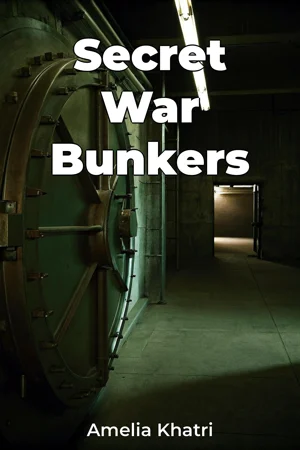
What if the decisions shaping global conflicts were made not on battlefields, but in clandestine chambers deep beneath the earth? "Secret War Bunkers" delves into the hidden world of underground facilities constructed for wartime strategy, defense, and nuclear planning, revealing the critical role these bunkers played in shaping modern history. This book examines how these subterranean complexes served as nerve centers for governments and military leaders during periods of intense global conflict, especially the Cold War. This exploration is vital because it sheds light on the psychological and strategic mindset of world leaders during times of extreme tension. Understanding the design, function, and purpose of these bunkers offers a unique perspective on how nations prepared for and sought to avert catastrophic events. “Secret War Bunkers” provides historical context by examining the evolution of bunker technology and strategic thinking from World War II through the Cold War and into the present day. It explores differing national approaches to civil defense and the development of increasingly sophisticated underground command and control centers. Prior knowledge of key events of these eras, such as the Berlin Blockade, Cuban Missile Crisis, and the arms race, will enhance the reader's understanding. The central argument of this book is that the existence and operational capabilities of these secret bunkers profoundly influenced geopolitical decision-making throughout the 20th and 21st centuries. They represented both a commitment to national survival and a tangible escalation of the stakes in global power struggles. The book begins by introducing the concept of strategic underground facilities and their initial development. It proceeds with an examination of specific bunker complexes around the world, detailing their construction, intended function, and history of use. Key chapters will focus on: * The architecture and engineering of bunkers, analyzing how they were designed to withstand various threats, including nuclear attack. * The decision-making processes within these bunkers, exploring how leaders and military personnel operated under immense pressure. * The social and political impact of the secret bunker programs on civilian populations, including the ethical debates surrounding resource allocation and prioritization of survival. The book culminates by assessing the legacy of these bunkers and their relevance in the context of modern threats, such as cyber warfare and asymmetric conflict. The arguments presented in “Secret War Bunkers” are supported by a variety of sources, including declassified government documents, architectural plans, firsthand accounts from individuals who worked in these facilities, and photographic evidence. It draws upon archival research from multiple countries to provide a comprehensive and international perspective. Interdisciplinary connections enrich the narrative. The book intersects with: * Political science, examining strategic decision-making during crises. * Sociology, exploring the societal impact of civil defense policies. * Engineering, focusing on the design and construction of resilient infrastructure. This book stands apart by offering a detailed comparative analysis of different national approaches to underground defense. It provides a previously unavailable level of granularity regarding the internal operations and strategic significance of these secret facilities. The writing style is fact-based and strives for objectivity, presenting complex information in an accessible manner for a broad audience. The book is geared towards readers interested in military history, Cold War history, strategic studies, and civil defense. It will appeal to those seeking a deeper understanding of the hidden dimensions of global conflict and the lengths to which nations have gone to ensure their survival. As a work of military history, "Secret War Bunkers" adheres to the genre's standards of rigorous research, accurate presentation of facts, and balanced interpretation of events. While the book seeks to provide a global overview, it focuses primarily on facilities in North America, Europe, and the former Soviet Union due to data access limitations. Ultimately, this book provides readers with a framework for understanding the strategic implications of underground infrastructure and its continuing relevance in an increasingly uncertain world. It offers insights into how these bunkers shaped the past and may influence the future of international relations. The book addresses debates surrounding the ethics of nuclear deterrence and the long-term consequences of Cold War defense strategies.
What if the decisions shaping global conflicts were made not on battlefields, but in clandestine chambers deep beneath the earth? "Secret War Bunkers" delves into the hidden world of underground facilities constructed for wartime strategy, defense, and nuclear planning, revealing the critical role these bunkers played in shaping modern history. This book examines how these subterranean complexes served as nerve centers for governments and military leaders during periods of intense global conflict, especially the Cold War. This exploration is vital because it sheds light on the psychological and strategic mindset of world leaders during times of extreme tension. Understanding the design, function, and purpose of these bunkers offers a unique perspective on how nations prepared for and sought to avert catastrophic events. “Secret War Bunkers” provides historical context by examining the evolution of bunker technology and strategic thinking from World War II through the Cold War and into the present day. It explores differing national approaches to civil defense and the development of increasingly sophisticated underground command and control centers. Prior knowledge of key events of these eras, such as the Berlin Blockade, Cuban Missile Crisis, and the arms race, will enhance the reader's understanding. The central argument of this book is that the existence and operational capabilities of these secret bunkers profoundly influenced geopolitical decision-making throughout the 20th and 21st centuries. They represented both a commitment to national survival and a tangible escalation of the stakes in global power struggles. The book begins by introducing the concept of strategic underground facilities and their initial development. It proceeds with an examination of specific bunker complexes around the world, detailing their construction, intended function, and history of use. Key chapters will focus on: * The architecture and engineering of bunkers, analyzing how they were designed to withstand various threats, including nuclear attack. * The decision-making processes within these bunkers, exploring how leaders and military personnel operated under immense pressure. * The social and political impact of the secret bunker programs on civilian populations, including the ethical debates surrounding resource allocation and prioritization of survival. The book culminates by assessing the legacy of these bunkers and their relevance in the context of modern threats, such as cyber warfare and asymmetric conflict. The arguments presented in “Secret War Bunkers” are supported by a variety of sources, including declassified government documents, architectural plans, firsthand accounts from individuals who worked in these facilities, and photographic evidence. It draws upon archival research from multiple countries to provide a comprehensive and international perspective. Interdisciplinary connections enrich the narrative. The book intersects with: * Political science, examining strategic decision-making during crises. * Sociology, exploring the societal impact of civil defense policies. * Engineering, focusing on the design and construction of resilient infrastructure. This book stands apart by offering a detailed comparative analysis of different national approaches to underground defense. It provides a previously unavailable level of granularity regarding the internal operations and strategic significance of these secret facilities. The writing style is fact-based and strives for objectivity, presenting complex information in an accessible manner for a broad audience. The book is geared towards readers interested in military history, Cold War history, strategic studies, and civil defense. It will appeal to those seeking a deeper understanding of the hidden dimensions of global conflict and the lengths to which nations have gone to ensure their survival. As a work of military history, "Secret War Bunkers" adheres to the genre's standards of rigorous research, accurate presentation of facts, and balanced interpretation of events. While the book seeks to provide a global overview, it focuses primarily on facilities in North America, Europe, and the former Soviet Union due to data access limitations. Ultimately, this book provides readers with a framework for understanding the strategic implications of underground infrastructure and its continuing relevance in an increasingly uncertain world. It offers insights into how these bunkers shaped the past and may influence the future of international relations. The book addresses debates surrounding the ethics of nuclear deterrence and the long-term consequences of Cold War defense strategies.
"Secret War Bunkers" explores the hidden world of underground facilities built for wartime strategy, defense, and nuclear planning, revealing their crucial role in shaping military history and global conflict. These bunkers, vital nerve centers during intense periods like the Cold War, offer a unique perspective on how nations prepared for catastrophic events. The book argues that these facilities profoundly influenced geopolitical decision-making, representing both a commitment to national survival and an escalation of global power struggles. The book progresses by examining the evolution of bunker technology from World War II through the Cold War, detailing the architecture and engineering designed to withstand threats like nuclear attacks. It also dives into the decision-making processes within these bunkers, exploring how leaders operated under immense pressure. The book sets itself apart by offering a detailed comparative analysis of different national approaches to underground defense during the arms race and the social and political impacts of secret bunker programs. Supported by declassified documents and firsthand accounts, this book provides a framework for understanding the strategic implications of underground infrastructure. Readers gain insights into how these bunkers shaped the past and may influence the future of international relations and civil defense policies, addressing debates surrounding nuclear deterrence and Cold War defense strategies.
Book Details
ISBN
9788233966713
Publisher
Publifye AS
Your Licenses
You don't own any licenses for this book
Purchase a license below to unlock this book and download the EPUB.
Purchase License
Select a tier to unlock this book
Need bulk licensing?
Contact us for enterprise agreements.