
About This Book
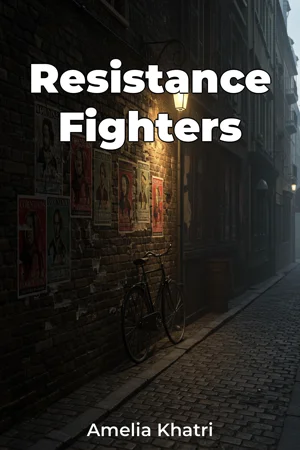
How did ordinary citizens, facing unimaginable oppression, dare to defy the Nazi regime and its allies? "Resistance Fighters" delves into the clandestine world of underground movements that arose across Europe during World War II, examining their crucial role in undermining Axis occupation and paving the way for liberation. This book explores the courage, ingenuity, and sacrifice of men and women who risked everything to fight for freedom. At the heart of this historical analysis are two primary themes: the diverse forms of resistance and the socio-political impact of these movements. Resistance was not monolithic. It ranged from intelligence gathering and sabotage to armed struggle and aiding escaped prisoners. Understanding this diversity is crucial to appreciating the full scope of the resistance effort. Equally important is examining the long-term consequences of these actions, both positive and negative, in shaping post-war Europe. The book argues that these resistance movements, while diverse in ideology and tactics, were vital in weakening the Axis powers and preserving the spirit of resistance against tyranny. They also left a complex legacy of political division and social change. To fully comprehend the significance of these movements, the book provides a historical context of pre-war political landscapes, the rise of fascism, and the rapid expansion of Nazi control. It examines the ideologies that fueled both collaboration and resistance, emphasizing the moral dilemmas faced by individuals in occupied territories. The book is structured chronologically and thematically, starting with an overview of the initial responses to occupation and the formation of resistance cells. It then explores key resistance activities in several countries, including France, Poland, Norway, and Yugoslavia, highlighting the unique challenges and strategies employed in each context. Specific chapters are dedicated to the role of women in the resistance, the impact of Allied support, and the ethical complexities of violent resistance. The concluding chapters analyze the legacy of resistance movements, their influence on post-war political structures, and their lasting impact on national identity. Support for the book's arguments will be drawn from a variety of sources, including archival documents, personal testimonies, memoirs of resistance fighters, and official war records. Oral histories and newly translated documents provide unique insights into the lived experiences of those involved in the resistance. Furthermore, the book connects to fields such as political science, sociology, and military history, examining the political dynamics of occupied territories, the social structures that facilitated resistance, and the military impact of partisan warfare. This interdisciplinary approach enhances the book's argument by providing a more nuanced understanding of the factors that shaped resistance movements. "Resistance Fighters" adopts a balanced and objective tone, presenting a nuanced portrayal of the complex moral and political landscape of occupied Europe. The writing style is accessible to a broad audience while maintaining scholarly rigor. This book is intended for general readers interested in World War II history, as well as students and researchers in related fields. It offers a valuable contribution to the understanding of resistance movements by providing a comprehensive overview of their activities, motivations, and legacies. The book acknowledges the limitations of focusing on specific regions and movements, recognizing that resistance took many forms and occurred in diverse contexts. However, by examining key case studies, it provides a framework for understanding the broader phenomenon of resistance against tyranny. The information in the book also provides valuable insights into contemporary conflicts and the challenges of resisting authoritarian regimes. While the book acknowledges the heroism of many resistance fighters, it also addresses the controversies surrounding their actions, including the use of violence and the potential for unintended consequences.
How did ordinary citizens, facing unimaginable oppression, dare to defy the Nazi regime and its allies? "Resistance Fighters" delves into the clandestine world of underground movements that arose across Europe during World War II, examining their crucial role in undermining Axis occupation and paving the way for liberation. This book explores the courage, ingenuity, and sacrifice of men and women who risked everything to fight for freedom. At the heart of this historical analysis are two primary themes: the diverse forms of resistance and the socio-political impact of these movements. Resistance was not monolithic. It ranged from intelligence gathering and sabotage to armed struggle and aiding escaped prisoners. Understanding this diversity is crucial to appreciating the full scope of the resistance effort. Equally important is examining the long-term consequences of these actions, both positive and negative, in shaping post-war Europe. The book argues that these resistance movements, while diverse in ideology and tactics, were vital in weakening the Axis powers and preserving the spirit of resistance against tyranny. They also left a complex legacy of political division and social change. To fully comprehend the significance of these movements, the book provides a historical context of pre-war political landscapes, the rise of fascism, and the rapid expansion of Nazi control. It examines the ideologies that fueled both collaboration and resistance, emphasizing the moral dilemmas faced by individuals in occupied territories. The book is structured chronologically and thematically, starting with an overview of the initial responses to occupation and the formation of resistance cells. It then explores key resistance activities in several countries, including France, Poland, Norway, and Yugoslavia, highlighting the unique challenges and strategies employed in each context. Specific chapters are dedicated to the role of women in the resistance, the impact of Allied support, and the ethical complexities of violent resistance. The concluding chapters analyze the legacy of resistance movements, their influence on post-war political structures, and their lasting impact on national identity. Support for the book's arguments will be drawn from a variety of sources, including archival documents, personal testimonies, memoirs of resistance fighters, and official war records. Oral histories and newly translated documents provide unique insights into the lived experiences of those involved in the resistance. Furthermore, the book connects to fields such as political science, sociology, and military history, examining the political dynamics of occupied territories, the social structures that facilitated resistance, and the military impact of partisan warfare. This interdisciplinary approach enhances the book's argument by providing a more nuanced understanding of the factors that shaped resistance movements. "Resistance Fighters" adopts a balanced and objective tone, presenting a nuanced portrayal of the complex moral and political landscape of occupied Europe. The writing style is accessible to a broad audience while maintaining scholarly rigor. This book is intended for general readers interested in World War II history, as well as students and researchers in related fields. It offers a valuable contribution to the understanding of resistance movements by providing a comprehensive overview of their activities, motivations, and legacies. The book acknowledges the limitations of focusing on specific regions and movements, recognizing that resistance took many forms and occurred in diverse contexts. However, by examining key case studies, it provides a framework for understanding the broader phenomenon of resistance against tyranny. The information in the book also provides valuable insights into contemporary conflicts and the challenges of resisting authoritarian regimes. While the book acknowledges the heroism of many resistance fighters, it also addresses the controversies surrounding their actions, including the use of violence and the potential for unintended consequences.
"Resistance Fighters" explores the diverse underground movements across Europe during World War II, highlighting their crucial role in undermining Axis occupation. This book examines the courage and ingenuity of ordinary citizens who risked everything to defy the Nazi regime. It delves into the multifaceted forms of resistance, from intelligence gathering and sabotage to armed struggle, revealing that resistance was far from a monolithic effort. Consider, for example, how resistance groups aided escaped prisoners, demonstrating the breadth of their activities. Understanding this diversity is key to appreciating the full scope of resistance. The book progresses chronologically and thematically, beginning with initial responses to occupation and the formation of resistance cells. It then explores key resistance activities in countries like France, Poland, Norway, and Yugoslavia, showcasing the unique challenges and strategies employed in each context. The historical analysis also emphasizes the long-term consequences of these actions, both positive and negative, in shaping post-war Europe. Examining the ideologies that fueled both collaboration and resistance, the book provides valuable insights into the moral dilemmas faced by individuals in occupied territories and the lasting impact of these movements on national identity.
Book Details
ISBN
9788233966690
Publisher
Publifye AS
Your Licenses
You don't own any licenses for this book
Purchase a license below to unlock this book and download the EPUB.
Purchase License
Select a tier to unlock this book
Need bulk licensing?
Contact us for enterprise agreements.