
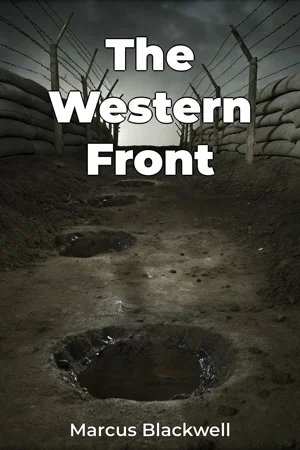
About This Book
Why did the Western Front become synonymous with stalemate and attrition in two world wars? This book, "The Western Front," delves into the pivotal battles and military strategies that defined this critical theater, examining both World War I and World War II. Understanding the Western Front is crucial for grasping the dynamics of 20th-century warfare, the evolution of military thought, and the enduring impact of these conflicts on global politics. This book provides a comprehensive analysis of the Western Front, exploring the geographical constraints, technological advancements, and strategic decisions that shaped its character. It argues that the Western Front's defining features – trench warfare in World War I and rapid maneuver warfare in World War II – arose from a complex interplay of factors, including the strategic objectives of the belligerents, the limitations of available technology, and the evolving doctrines of military command. This argument is vital because it challenges simplistic narratives of inevitable stalemate, highlighting the contingencies and choices that influenced the course of events. The book is structured to provide a clear understanding of the Western Front's evolution. It begins with an examination of the pre-war strategic landscape and the initial offensives that quickly led to entrenchment in World War I. Subsequent chapters analyze key battles such as the Marne, Verdun, the Somme, and Passchendaele, dissecting the tactical innovations and strategic blunders that characterized each engagement. The narrative then transitions to World War II, exploring the German blitzkrieg through France and the Low Countries, the subsequent years of occupation and resistance, and the eventual Allied liberation campaign. The work culminates in an assessment of the Western Front's legacy and its continuing relevance to contemporary military thinking. The analysis presented is supported by extensive primary and secondary source research, including official military records, personal accounts from soldiers and civilians, and scholarly analyses of strategic decision-making. Special attention is given to integrating technological developments, such as the introduction of tanks, airplanes, and chemical weapons, into the broader strategic context. "The Western Front" also connects to various other fields. It links military history with political science by exploring the impact of these conflicts on international relations and the rise of new political ideologies. It connects to technology studies by investigating the relationship between technological innovation and military effectiveness. Finally, it touches on social history by examining the experiences of soldiers and civilians caught in the crossfire. This book offers a unique perspective by comparing and contrasting the two World Wars on the same geographical stage. It examines how lessons learned (or not learned) from World War I influenced the strategies and tactics employed in World War II. This comparative approach provides a deeper understanding of the enduring challenges of modern warfare. Written in a clear and accessible style, "The Western Front" is intended for students of military history, general readers interested in World War I and World War II, and anyone seeking a deeper understanding of the complexities of modern warfare. It addresses ongoing debates about the relative importance of different factors in shaping the course of these conflicts, offering a balanced assessment of the strategic, tactical, and technological dimensions of the Western Front. While the book focuses primarily on military operations, it acknowledges the profound social and political consequences of these conflicts. The information presented aims to provide readers with a framework for understanding the dynamics of modern warfare, the importance of strategic decision-making, and the enduring impact of these conflicts on the 20th and 21st centuries.
Why did the Western Front become synonymous with stalemate and attrition in two world wars? This book, "The Western Front," delves into the pivotal battles and military strategies that defined this critical theater, examining both World War I and World War II. Understanding the Western Front is crucial for grasping the dynamics of 20th-century warfare, the evolution of military thought, and the enduring impact of these conflicts on global politics. This book provides a comprehensive analysis of the Western Front, exploring the geographical constraints, technological advancements, and strategic decisions that shaped its character. It argues that the Western Front's defining features – trench warfare in World War I and rapid maneuver warfare in World War II – arose from a complex interplay of factors, including the strategic objectives of the belligerents, the limitations of available technology, and the evolving doctrines of military command. This argument is vital because it challenges simplistic narratives of inevitable stalemate, highlighting the contingencies and choices that influenced the course of events. The book is structured to provide a clear understanding of the Western Front's evolution. It begins with an examination of the pre-war strategic landscape and the initial offensives that quickly led to entrenchment in World War I. Subsequent chapters analyze key battles such as the Marne, Verdun, the Somme, and Passchendaele, dissecting the tactical innovations and strategic blunders that characterized each engagement. The narrative then transitions to World War II, exploring the German blitzkrieg through France and the Low Countries, the subsequent years of occupation and resistance, and the eventual Allied liberation campaign. The work culminates in an assessment of the Western Front's legacy and its continuing relevance to contemporary military thinking. The analysis presented is supported by extensive primary and secondary source research, including official military records, personal accounts from soldiers and civilians, and scholarly analyses of strategic decision-making. Special attention is given to integrating technological developments, such as the introduction of tanks, airplanes, and chemical weapons, into the broader strategic context. "The Western Front" also connects to various other fields. It links military history with political science by exploring the impact of these conflicts on international relations and the rise of new political ideologies. It connects to technology studies by investigating the relationship between technological innovation and military effectiveness. Finally, it touches on social history by examining the experiences of soldiers and civilians caught in the crossfire. This book offers a unique perspective by comparing and contrasting the two World Wars on the same geographical stage. It examines how lessons learned (or not learned) from World War I influenced the strategies and tactics employed in World War II. This comparative approach provides a deeper understanding of the enduring challenges of modern warfare. Written in a clear and accessible style, "The Western Front" is intended for students of military history, general readers interested in World War I and World War II, and anyone seeking a deeper understanding of the complexities of modern warfare. It addresses ongoing debates about the relative importance of different factors in shaping the course of these conflicts, offering a balanced assessment of the strategic, tactical, and technological dimensions of the Western Front. While the book focuses primarily on military operations, it acknowledges the profound social and political consequences of these conflicts. The information presented aims to provide readers with a framework for understanding the dynamics of modern warfare, the importance of strategic decision-making, and the enduring impact of these conflicts on the 20th and 21st centuries.
"The Western Front" explores the critical battles and military strategies that shaped this theater in both World War I and World War II, revealing why it became synonymous with stalemate and attrition. A key argument is that the Western Front's defining features, such as trench warfare in World War I and the blitzkrieg in World War II, arose from the interplay of strategic objectives, technological limitations, and military doctrines. The book challenges simplistic narratives by highlighting the pivotal choices that influenced events, thus offering a deeper understanding of 20th-century warfare. Beginning with the pre-war landscape and initial offensives, the book analyzes key battles like the Marne, Verdun, and the Somme, dissecting tactical innovations and strategic blunders. It transitions to World War II, exploring the German blitzkrieg, occupation, resistance, and Allied liberation. Ultimately, the book assesses the Western Front's legacy and its continuing relevance to contemporary military thinking, offering a unique perspective by comparing the two World Wars on the same stage.
Book Details
ISBN
9788233966683
Publisher
Publifye AS
Your Licenses
You don't own any licenses for this book
Purchase a license below to unlock this book and download the EPUB.
Purchase License
Select a tier to unlock this book
Need bulk licensing?
Contact us for enterprise agreements.