
About This Book
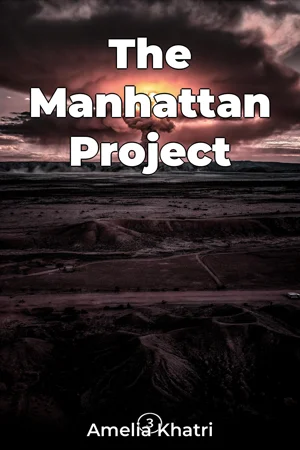
How did the United States, during the throes of World War II, secretly marshal its scientific, industrial, and military might to create a weapon of unprecedented destructive power? *The Manhattan Project* delves into the heart of this monumental undertaking, exploring not only the scientific breakthroughs but also the complex ethical and political considerations that shaped the atomic age. This book examines three key areas: the scientific breakthroughs that made the atomic bomb possible, the immense logistical challenges of the Manhattan Project, and the moral and political ramifications of using such a weapon. These topics are crucial for understanding the profound impact the project had on the trajectory of warfare, international relations, and scientific responsibility. To fully appreciate the Manhattan Project, we must understand the historical context of the 1930s and 40s, including the rise of fascism, the growing threat of war, and the burgeoning field of nuclear physics. Basic knowledge of atomic structure and the principles of nuclear fission will be helpful in understanding the scientific complexities discussed. The central argument of *The Manhattan Project* is that its success was not merely a technological feat but a product of unprecedented collaboration, resource mobilization, and a willingness to confront profound ethical dilemmas. This argument is significant because it challenges simplistic narratives of scientific progress and highlights the complex interplay of science, politics, and morality in shaping history. The book unfolds in several stages. It begins by introducing the key scientists, political figures, and scientific concepts that drove the project. It then follows the development of the atomic bomb from its theoretical foundations to its practical realization at Los Alamos. Central chapters explore the construction of massive production facilities like Oak Ridge and Hanford, detailing the engineering and logistical marvels required to produce fissile material. The book culminates with an examination of the decision to use the bomb, the bombings of Hiroshima and Nagasaki, and the immediate aftermath. Finally, it considers the long-term implications of nuclear weapons for international security and the ongoing debates surrounding nuclear proliferation. The book draws upon a wide range of primary sources, including declassified government documents, personal papers of key scientists and officials, and oral histories of individuals involved in the project. It also incorporates secondary scholarship from historians, scientists, and political analysts. Unique data includes detailed production records from the Oak Ridge and Hanford facilities, providing unprecedented insight into the scale and cost of the Manhattan Project. *The Manhattan Project* connects to several other fields of study, including: the history of science and technology, offering insights into the process of innovation and its societal impacts; political science and international relations, exploring the role of nuclear weapons in shaping global power dynamics; and ethics and philosophy, examining the moral dilemmas posed by scientific advancements. This book takes a comprehensive approach, presenting a balanced narrative that considers the perspectives of scientists, engineers, military leaders, and policymakers involved in the Manhattan Project. It avoids sensationalism and instead focuses on providing a nuanced and fact-based account of this pivotal moment in history. The target audience includes students of history, science, and political science, as well as general readers interested in World War II, the history of nuclear weapons, and the ethical implications of scientific progress. The book offers a valuable contribution to the field of military history, providing a detailed account of a project that fundamentally altered the nature of warfare. The scope of the book is limited to the history of the Manhattan Project itself, from its inception to the immediate aftermath of World War II. It does not delve into the broader history of nuclear weapons development beyond this period. The information presented in *The Manhattan Project* has practical applications for understanding current debates surrounding nuclear proliferation, arms control, and the role of science in shaping public policy. The book addresses the ongoing debates surrounding the decision to use the atomic bomb, presenting different perspectives on its justification and consequences. It also explores the controversies surrounding the ethical responsibilities of scientists and the potential for unintended consequences of scientific research.
How did the United States, during the throes of World War II, secretly marshal its scientific, industrial, and military might to create a weapon of unprecedented destructive power? *The Manhattan Project* delves into the heart of this monumental undertaking, exploring not only the scientific breakthroughs but also the complex ethical and political considerations that shaped the atomic age. This book examines three key areas: the scientific breakthroughs that made the atomic bomb possible, the immense logistical challenges of the Manhattan Project, and the moral and political ramifications of using such a weapon. These topics are crucial for understanding the profound impact the project had on the trajectory of warfare, international relations, and scientific responsibility. To fully appreciate the Manhattan Project, we must understand the historical context of the 1930s and 40s, including the rise of fascism, the growing threat of war, and the burgeoning field of nuclear physics. Basic knowledge of atomic structure and the principles of nuclear fission will be helpful in understanding the scientific complexities discussed. The central argument of *The Manhattan Project* is that its success was not merely a technological feat but a product of unprecedented collaboration, resource mobilization, and a willingness to confront profound ethical dilemmas. This argument is significant because it challenges simplistic narratives of scientific progress and highlights the complex interplay of science, politics, and morality in shaping history. The book unfolds in several stages. It begins by introducing the key scientists, political figures, and scientific concepts that drove the project. It then follows the development of the atomic bomb from its theoretical foundations to its practical realization at Los Alamos. Central chapters explore the construction of massive production facilities like Oak Ridge and Hanford, detailing the engineering and logistical marvels required to produce fissile material. The book culminates with an examination of the decision to use the bomb, the bombings of Hiroshima and Nagasaki, and the immediate aftermath. Finally, it considers the long-term implications of nuclear weapons for international security and the ongoing debates surrounding nuclear proliferation. The book draws upon a wide range of primary sources, including declassified government documents, personal papers of key scientists and officials, and oral histories of individuals involved in the project. It also incorporates secondary scholarship from historians, scientists, and political analysts. Unique data includes detailed production records from the Oak Ridge and Hanford facilities, providing unprecedented insight into the scale and cost of the Manhattan Project. *The Manhattan Project* connects to several other fields of study, including: the history of science and technology, offering insights into the process of innovation and its societal impacts; political science and international relations, exploring the role of nuclear weapons in shaping global power dynamics; and ethics and philosophy, examining the moral dilemmas posed by scientific advancements. This book takes a comprehensive approach, presenting a balanced narrative that considers the perspectives of scientists, engineers, military leaders, and policymakers involved in the Manhattan Project. It avoids sensationalism and instead focuses on providing a nuanced and fact-based account of this pivotal moment in history. The target audience includes students of history, science, and political science, as well as general readers interested in World War II, the history of nuclear weapons, and the ethical implications of scientific progress. The book offers a valuable contribution to the field of military history, providing a detailed account of a project that fundamentally altered the nature of warfare. The scope of the book is limited to the history of the Manhattan Project itself, from its inception to the immediate aftermath of World War II. It does not delve into the broader history of nuclear weapons development beyond this period. The information presented in *The Manhattan Project* has practical applications for understanding current debates surrounding nuclear proliferation, arms control, and the role of science in shaping public policy. The book addresses the ongoing debates surrounding the decision to use the atomic bomb, presenting different perspectives on its justification and consequences. It also explores the controversies surrounding the ethical responsibilities of scientists and the potential for unintended consequences of scientific research.
"The Manhattan Project" explores the United States' top-secret endeavor during World War II to develop the atomic bomb. It examines the scientific breakthroughs, logistical challenges, and ethical dilemmas that shaped this pivotal moment in military history. The book highlights the unprecedented collaboration and resource mobilization required for success, emphasizing the complex interplay of science, politics, and morality. It offers a comprehensive account of how the project revolutionized warfare and international relations, from nuclear fission to the bombings of Hiroshima and Nagasaki. The book unfolds by introducing key figures and scientific concepts, then traces the bomb's development from theory to realization at Los Alamos. Central chapters detail the construction of massive production facilities like Oak Ridge and Hanford. The book culminates with an examination of the decision to use the bomb and its long-term implications, offering insight into the ongoing debates surrounding nuclear proliferation and scientific responsibility. Through primary sources and detailed production records, the book avoids sensationalism, providing a nuanced, fact-based narrative of this transformative event.
Book Details
ISBN
9788233966652
Publisher
Publifye AS
Your Licenses
You don't own any licenses for this book
Purchase a license below to unlock this book and download the EPUB.
Purchase License
Select a tier to unlock this book
Need bulk licensing?
Contact us for enterprise agreements.