
About This Book
Have you ever considered the full spectrum of contributions made by women during wartime, beyond the traditional images of nursing and supporting roles? "Women At War" delves into the multifaceted participation of women across various conflicts, revealing their pivotal, often overlooked, roles in shaping military outcomes and societal transformations. This book is essential for understanding how women's involvement in warfare expanded beyond conventional boundaries, impacting both the battlefront and the home front. This book examines three key areas: women in factory work, the intelligence arena, and direct combat roles. The dramatic shift in labor demographics as women filled crucial manufacturing positions, producing munitions and equipment, ensured that war machines continued to operate. Their intelligence work, ranging from espionage to codebreaking, provided critical strategic advantages. Furthermore, the book explores women who directly engaged in combat, shattering traditional gender roles and challenging established military doctrines. Understanding these topics is critical because it reshapes our understanding of combat history and sheds light on the evolving roles of women in society. The book provides historical context by examining social attitudes toward women's capabilities during wartime periods, from World War I to contemporary conflicts. It addresses the resistance women faced in entering traditionally male-dominated fields and the societal pressures that often forced them back into domestic roles after the wars ended. No specific prerequisite knowledge is required; the book is designed to be accessible to anyone interested in military history or women's studies who may not have specialized background knowledge. The central argument of "Women At War" posits is that women's contributions have consistently been instrumental in the war effort, yet their roles have been systematically underestimated and underrepresented in historical accounts. Recognizing their participation is vital for achieving a complete and nuanced understanding of military history and societal evolution. The book is structured to first introduce the prevailing societal norms regarding women's roles during different historical periods. It develops its argument through three key sections: (1) "The Arsenal of Democracy," which investigates women's essential work in factories and production lines. (2) "Cloak and Dagger," exploring their contributions to espionage, intelligence gathering, and codebreaking. (3) "On the Front Lines," focusing on women who took up arms, whether as resistance fighters, snipers, or special forces. The argument culminates by illustrating how these diverse roles collectively demonstrate the indispensable nature of women in war, advocating for a reassessment of traditional military histories. The concluding chapters examine the long-term implications of women's wartime service on gender equality and military policy. The book relies on a combination of primary sources, including diaries, letters, and oral histories of women who participated in these events. Archival military records, government documents, and journalistic accounts of the time also provide crucial evidence. Quantitative data from labor statistics offers insights into the scale of women's involvement in wartime industries. "Women At War" connects to several other fields of study, including gender studies, sociology, labor economics, and political science. Gender studies informs the analysis of societal expectations and biases that influenced women's experiences. Sociology provides a framework for understanding the impact of war on social structures and gender roles. Labor economics helps to quantify the economic significance of women's wartime labor contributions. Political science examines the effects of women's participation in war on political movements and policy changes. This book uniquely combines historical narrative with interdisciplinary analysis, giving a comprehensive view of women's participation in wartime. It moves beyond anecdotal evidence to incorporate statistical data and sociological perspectives, offering a more rigorous and balanced assessment. The book’s tone is informative and accessible, aiming to engage a broad readership while maintaining academic rigor. The target audience for "Women At War" includes students and researchers in military history, women's studies, and sociology, as well as general readers interested in learning more about the untold stories of women in war. As a work of history, "Women At War" adheres to standard academic practices of citation, source verification, and balanced historical interpretation. It uses a chronological approach with thematic chapters to maintain clarity and coherence. The book focuses primarily on Western perspectives and experiences, mainly in Europe and North America. It does not delve into some specific geographic regions due to restrictions in available source material. The insights from this book can be applied to contemporary discussions about women in the military, gender equality, and workforce diversity. By understanding the historical precedents and contributions of women in wartime, policymakers and military leaders can make more informed decisions about integrating women into all aspects of defense and security. The book addresses ongoing debates about the effectiveness of women in combat roles and the long-term effects of their service on military readiness and social norms. It discusses varying points of view and provides evidence-based analysis to foster a deeper understanding of these complex issues.
Have you ever considered the full spectrum of contributions made by women during wartime, beyond the traditional images of nursing and supporting roles? "Women At War" delves into the multifaceted participation of women across various conflicts, revealing their pivotal, often overlooked, roles in shaping military outcomes and societal transformations. This book is essential for understanding how women's involvement in warfare expanded beyond conventional boundaries, impacting both the battlefront and the home front. This book examines three key areas: women in factory work, the intelligence arena, and direct combat roles. The dramatic shift in labor demographics as women filled crucial manufacturing positions, producing munitions and equipment, ensured that war machines continued to operate. Their intelligence work, ranging from espionage to codebreaking, provided critical strategic advantages. Furthermore, the book explores women who directly engaged in combat, shattering traditional gender roles and challenging established military doctrines. Understanding these topics is critical because it reshapes our understanding of combat history and sheds light on the evolving roles of women in society. The book provides historical context by examining social attitudes toward women's capabilities during wartime periods, from World War I to contemporary conflicts. It addresses the resistance women faced in entering traditionally male-dominated fields and the societal pressures that often forced them back into domestic roles after the wars ended. No specific prerequisite knowledge is required; the book is designed to be accessible to anyone interested in military history or women's studies who may not have specialized background knowledge. The central argument of "Women At War" posits is that women's contributions have consistently been instrumental in the war effort, yet their roles have been systematically underestimated and underrepresented in historical accounts. Recognizing their participation is vital for achieving a complete and nuanced understanding of military history and societal evolution. The book is structured to first introduce the prevailing societal norms regarding women's roles during different historical periods. It develops its argument through three key sections: (1) "The Arsenal of Democracy," which investigates women's essential work in factories and production lines. (2) "Cloak and Dagger," exploring their contributions to espionage, intelligence gathering, and codebreaking. (3) "On the Front Lines," focusing on women who took up arms, whether as resistance fighters, snipers, or special forces. The argument culminates by illustrating how these diverse roles collectively demonstrate the indispensable nature of women in war, advocating for a reassessment of traditional military histories. The concluding chapters examine the long-term implications of women's wartime service on gender equality and military policy. The book relies on a combination of primary sources, including diaries, letters, and oral histories of women who participated in these events. Archival military records, government documents, and journalistic accounts of the time also provide crucial evidence. Quantitative data from labor statistics offers insights into the scale of women's involvement in wartime industries. "Women At War" connects to several other fields of study, including gender studies, sociology, labor economics, and political science. Gender studies informs the analysis of societal expectations and biases that influenced women's experiences. Sociology provides a framework for understanding the impact of war on social structures and gender roles. Labor economics helps to quantify the economic significance of women's wartime labor contributions. Political science examines the effects of women's participation in war on political movements and policy changes. This book uniquely combines historical narrative with interdisciplinary analysis, giving a comprehensive view of women's participation in wartime. It moves beyond anecdotal evidence to incorporate statistical data and sociological perspectives, offering a more rigorous and balanced assessment. The book’s tone is informative and accessible, aiming to engage a broad readership while maintaining academic rigor. The target audience for "Women At War" includes students and researchers in military history, women's studies, and sociology, as well as general readers interested in learning more about the untold stories of women in war. As a work of history, "Women At War" adheres to standard academic practices of citation, source verification, and balanced historical interpretation. It uses a chronological approach with thematic chapters to maintain clarity and coherence. The book focuses primarily on Western perspectives and experiences, mainly in Europe and North America. It does not delve into some specific geographic regions due to restrictions in available source material. The insights from this book can be applied to contemporary discussions about women in the military, gender equality, and workforce diversity. By understanding the historical precedents and contributions of women in wartime, policymakers and military leaders can make more informed decisions about integrating women into all aspects of defense and security. The book addresses ongoing debates about the effectiveness of women in combat roles and the long-term effects of their service on military readiness and social norms. It discusses varying points of view and provides evidence-based analysis to foster a deeper understanding of these complex issues.
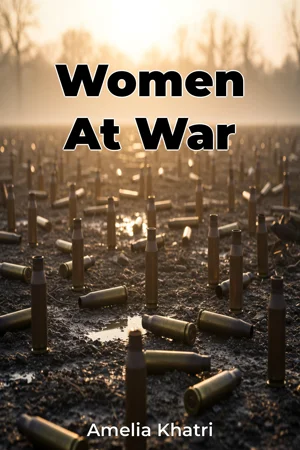
"Women At War" explores the often-overlooked contributions of women throughout military history, challenging traditional narratives that focus solely on men. It reveals how women's involvement in conflicts expanded beyond traditional support roles, impacting both the battlefront and the home front. The book argues that women's contributions were instrumental to the war effort, yet their roles have been underestimated in historical accounts. From filling critical manufacturing positions in factories to engaging in espionage and codebreaking, women played pivotal roles in shaping military outcomes and societal transformations. This book emphasizes the necessity of recognizing women's participation for a complete understanding of military history and the evolution of gender roles. The book progresses through key sections, beginning with an introduction to societal norms regarding women's roles during different historical periods. It then investigates women's essential work in factories ("The Arsenal of Democracy"), their contributions to intelligence gathering ("Cloak and Dagger"), and their direct engagement in combat roles ("On the Front Lines"). By using primary sources like diaries and military records, the book provides a rigorous and balanced assessment of women's wartime experiences. Ultimately, "Women At War" advocates for a reassessment of traditional military histories to include the indispensable contributions of women.
Book Details
ISBN
9788233966607
Publisher
Publifye AS
Your Licenses
You don't own any licenses for this book
Purchase a license below to unlock this book and download the EPUB.
Purchase License
Select a tier to unlock this book
Need bulk licensing?
Contact us for enterprise agreements.