
About This Book
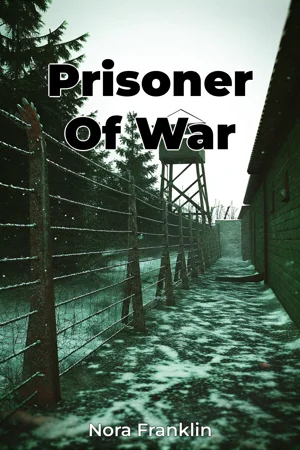
What does it take to survive when stripped of your freedom, your dignity, and your very identity? *Prisoner Of War* delves into the grim realities endured by soldiers captured in combat, offering a stark and unflinching examination of life within enemy prison camps. This book explores not only the physical hardships inflicted upon POWs but also the psychological battles they fought to maintain their sanity and hope amidst unimaginable adversity. The title explores three interconnected themes: the brutal conditions of captivity, the psychological impact of imprisonment, and the resilience of the human spirit as demonstrated through daring escape attempts and acts of resistance. Understanding these topics is crucial to comprehending the full spectrum of wartime experience, which often focuses solely on battlefield action while overlooking the prolonged suffering of those held captive. Set against the backdrop of major 20th and 21st-century conflicts, with focus on World War II, the Korean War, the Vietnam War, and conflicts in the Middle East, this volume examines the evolving rules of engagement and the treatment of prisoners as dictated by the Geneva Conventions. While these agreements sought to establish basic standards of humane treatment, the reality often fell far short, with POWs subjected to starvation, forced labor, torture, and psychological manipulation. The central argument underscores the profound and lasting impact of the POW experience, not only on individuals but also on their families and communities. It contends that the resilience and ingenuity displayed by prisoners of war are testaments to the enduring strength of the human will, even in the face of overwhelming oppression. Furthermore, it argues that understanding their experiences is vital for informing military policy and ensuring better treatment for future generations of captured soldiers. The book unfolds in three parts. First, it introduces the historical context of POW camps, detailing their evolution and varying conditions across different conflicts. Second, it delves into the lived experiences of prisoners, drawing upon firsthand accounts, diaries, and interviews to illustrate the daily realities of camp life. This section examines the prisoners’ strategies for survival, including maintaining morale, organizing resistance, and attempting escapes. Third, the book analyzes the long-term psychological and physical effects of captivity, exploring issues such as post-traumatic stress disorder (PTSD), chronic health problems, and the challenges of reintegration into civilian life. The conclusion offers a reflection on the lessons learned from the POW experience and their relevance to contemporary conflicts. The analysis relies on a range of sources, including archival documents, declassified military records, personal memoirs, and oral histories collected from former prisoners of war. It also incorporates medical and psychological research to provide a comprehensive understanding of the physical and mental health challenges faced by POWs. This work connects to several disciplines, including military history, psychology, and human rights studies. By integrating these perspectives, the book offers a nuanced and multi-faceted exploration of the POW experience. The book's strength lies in its comprehensive approach, combining historical analysis with intimate personal narratives to create a powerful and empathetic portrayal of the POW experience. Its accessible writing style and engaging storytelling will appeal to a broad audience, while its rigorous research and insightful analysis will make it a valuable resource for scholars and researchers. Targeted toward history enthusiasts, military personnel, veterans, and anyone interested in the human side of conflict, it offers valuable insights into the unseen aspects of war. It also speaks to those interested in psychology, resilience, and stories of survival against all odds. As a work of military history, it adheres to the standards of academic rigor, presenting factual information in a clear and unbiased manner. The book's scope is limited to the experiences of POWs from the 20th and 21st centuries, primarily focusing on Western perspectives, but exploring the commonalities of the experience. The lessons gleaned from the POW experience have practical implications for military training, psychological support, and the development of international humanitarian law. Understanding the challenges faced by POWs can inform strategies for preventing abuse, providing better care for returning veterans, and advocating for more humane treatment of prisoners in future conflicts. While most nations agree on the principles outlined in the Geneva Conventions, debates persist regarding the definition of torture, the treatment of unlawful combatants, and the responsibility of states to prosecute war crimes. This book contributes to these ongoing discussions by providing factual accounts of the consequences of prisoner mistreatment.
What does it take to survive when stripped of your freedom, your dignity, and your very identity? *Prisoner Of War* delves into the grim realities endured by soldiers captured in combat, offering a stark and unflinching examination of life within enemy prison camps. This book explores not only the physical hardships inflicted upon POWs but also the psychological battles they fought to maintain their sanity and hope amidst unimaginable adversity. The title explores three interconnected themes: the brutal conditions of captivity, the psychological impact of imprisonment, and the resilience of the human spirit as demonstrated through daring escape attempts and acts of resistance. Understanding these topics is crucial to comprehending the full spectrum of wartime experience, which often focuses solely on battlefield action while overlooking the prolonged suffering of those held captive. Set against the backdrop of major 20th and 21st-century conflicts, with focus on World War II, the Korean War, the Vietnam War, and conflicts in the Middle East, this volume examines the evolving rules of engagement and the treatment of prisoners as dictated by the Geneva Conventions. While these agreements sought to establish basic standards of humane treatment, the reality often fell far short, with POWs subjected to starvation, forced labor, torture, and psychological manipulation. The central argument underscores the profound and lasting impact of the POW experience, not only on individuals but also on their families and communities. It contends that the resilience and ingenuity displayed by prisoners of war are testaments to the enduring strength of the human will, even in the face of overwhelming oppression. Furthermore, it argues that understanding their experiences is vital for informing military policy and ensuring better treatment for future generations of captured soldiers. The book unfolds in three parts. First, it introduces the historical context of POW camps, detailing their evolution and varying conditions across different conflicts. Second, it delves into the lived experiences of prisoners, drawing upon firsthand accounts, diaries, and interviews to illustrate the daily realities of camp life. This section examines the prisoners’ strategies for survival, including maintaining morale, organizing resistance, and attempting escapes. Third, the book analyzes the long-term psychological and physical effects of captivity, exploring issues such as post-traumatic stress disorder (PTSD), chronic health problems, and the challenges of reintegration into civilian life. The conclusion offers a reflection on the lessons learned from the POW experience and their relevance to contemporary conflicts. The analysis relies on a range of sources, including archival documents, declassified military records, personal memoirs, and oral histories collected from former prisoners of war. It also incorporates medical and psychological research to provide a comprehensive understanding of the physical and mental health challenges faced by POWs. This work connects to several disciplines, including military history, psychology, and human rights studies. By integrating these perspectives, the book offers a nuanced and multi-faceted exploration of the POW experience. The book's strength lies in its comprehensive approach, combining historical analysis with intimate personal narratives to create a powerful and empathetic portrayal of the POW experience. Its accessible writing style and engaging storytelling will appeal to a broad audience, while its rigorous research and insightful analysis will make it a valuable resource for scholars and researchers. Targeted toward history enthusiasts, military personnel, veterans, and anyone interested in the human side of conflict, it offers valuable insights into the unseen aspects of war. It also speaks to those interested in psychology, resilience, and stories of survival against all odds. As a work of military history, it adheres to the standards of academic rigor, presenting factual information in a clear and unbiased manner. The book's scope is limited to the experiences of POWs from the 20th and 21st centuries, primarily focusing on Western perspectives, but exploring the commonalities of the experience. The lessons gleaned from the POW experience have practical implications for military training, psychological support, and the development of international humanitarian law. Understanding the challenges faced by POWs can inform strategies for preventing abuse, providing better care for returning veterans, and advocating for more humane treatment of prisoners in future conflicts. While most nations agree on the principles outlined in the Geneva Conventions, debates persist regarding the definition of torture, the treatment of unlawful combatants, and the responsibility of states to prosecute war crimes. This book contributes to these ongoing discussions by providing factual accounts of the consequences of prisoner mistreatment.
"Prisoner Of War" offers a gripping exploration into the harrowing experiences of soldiers held captive during major conflicts of the 20th and 21st centuries, with a focus on World War II, the Korean War, and the Vietnam War. It examines the brutal conditions endured within prison camps, highlighting the psychological impact of captivity and the extraordinary resilience displayed by POWs. The book underscores how survival often hinged on maintaining morale and organizing resistance, sometimes through daring escape attempts. It delves into the evolution of POW camps, as well as the treatment of prisoners as dictated by the Geneva Conventions. Despite these agreements, POWs frequently faced starvation, forced labor, and psychological manipulation. The book analyzes the long-term effects of captivity, such as PTSD, and explores the challenges of reintegration into civilian life. Drawing on archival documents, personal memoirs, and medical research, "Prisoner Of War" provides a comprehensive and empathetic portrayal of the POW experience, revealing the enduring strength of the human will in the face of oppression. The book unfolds in three parts, addressing the historical context, the lived experiences of prisoners, and the lasting psychological and physical effects of captivity. By combining historical analysis with personal narratives, it offers valuable insights for history enthusiasts, military personnel, and anyone interested in stories of survival against all odds.
Book Details
ISBN
9788233966591
Publisher
Publifye AS
Your Licenses
You don't own any licenses for this book
Purchase a license below to unlock this book and download the EPUB.
Purchase License
Select a tier to unlock this book
Need bulk licensing?
Contact us for enterprise agreements.