
About This Book
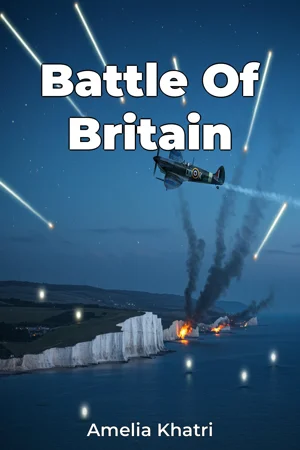
What if a small group of pilots, outnumbered and facing overwhelming odds, stood as the last line of defense against a seemingly unstoppable invasion? This book, *Battle Of Britain*, delves into the heart of the aerial conflict that determined the fate of Britain and, arguably, the course of World War II. It is a detailed examination of the Battle of Britain. This book tackles three key topics: the strategic importance of air superiority, the technological advancements in aircraft and radar, and the human element—the resilience and skill of the pilots and ground crews who fought the battle. These topics are critical because they highlight the confluence of factors that enabled Britain to withstand the German onslaught, and these are analyzed in detail throughout the book. To understand the Battle of Britain, a basic understanding of the geopolitical climate of 1940 is useful. Following the fall of France, Britain stood alone against Nazi Germany. Operation Sea Lion, the planned German invasion, hinged on achieving air supremacy over the English Channel and southern England. The Luftwaffe's mission was to destroy the Royal Air Force (RAF) and its infrastructure. This book provides the socio-political context, describing the mindset of both the British and German people. The central argument of *Battle Of Britain* is that the RAF's successful defense, although achieved at a high cost, was not solely a result of superior aircraft or numbers, but rather a combination of innovative tactics, effective command-and-control, and the sheer determination of its pilots. A key contention is that the crucial advantage of radar, integrated into a comprehensive defense system, was the single most important factor for the defense. This argument challenges traditional narratives that focus primarily on the individual heroism of pilots, highlighting the importance of strategic planning and technological integration. The book is structured to provide a comprehensive understanding of the battle. It begins with an introduction to the pre-war development of air power and the escalating tensions in Europe. The book then presents the key phases of the battle, from the initial attacks on shipping and coastal targets to the intense air battles over airfields and cities. It then analyzes the strategic errors made by the Luftwaffe. The book culminates with an assessment of the battle's impact on the course of the war and its lasting legacy. The evidence presented is drawn from primary sources, including official war diaries, pilot logbooks, and technical reports. Also referenced are captured German documents. The research is supplemented by accounts from veterans on both sides of the conflict as well as analysis of aircraft wreckage and battlefield archaeology. This study of the Battle of Britain connects to other fields such as military strategy, technology, and social history. It offers insights into the evolution of air warfare, the impact of technology on military outcomes, and the social and psychological effects of war on civilian populations and combatants. These connections broaden the book's appeal. What sets this book apart is its focus on how the integrated air defense system of radar with ground controllers was instrumental in victory. Instead of portraying the Battle of Britain as an inevitable clash of equals, this book takes a close look at the technical details and the role of information. The writing style is factual, precise, and detailed. It is intended for serious readers. The target audience includes military history enthusiasts, aviation buffs, and anyone interested in World War II.. Readers seeking an accurate and detailed account of the Battle of Britain will value the book's insights and comprehensive research, and its detailed operational focus. As a work of military history, *Battle Of Britain* adheres to the genre's conventions of accuracy, objectivity, and thorough research. However, it moves beyond a simple chronological account to also provide deeper analysis. The book focuses specifically on the air war over Britain. While the broader context of World War II is acknowledged, the book does not delve into other theaters of the war, or the role of code breaking. This limited scope allows for a more detailed and focused analysis of the Battle of Britain itself. The insights gained from studying the Battle of Britain have real-world applications for modern military strategists and policymakers. The lessons learned about air defense, command-and-control, and the importance of technology are still relevant. One significant controversy addressed is the debate over the relative importance of different aircraft types. It also covers the effect of bombing cities on the morale of the population.
What if a small group of pilots, outnumbered and facing overwhelming odds, stood as the last line of defense against a seemingly unstoppable invasion? This book, *Battle Of Britain*, delves into the heart of the aerial conflict that determined the fate of Britain and, arguably, the course of World War II. It is a detailed examination of the Battle of Britain. This book tackles three key topics: the strategic importance of air superiority, the technological advancements in aircraft and radar, and the human element—the resilience and skill of the pilots and ground crews who fought the battle. These topics are critical because they highlight the confluence of factors that enabled Britain to withstand the German onslaught, and these are analyzed in detail throughout the book. To understand the Battle of Britain, a basic understanding of the geopolitical climate of 1940 is useful. Following the fall of France, Britain stood alone against Nazi Germany. Operation Sea Lion, the planned German invasion, hinged on achieving air supremacy over the English Channel and southern England. The Luftwaffe's mission was to destroy the Royal Air Force (RAF) and its infrastructure. This book provides the socio-political context, describing the mindset of both the British and German people. The central argument of *Battle Of Britain* is that the RAF's successful defense, although achieved at a high cost, was not solely a result of superior aircraft or numbers, but rather a combination of innovative tactics, effective command-and-control, and the sheer determination of its pilots. A key contention is that the crucial advantage of radar, integrated into a comprehensive defense system, was the single most important factor for the defense. This argument challenges traditional narratives that focus primarily on the individual heroism of pilots, highlighting the importance of strategic planning and technological integration. The book is structured to provide a comprehensive understanding of the battle. It begins with an introduction to the pre-war development of air power and the escalating tensions in Europe. The book then presents the key phases of the battle, from the initial attacks on shipping and coastal targets to the intense air battles over airfields and cities. It then analyzes the strategic errors made by the Luftwaffe. The book culminates with an assessment of the battle's impact on the course of the war and its lasting legacy. The evidence presented is drawn from primary sources, including official war diaries, pilot logbooks, and technical reports. Also referenced are captured German documents. The research is supplemented by accounts from veterans on both sides of the conflict as well as analysis of aircraft wreckage and battlefield archaeology. This study of the Battle of Britain connects to other fields such as military strategy, technology, and social history. It offers insights into the evolution of air warfare, the impact of technology on military outcomes, and the social and psychological effects of war on civilian populations and combatants. These connections broaden the book's appeal. What sets this book apart is its focus on how the integrated air defense system of radar with ground controllers was instrumental in victory. Instead of portraying the Battle of Britain as an inevitable clash of equals, this book takes a close look at the technical details and the role of information. The writing style is factual, precise, and detailed. It is intended for serious readers. The target audience includes military history enthusiasts, aviation buffs, and anyone interested in World War II.. Readers seeking an accurate and detailed account of the Battle of Britain will value the book's insights and comprehensive research, and its detailed operational focus. As a work of military history, *Battle Of Britain* adheres to the genre's conventions of accuracy, objectivity, and thorough research. However, it moves beyond a simple chronological account to also provide deeper analysis. The book focuses specifically on the air war over Britain. While the broader context of World War II is acknowledged, the book does not delve into other theaters of the war, or the role of code breaking. This limited scope allows for a more detailed and focused analysis of the Battle of Britain itself. The insights gained from studying the Battle of Britain have real-world applications for modern military strategists and policymakers. The lessons learned about air defense, command-and-control, and the importance of technology are still relevant. One significant controversy addressed is the debate over the relative importance of different aircraft types. It also covers the effect of bombing cities on the morale of the population.
"Battle Of Britain" meticulously examines the pivotal air war that shaped World War II's trajectory. Focusing on the summer and autumn of 1940, it explores how Britain's defense against the Luftwaffe's relentless assault prevented a potential German invasion, Operation Sea Lion. The book highlights the critical role of air superiority and technological advancements, particularly radar, in enabling the vastly outnumbered Royal Air Force (RAF) to withstand the German onslaught. This detailed account analyzes the strategic errors of the Luftwaffe, such as shifting focus from airfields to bombing cities, and underscores the resilience and skill of the British pilots and ground crews. The book argues that the RAF's success stemmed not only from individual heroism but from innovative tactics and a comprehensive air defense system. Beginning with the pre-war development of air power, the narrative progresses through key phases of the battle, culminating in an assessment of its lasting legacy. Drawing from pilot logbooks, war diaries, and captured German documents, "Battle Of Britain" offers a factual and precise account of the conflict. It emphasizes the integration of radar technology with ground control as a deciding factor for the air defense, setting it apart from narratives that concentrate solely on pilot bravery. This approach provides military history enthusiasts and aviation buffs with unique insights into the operational and strategic dimensions of this crucial battle.
Book Details
ISBN
9788233966577
Publisher
Publifye AS
Your Licenses
You don't own any licenses for this book
Purchase a license below to unlock this book and download the EPUB.
Purchase License
Select a tier to unlock this book
Need bulk licensing?
Contact us for enterprise agreements.