
About This Book
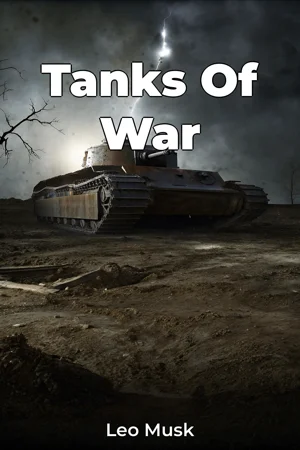
How did a lumbering, ungainly machine transform the landscape of 20th and 21st-century warfare? "Tanks Of War" explores the complete evolution of the tank, examining its profound impact on military strategy and its central role in some of history's most decisive battles. This book addresses two key themes: the technological development of tanks, tracing their evolution from primitive armored boxes to sophisticated, networked weapon systems, and the tactical adaptations armies have made to effectively employ and counter these armored behemoths. These topics are vital because the tank's story mirrors the broader narrative of modern warfare, where technological innovation and tactical ingenuity constantly reshape the battlefield. Understanding the tank's impact necessitates a grasp of early 20th-century military thought. The stalemate of trench warfare in World War I created a demand for mobile firepower and protection; a need the tank was designed to fulfill. Knowledge of basic mechanical engineering principles and military organization will enhance the reader's understanding but is not strictly required. The central argument of "Tanks Of War" is that the tank, far from being a static weapon, has been a catalyst for continuous innovation in military doctrine and technology. Its introduction forced armies to rethink battlefield tactics, leading to the development of combined arms operations and new anti-tank technologies, creating in essence a cycle of action and reaction. This argument is crucial because it highlights the dynamic relationship between technology and strategy, demonstrating how military innovation isn't just about new weapons but about how those weapons are integrated into a larger system. The book begins by detailing the initial concepts and designs that led to the first tanks, followed by an in-depth analysis of their performance in World War I. The narrative then proceeds chronologically, examining the interwar period's experimentation with tank designs and tactical doctrines. Major sections focus on World War II, exploring the tank battles of the Eastern Front, North Africa, and Western Europe, analyzing the strengths and weaknesses of different tank designs and the tactical doctrines that governed their use. Later chapters will address the Cold War era, the development of main battle tanks (MBTs), and the tank's role in modern conflicts, including the Gulf War and subsequent engagements. The book culminates with a discussion of the future of tanks, considering emerging technologies and the changing nature of warfare. Evidence presented will include detailed technical specifications of various tank models, firsthand accounts from tank crews, and analyses of battle reports and after-action reports from major conflicts. Data will be drawn from military archives, technical manuals, and open-source intelligence. Performance data, like armor thickness and gun caliber, will be presented alongside information about production numbers and unit deployments. "Tanks Of War" also intersects with several other fields. Military history is an obvious connection, but the book also touches upon engineering, economics (analyzing the cost of tank development and deployment), and political science (examining the role of tanks in shaping geopolitical power). These connections enrich the narrative and provide a more holistic understanding of the tank's significance. This book offers a balanced and objective perspective, avoiding glorification of warfare while acknowledging the tank's undeniable influence on the modern world. The tone is factual and analytical, providing a clear and accessible account for both military enthusiasts and general readers interested in technology and history. The target audience includes military history buffs, modelers, wargamers, students of military science, and anyone interested in the evolution of technology and its impact on society. The value of this book lies in its comprehensive coverage, clear explanations, and rigorous analysis. As a work of military history and technology, this book adheres to the genre conventions of factual accuracy, objectivity, and proper sourcing. It aims to provide a detailed and authoritative account, avoiding speculation or sensationalism. Scope is limited to the design, development, and tactical employment of tanks by various armies. Auxiliary armored vehicles, such as self-propelled artillery and armored personnel carriers, are mentioned only when they directly relate to the tank's operational environment. The lessons learned from tank warfare have real-world applications for military strategists, defense analysts, and policymakers, who must understand the interplay between technology and tactics to prepare for future conflicts. The book also contributes to the broader understanding of technological innovation and its societal consequences. While the tank's relevance in future warfare is debated, with some arguing that it is becoming obsolete, "Tanks of War" will address these controversies by examining the arguments for and against the tank's continued importance, offering a nuanced perspective on the evolving role of armored warfare.
How did a lumbering, ungainly machine transform the landscape of 20th and 21st-century warfare? "Tanks Of War" explores the complete evolution of the tank, examining its profound impact on military strategy and its central role in some of history's most decisive battles. This book addresses two key themes: the technological development of tanks, tracing their evolution from primitive armored boxes to sophisticated, networked weapon systems, and the tactical adaptations armies have made to effectively employ and counter these armored behemoths. These topics are vital because the tank's story mirrors the broader narrative of modern warfare, where technological innovation and tactical ingenuity constantly reshape the battlefield. Understanding the tank's impact necessitates a grasp of early 20th-century military thought. The stalemate of trench warfare in World War I created a demand for mobile firepower and protection; a need the tank was designed to fulfill. Knowledge of basic mechanical engineering principles and military organization will enhance the reader's understanding but is not strictly required. The central argument of "Tanks Of War" is that the tank, far from being a static weapon, has been a catalyst for continuous innovation in military doctrine and technology. Its introduction forced armies to rethink battlefield tactics, leading to the development of combined arms operations and new anti-tank technologies, creating in essence a cycle of action and reaction. This argument is crucial because it highlights the dynamic relationship between technology and strategy, demonstrating how military innovation isn't just about new weapons but about how those weapons are integrated into a larger system. The book begins by detailing the initial concepts and designs that led to the first tanks, followed by an in-depth analysis of their performance in World War I. The narrative then proceeds chronologically, examining the interwar period's experimentation with tank designs and tactical doctrines. Major sections focus on World War II, exploring the tank battles of the Eastern Front, North Africa, and Western Europe, analyzing the strengths and weaknesses of different tank designs and the tactical doctrines that governed their use. Later chapters will address the Cold War era, the development of main battle tanks (MBTs), and the tank's role in modern conflicts, including the Gulf War and subsequent engagements. The book culminates with a discussion of the future of tanks, considering emerging technologies and the changing nature of warfare. Evidence presented will include detailed technical specifications of various tank models, firsthand accounts from tank crews, and analyses of battle reports and after-action reports from major conflicts. Data will be drawn from military archives, technical manuals, and open-source intelligence. Performance data, like armor thickness and gun caliber, will be presented alongside information about production numbers and unit deployments. "Tanks Of War" also intersects with several other fields. Military history is an obvious connection, but the book also touches upon engineering, economics (analyzing the cost of tank development and deployment), and political science (examining the role of tanks in shaping geopolitical power). These connections enrich the narrative and provide a more holistic understanding of the tank's significance. This book offers a balanced and objective perspective, avoiding glorification of warfare while acknowledging the tank's undeniable influence on the modern world. The tone is factual and analytical, providing a clear and accessible account for both military enthusiasts and general readers interested in technology and history. The target audience includes military history buffs, modelers, wargamers, students of military science, and anyone interested in the evolution of technology and its impact on society. The value of this book lies in its comprehensive coverage, clear explanations, and rigorous analysis. As a work of military history and technology, this book adheres to the genre conventions of factual accuracy, objectivity, and proper sourcing. It aims to provide a detailed and authoritative account, avoiding speculation or sensationalism. Scope is limited to the design, development, and tactical employment of tanks by various armies. Auxiliary armored vehicles, such as self-propelled artillery and armored personnel carriers, are mentioned only when they directly relate to the tank's operational environment. The lessons learned from tank warfare have real-world applications for military strategists, defense analysts, and policymakers, who must understand the interplay between technology and tactics to prepare for future conflicts. The book also contributes to the broader understanding of technological innovation and its societal consequences. While the tank's relevance in future warfare is debated, with some arguing that it is becoming obsolete, "Tanks of War" will address these controversies by examining the arguments for and against the tank's continued importance, offering a nuanced perspective on the evolving role of armored warfare.
"Tanks Of War" explores the evolution and impact of tanks on military strategy from World War I to modern conflicts. The book examines how these armored vehicles transformed from rudimentary machines into sophisticated, networked weapon systems, fundamentally altering battlefield tactics. It highlights the continuous cycle of innovation where the introduction of tanks spurred the development of new anti-tank technologies and combined arms operations. This comprehensive study showcases how tank design and deployment have reflected broader trends in military technology and tactical doctrine. The narrative progresses chronologically, starting with the origins of tanks in response to the trench warfare of World War I. Major sections delve into World War II, analyzing tank battles on the Eastern Front and in North Africa, assessing the strengths and weaknesses of various tank designs. Later chapters cover the Cold War era, the development of main battle tanks, and their role in modern engagements, culminating in a discussion of the future of tanks and armored warfare. The book uses technical specifications, firsthand accounts, and battle reports to support its analysis, offering a balanced perspective on the tank's influence.
Book Details
ISBN
9788233966539
Publisher
Publifye AS
Your Licenses
You don't own any licenses for this book
Purchase a license below to unlock this book and download the EPUB.
Purchase License
Select a tier to unlock this book
Need bulk licensing?
Contact us for enterprise agreements.