
About This Book
Imagine a city engulfed in flames, a battle so savage that the very notion of human endurance is tested to its breaking point. This book, *Battle of Stalingrad*, delves into one of the most pivotal and brutal clashes in human history, a struggle that not only determined the course of World War II but also reshaped the geopolitical landscape of the 20th century. We explore three interconnected themes: the relentless German assault on Stalingrad, the inhumane conditions endured by soldiers and civilians alike, and the surprising resilience of the Soviet resistance that ultimately turned the tide of the war. Understanding Stalingrad is crucial because it reveals the devastating consequences of ideological extremism, the limits of military power when confronted with unwavering resolve, and the critical role of strategic miscalculations in determining the outcome of large-scale conflicts. The narrative unfolds against the backdrop of Operation Barbarossa, Nazi Germany's invasion of the Soviet Union in 1941. Readers should have a basic understanding of the key players in World War II, the ideological conflict between Nazi Germany and the Soviet Union, and the initial successes of the German military on the Eastern Front. The central argument of this book is that the Battle of Stalingrad was not simply a military engagement, but a collision of ideologies and a test of human will. The outcome hinged not only on tactical decisions and material resources but also on the intangible factors of morale, leadership, and the willingness to endure unimaginable suffering. This argument is important because it challenges conventional military histories that focus solely on strategy and logistics, highlighting the human dimension of warfare. The book is structured as follows: first, it introduces the strategic context leading up to the battle, examining Hitler's obsession with capturing Stalingrad and Stalin's determination to defend it at all costs. Second, it chronicles the ferocious fighting within the city, detailing the daily horrors faced by soldiers on both sides and the desperate plight of the civilian population trapped in the crossfire. This section will cover the impact of urban warfare including the close quarters combat within the ruins of Stalingrad. Third, it analyzes the Soviet counter-offensive, Operation Uranus, which encircled the German Sixth Army and led to its eventual surrender. Finally, it concludes by assessing the long-term consequences of Stalingrad, including its impact on the morale of the warring nations and its role as a turning point in World War II. The book draws upon a wide range of primary and secondary sources, including archival documents from both German and Soviet archives, eyewitness accounts from soldiers and civilians, and contemporary news reports. It also incorporates recent scholarship on the Eastern Front, providing a balanced and nuanced account of the battle. *Battle of Stalingrad* connects to other fields such as political science (examining the role of ideology in shaping military strategy), sociology (analyzing the impact of war on civilian populations), and psychology (exploring the limits of human endurance under extreme stress). These connections enrich the book's argument by providing a broader understanding of the social, political, and psychological aspects of the battle. This book offers a fresh perspective by focusing not only on the military aspects of the battle but also on the human stories of those who fought and died at Stalingrad. It seeks to move beyond traditional narratives of heroism and sacrifice to explore the complex motivations and experiences of individuals caught up in the maelstrom of war. The writing style is accessible and engaging, aimed at a general audience interested in military history, World War II, and the history of the Soviet Union. The book avoids jargon and technical terms, preferring to tell the story of Stalingrad in a clear and compelling manner. The target audience includes history enthusiasts, students, and anyone interested in learning more about one of the most important battles of the 20th century. This book will be valuable to them because it provides a comprehensive and insightful account of Stalingrad, based on the latest research and presented in an engaging and accessible style. It satisfies the expectations of the History genre by focusing on factual accuracy, detailed analysis, and clear presentation supported by historical data. The book's scope is limited to the Battle of Stalingrad and its immediate aftermath. It does not attempt to provide a comprehensive history of World War II or the Eastern Front. This focus allows for a more in-depth examination of the battle and its significance. The lessons of Stalingrad are relevant today because they highlight the dangers of ideological extremism, the importance of strategic planning, and the resilience of the human spirit in the face of adversity. By understanding the mistakes made at Stalingrad, we can learn valuable lessons about the conduct of war and the pursuit of peace. The Battle of Stalingrad remains a subject of ongoing debate among historians, particularly regarding the relative contributions of different Soviet commanders and the strategic rationale behind certain German decisions. This book addresses these controversies by presenting different perspectives and offering its own interpretations based on the available evidence.
Imagine a city engulfed in flames, a battle so savage that the very notion of human endurance is tested to its breaking point. This book, *Battle of Stalingrad*, delves into one of the most pivotal and brutal clashes in human history, a struggle that not only determined the course of World War II but also reshaped the geopolitical landscape of the 20th century. We explore three interconnected themes: the relentless German assault on Stalingrad, the inhumane conditions endured by soldiers and civilians alike, and the surprising resilience of the Soviet resistance that ultimately turned the tide of the war. Understanding Stalingrad is crucial because it reveals the devastating consequences of ideological extremism, the limits of military power when confronted with unwavering resolve, and the critical role of strategic miscalculations in determining the outcome of large-scale conflicts. The narrative unfolds against the backdrop of Operation Barbarossa, Nazi Germany's invasion of the Soviet Union in 1941. Readers should have a basic understanding of the key players in World War II, the ideological conflict between Nazi Germany and the Soviet Union, and the initial successes of the German military on the Eastern Front. The central argument of this book is that the Battle of Stalingrad was not simply a military engagement, but a collision of ideologies and a test of human will. The outcome hinged not only on tactical decisions and material resources but also on the intangible factors of morale, leadership, and the willingness to endure unimaginable suffering. This argument is important because it challenges conventional military histories that focus solely on strategy and logistics, highlighting the human dimension of warfare. The book is structured as follows: first, it introduces the strategic context leading up to the battle, examining Hitler's obsession with capturing Stalingrad and Stalin's determination to defend it at all costs. Second, it chronicles the ferocious fighting within the city, detailing the daily horrors faced by soldiers on both sides and the desperate plight of the civilian population trapped in the crossfire. This section will cover the impact of urban warfare including the close quarters combat within the ruins of Stalingrad. Third, it analyzes the Soviet counter-offensive, Operation Uranus, which encircled the German Sixth Army and led to its eventual surrender. Finally, it concludes by assessing the long-term consequences of Stalingrad, including its impact on the morale of the warring nations and its role as a turning point in World War II. The book draws upon a wide range of primary and secondary sources, including archival documents from both German and Soviet archives, eyewitness accounts from soldiers and civilians, and contemporary news reports. It also incorporates recent scholarship on the Eastern Front, providing a balanced and nuanced account of the battle. *Battle of Stalingrad* connects to other fields such as political science (examining the role of ideology in shaping military strategy), sociology (analyzing the impact of war on civilian populations), and psychology (exploring the limits of human endurance under extreme stress). These connections enrich the book's argument by providing a broader understanding of the social, political, and psychological aspects of the battle. This book offers a fresh perspective by focusing not only on the military aspects of the battle but also on the human stories of those who fought and died at Stalingrad. It seeks to move beyond traditional narratives of heroism and sacrifice to explore the complex motivations and experiences of individuals caught up in the maelstrom of war. The writing style is accessible and engaging, aimed at a general audience interested in military history, World War II, and the history of the Soviet Union. The book avoids jargon and technical terms, preferring to tell the story of Stalingrad in a clear and compelling manner. The target audience includes history enthusiasts, students, and anyone interested in learning more about one of the most important battles of the 20th century. This book will be valuable to them because it provides a comprehensive and insightful account of Stalingrad, based on the latest research and presented in an engaging and accessible style. It satisfies the expectations of the History genre by focusing on factual accuracy, detailed analysis, and clear presentation supported by historical data. The book's scope is limited to the Battle of Stalingrad and its immediate aftermath. It does not attempt to provide a comprehensive history of World War II or the Eastern Front. This focus allows for a more in-depth examination of the battle and its significance. The lessons of Stalingrad are relevant today because they highlight the dangers of ideological extremism, the importance of strategic planning, and the resilience of the human spirit in the face of adversity. By understanding the mistakes made at Stalingrad, we can learn valuable lessons about the conduct of war and the pursuit of peace. The Battle of Stalingrad remains a subject of ongoing debate among historians, particularly regarding the relative contributions of different Soviet commanders and the strategic rationale behind certain German decisions. This book addresses these controversies by presenting different perspectives and offering its own interpretations based on the available evidence.
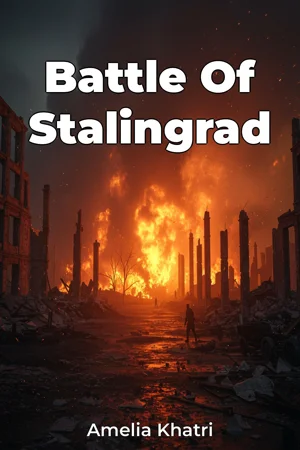
"Battle of Stalingrad" examines one of World War II's most brutal and pivotal battles on the Eastern Front. The book explores the German assault, inhumane conditions, and the surprising Soviet resistance. It emphasizes the collision of ideologies and the test of human will, rather than solely focusing on military strategy. Understanding this battle reveals the devastating consequences of ideological extremism and the limits of military power. The book challenges conventional military histories by highlighting the human dimension of warfare. The narrative begins with the strategic context, including Hitler's obsession with capturing Stalingrad and Stalin's determination to defend it. It then chronicles the ferocious urban warfare within the city, detailing the horrors faced by soldiers and civilians. Lastly, the book analyzes the Soviet counter-offensive, Operation Uranus, and concludes by assessing the battle's long-term consequences, including its impact on morale and its role as a turning point in World War II. The book draws upon archival documents and eyewitness accounts to provide a balanced and nuanced account.
Book Details
ISBN
9788233966522
Publisher
Publifye AS
Your Licenses
You don't own any licenses for this book
Purchase a license below to unlock this book and download the EPUB.
Purchase License
Select a tier to unlock this book
Need bulk licensing?
Contact us for enterprise agreements.