
About This Book
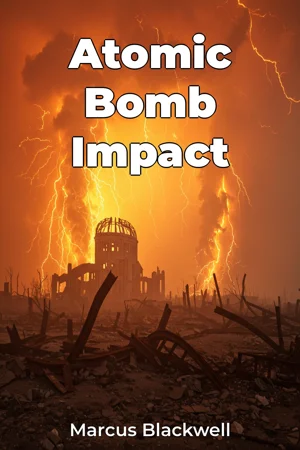
Why did the United States unleash the destructive power of the atomic bomb on Hiroshima and Nagasaki, and what were the immediate and long-lasting repercussions of this unprecedented act of war? "Atomic Bomb Impact" delves into the multifaceted history surrounding the use of atomic weapons in World War II and the dawning of the nuclear age, exploring not only the devastation wrought upon two Japanese cities but also the complex political, military, and ethical considerations that shaped this pivotal moment in human history. Understanding these events is crucial in navigating the ongoing challenges of nuclear proliferation and the pursuit of global peace. This book offers a comprehensive examination of the decision-making processes that led to the bombings, the immediate and long-term effects of these events on the populations of Hiroshima and Nagasaki, and the subsequent geopolitical ramifications that ushered in the nuclear era. It explores the historical context of World War II, including the escalating conflict in the Pacific and the rationale behind the Allied demand for unconditional surrender from Japan. We will explore the scientific breakthroughs that made the atomic bomb possible and the top-secret Manhattan Project that raced against time to develop these weapons. The core argument of "Atomic Bomb Impact" is that the bombings of Hiroshima and Nagasaki represent a turning point in human history, forcing a reckoning with the potential for self-annihilation and forever altering the landscape of international relations. The book will examine the debates surrounding the necessity and justification of the bombings, focusing on arguments related to ending the war quickly, saving Allied lives, and deterring Soviet expansionism. The book begins by setting the stage with a detailed account of the events leading up to the bombings, followed by a vivid reconstruction of the devastation witnessed in Hiroshima and Nagasaki, including the immediate casualties, the long-term health effects of radiation exposure, and the social and economic consequences for the survivors. The book will then analyze the political and military calculations that informed the decision to use the atomic bombs, scrutinizing the available evidence and the perspectives of key decision-makers. Chapters will explore the development of nuclear strategy during the Cold War, the arms race between the United States and the Soviet Union, and the ongoing efforts to prevent nuclear proliferation. The concluding chapters examine the ethical implications of nuclear weapons and the challenges of achieving lasting peace in a world shadowed by their existence. The narrative will be supported by a diverse range of primary and secondary sources, including declassified government documents, eyewitness accounts from survivors, scientific reports on the effects of radiation, and historical analyses from leading scholars. The book draws upon research from fields such as history, political science, sociology, and public health, offering a multidisciplinary perspective on the atomic bombings and their enduring legacy. "Atomic Bomb Impact" is written in a clear and accessible style, designed to engage a broad audience interested in World War II history, military strategy, the history of science, and the ethical implications of warfare. It will be particularly valuable for students, researchers, policymakers, and anyone seeking a deeper understanding of the atomic bombings and their significance in shaping the modern world. While concentrating on the events surrounding Hiroshima and Nagasaki, this book will also acknowledge the broader context of wartime atrocities and the complex moral questions raised by modern warfare. The book refrains from offering simplistic judgements, instead aiming to provide a nuanced and evidence-based account that encourages critical thinking and informed discussion. Ultimately, this book seeks to shed light on the past to inform the present and future, providing readers with the knowledge and insights needed to grapple with the ongoing challenges of nuclear weapons and the pursuit of a more peaceful and just world. Ongoing debates about nuclear disarmament and non-proliferation are implicitly addressed by thoroughly examining the historical precedent. The book aims to provide context that informs reader contemplation of such debates.
Why did the United States unleash the destructive power of the atomic bomb on Hiroshima and Nagasaki, and what were the immediate and long-lasting repercussions of this unprecedented act of war? "Atomic Bomb Impact" delves into the multifaceted history surrounding the use of atomic weapons in World War II and the dawning of the nuclear age, exploring not only the devastation wrought upon two Japanese cities but also the complex political, military, and ethical considerations that shaped this pivotal moment in human history. Understanding these events is crucial in navigating the ongoing challenges of nuclear proliferation and the pursuit of global peace. This book offers a comprehensive examination of the decision-making processes that led to the bombings, the immediate and long-term effects of these events on the populations of Hiroshima and Nagasaki, and the subsequent geopolitical ramifications that ushered in the nuclear era. It explores the historical context of World War II, including the escalating conflict in the Pacific and the rationale behind the Allied demand for unconditional surrender from Japan. We will explore the scientific breakthroughs that made the atomic bomb possible and the top-secret Manhattan Project that raced against time to develop these weapons. The core argument of "Atomic Bomb Impact" is that the bombings of Hiroshima and Nagasaki represent a turning point in human history, forcing a reckoning with the potential for self-annihilation and forever altering the landscape of international relations. The book will examine the debates surrounding the necessity and justification of the bombings, focusing on arguments related to ending the war quickly, saving Allied lives, and deterring Soviet expansionism. The book begins by setting the stage with a detailed account of the events leading up to the bombings, followed by a vivid reconstruction of the devastation witnessed in Hiroshima and Nagasaki, including the immediate casualties, the long-term health effects of radiation exposure, and the social and economic consequences for the survivors. The book will then analyze the political and military calculations that informed the decision to use the atomic bombs, scrutinizing the available evidence and the perspectives of key decision-makers. Chapters will explore the development of nuclear strategy during the Cold War, the arms race between the United States and the Soviet Union, and the ongoing efforts to prevent nuclear proliferation. The concluding chapters examine the ethical implications of nuclear weapons and the challenges of achieving lasting peace in a world shadowed by their existence. The narrative will be supported by a diverse range of primary and secondary sources, including declassified government documents, eyewitness accounts from survivors, scientific reports on the effects of radiation, and historical analyses from leading scholars. The book draws upon research from fields such as history, political science, sociology, and public health, offering a multidisciplinary perspective on the atomic bombings and their enduring legacy. "Atomic Bomb Impact" is written in a clear and accessible style, designed to engage a broad audience interested in World War II history, military strategy, the history of science, and the ethical implications of warfare. It will be particularly valuable for students, researchers, policymakers, and anyone seeking a deeper understanding of the atomic bombings and their significance in shaping the modern world. While concentrating on the events surrounding Hiroshima and Nagasaki, this book will also acknowledge the broader context of wartime atrocities and the complex moral questions raised by modern warfare. The book refrains from offering simplistic judgements, instead aiming to provide a nuanced and evidence-based account that encourages critical thinking and informed discussion. Ultimately, this book seeks to shed light on the past to inform the present and future, providing readers with the knowledge and insights needed to grapple with the ongoing challenges of nuclear weapons and the pursuit of a more peaceful and just world. Ongoing debates about nuclear disarmament and non-proliferation are implicitly addressed by thoroughly examining the historical precedent. The book aims to provide context that informs reader contemplation of such debates.
"Atomic Bomb Impact" examines the use of atomic weapons on Hiroshima and Nagasaki during World War II, exploring the devastating consequences and complex factors behind this pivotal moment in military history. The book addresses the historical context, including the escalating Pacific conflict and the Allied demand for unconditional surrender, while scrutinizing the decision-making processes and the Manhattan Project that produced these weapons. Readers gain insights into the immediate and long-term effects on the affected populations, including the tragic radiation effects, and the broader geopolitical ramifications that ushered in the nuclear age and the Cold War. The book delves into the ethical warfare debates surrounding the bombings, weighing arguments for ending the war quickly and saving Allied lives against the immense human cost. It analyzes the development of nuclear strategy, the arms race, and ongoing efforts to prevent nuclear proliferation. By drawing upon diverse primary and secondary sources, "Atomic Bomb Impact" offers a nuanced, evidence-based account, encouraging critical thinking about wartime atrocities and the challenges of achieving lasting peace in a world shadowed by nuclear weapons. The book progresses by first detailing the events leading up to the bombings, then reconstructing the devastation, analyzing political and military calculations, and finally, examining the ethical implications.
Book Details
ISBN
9788233966508
Publisher
Publifye AS
Your Licenses
You don't own any licenses for this book
Purchase a license below to unlock this book and download the EPUB.
Purchase License
Select a tier to unlock this book
Need bulk licensing?
Contact us for enterprise agreements.