
About This Book
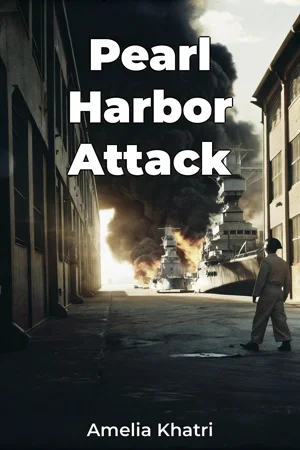
Did you know that a peaceful Sunday morning in Hawaii abruptly transformed into a day of immense destruction and lasting historical significance? This book, "Pearl Harbor Attack," delves into the meticulously planned and ruthlessly executed surprise attack on Pearl Harbor, its immediate and far-reaching consequences, and the pivotal role it played in propelling the United States into World War II. We explore not only the events of that fateful day but also the complex web of political, strategic, and intelligence failures that allowed the attack to occur. Understanding the attack on Pearl Harbor requires examining several key areas. First, the strategic context of the Pacific theater in the years leading up to the attack is crucial. Japan's expansionist ambitions and the United States' growing economic and political influence in the region created a volatile situation. Second, the specific planning and execution of the attack by the Japanese Imperial Navy, including the intelligence gathering, training, and deployment of forces, are thoroughly analyzed. Finally, the immediate aftermath of the attack, encompassing the devastation at Pearl Harbor, the American response, and the subsequent declaration of war, are explored in detail. This book argues that the attack on Pearl Harbor was a turning point in American history, forever altering the nation's role in global affairs. It demonstrates how the attack, though a military victory for Japan in the short term, ultimately galvanized American resolve and contributed to the Allied victory in World War II. "Pearl Harbor Attack" is structured to provide a comprehensive understanding of this pivotal event. The book begins by setting the stage with an overview of the geopolitical landscape of the 1930s and early 1940s, detailing the rising tensions between the United States and Japan. It then meticulously reconstructs the events of December 7, 1941, from both the American and Japanese perspectives, using primary source accounts and military records. The book analyzes intelligence failures and assesses the culpability of key individuals. Finally, it examines the long-term impact of the attack on American society, foreign policy, and military strategy. The book relies on a wide range of evidence, including declassified military documents, personal diaries and letters of servicemen and civilians, photographs and film footage from the period, and scholarly analyses of the attack. It also incorporates Japanese sources to provide a balanced and nuanced perspective on the events leading up to and during the attack. The events at Pearl Harbor connect to broader themes in history, political science, and military strategy. The book explores the role of intelligence in preventing surprise attacks, the impact of public opinion on foreign policy decisions, and the ethical considerations of warfare. It also touches upon themes of national identity, sacrifice, and remembrance. This book offers a fresh perspective by examining the attack not only as a military event but also as a cultural and political phenomenon. It explores how the attack has been remembered and interpreted in American society, and how it continues to shape our understanding of war and national security. Its tone is factual and analytical, striving for objectivity while acknowledging the human cost of the attack. The intended audience includes students of history, military enthusiasts, and anyone interested in learning more about this pivotal event in American history. The book will be valuable to readers seeking a comprehensive and balanced account of the attack on Pearl Harbor and its lasting impact. As a work of military history, this book adheres to the principles of accuracy, objectivity, and thoroughness. It seeks to provide a detailed and reliable account of the events surrounding the attack, while also acknowledging the complexities and controversies surrounding its interpretation. The book's scope is limited to the attack itself and its immediate consequences, focusing primarily on the military, political, and social dimensions of the event. It does not delve into broader aspects of World War II, except as they directly relate to the attack on Pearl Harbor. The insights from the book can inform contemporary debates about national security, intelligence gathering, and the use of military force. By understanding the lessons of Pearl Harbor, we can better prepare for and prevent future surprise attacks. The historical interpretation of Pearl Harbor remains a subject of ongoing debate. Some argue that the Roosevelt administration deliberately provoked Japan into attacking, while others maintain that the attack was a result of Japanese miscalculations and American intelligence failures. This book examines these different perspectives critically, presenting the available evidence and allowing readers to draw their own conclusions.
Did you know that a peaceful Sunday morning in Hawaii abruptly transformed into a day of immense destruction and lasting historical significance? This book, "Pearl Harbor Attack," delves into the meticulously planned and ruthlessly executed surprise attack on Pearl Harbor, its immediate and far-reaching consequences, and the pivotal role it played in propelling the United States into World War II. We explore not only the events of that fateful day but also the complex web of political, strategic, and intelligence failures that allowed the attack to occur. Understanding the attack on Pearl Harbor requires examining several key areas. First, the strategic context of the Pacific theater in the years leading up to the attack is crucial. Japan's expansionist ambitions and the United States' growing economic and political influence in the region created a volatile situation. Second, the specific planning and execution of the attack by the Japanese Imperial Navy, including the intelligence gathering, training, and deployment of forces, are thoroughly analyzed. Finally, the immediate aftermath of the attack, encompassing the devastation at Pearl Harbor, the American response, and the subsequent declaration of war, are explored in detail. This book argues that the attack on Pearl Harbor was a turning point in American history, forever altering the nation's role in global affairs. It demonstrates how the attack, though a military victory for Japan in the short term, ultimately galvanized American resolve and contributed to the Allied victory in World War II. "Pearl Harbor Attack" is structured to provide a comprehensive understanding of this pivotal event. The book begins by setting the stage with an overview of the geopolitical landscape of the 1930s and early 1940s, detailing the rising tensions between the United States and Japan. It then meticulously reconstructs the events of December 7, 1941, from both the American and Japanese perspectives, using primary source accounts and military records. The book analyzes intelligence failures and assesses the culpability of key individuals. Finally, it examines the long-term impact of the attack on American society, foreign policy, and military strategy. The book relies on a wide range of evidence, including declassified military documents, personal diaries and letters of servicemen and civilians, photographs and film footage from the period, and scholarly analyses of the attack. It also incorporates Japanese sources to provide a balanced and nuanced perspective on the events leading up to and during the attack. The events at Pearl Harbor connect to broader themes in history, political science, and military strategy. The book explores the role of intelligence in preventing surprise attacks, the impact of public opinion on foreign policy decisions, and the ethical considerations of warfare. It also touches upon themes of national identity, sacrifice, and remembrance. This book offers a fresh perspective by examining the attack not only as a military event but also as a cultural and political phenomenon. It explores how the attack has been remembered and interpreted in American society, and how it continues to shape our understanding of war and national security. Its tone is factual and analytical, striving for objectivity while acknowledging the human cost of the attack. The intended audience includes students of history, military enthusiasts, and anyone interested in learning more about this pivotal event in American history. The book will be valuable to readers seeking a comprehensive and balanced account of the attack on Pearl Harbor and its lasting impact. As a work of military history, this book adheres to the principles of accuracy, objectivity, and thoroughness. It seeks to provide a detailed and reliable account of the events surrounding the attack, while also acknowledging the complexities and controversies surrounding its interpretation. The book's scope is limited to the attack itself and its immediate consequences, focusing primarily on the military, political, and social dimensions of the event. It does not delve into broader aspects of World War II, except as they directly relate to the attack on Pearl Harbor. The insights from the book can inform contemporary debates about national security, intelligence gathering, and the use of military force. By understanding the lessons of Pearl Harbor, we can better prepare for and prevent future surprise attacks. The historical interpretation of Pearl Harbor remains a subject of ongoing debate. Some argue that the Roosevelt administration deliberately provoked Japan into attacking, while others maintain that the attack was a result of Japanese miscalculations and American intelligence failures. This book examines these different perspectives critically, presenting the available evidence and allowing readers to draw their own conclusions.
"Pearl Harbor Attack" meticulously examines the surprise attack on Pearl Harbor, a pivotal moment that thrust the United States into World War II. The book delves into the strategic context of the Pacific Theater, highlighting Japan's expansionist ambitions and the growing tensions with the United States. It reveals how intelligence failures and political miscalculations on both sides contributed to the devastating events of December 7, 1941. By exploring the planning and execution of the attack by the Japanese Imperial Navy, the book provides a comprehensive understanding of this critical event in military history. The book offers a balanced perspective by incorporating both American and Japanese sources, including declassified military documents and personal accounts. It analyzes the immediate aftermath of the Pearl Harbor attack, including the extensive damage inflicted and the galvanizing effect it had on American public opinion. One intriguing aspect is the detailed reconstruction of the day's events from multiple viewpoints. The book progresses chronologically, starting with the geopolitical landscape of the 1930s and culminating in an analysis of the attack's long-term impact on American society and national security.
Book Details
ISBN
9788233966478
Publisher
Publifye AS
Your Licenses
You don't own any licenses for this book
Purchase a license below to unlock this book and download the EPUB.
Purchase License
Select a tier to unlock this book
Need bulk licensing?
Contact us for enterprise agreements.