
About This Book
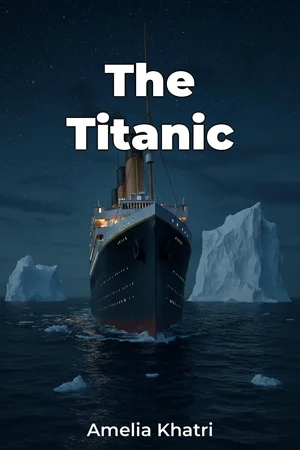
Imagine a ship so grand, so opulent, that it was declared unsinkable. This is the story of the Titanic, a vessel whose name became synonymous with tragedy, technological hubris, and enduring mystery. This book, "The Titanic," delves into the complete narrative of this iconic ocean liner, from its ambitious conception to its disastrous end and the lingering questions that continue to fascinate us. We will explore three major aspects of the Titanic’s story: its design and construction, the social context of its maiden voyage, and the catastrophic sinking and its aftermath. Understanding the technological innovations and social dynamics of the early 20th century is crucial to appreciate the scale of the Titanic project and the depth of the human tragedy that unfolded. The book argues that the Titanic's sinking was not simply an accident but a confluence of factors, including design flaws, insufficient safety regulations, and a societal confidence in technology that bordered on arrogance. This argument is vital because it underscores the importance of rigorous safety standards and the fallibility of even the most advanced human creations. The book unfolds in a structured manner, beginning with an examination of the White Star Line and the competitive environment of transatlantic travel. We will then dissect the Titanic’s design, construction, and lavish amenities, alongside the social hierarchy of its passengers, from the opulent first-class suites to the cramped quarters of the third-class travelers. The narrative then builds towards the fateful maiden voyage, detailing the events leading up to the collision with the iceberg, the chaotic evacuation process, and the desperate struggle for survival in the icy waters of the North Atlantic. Finally, the book explores the aftermath of the sinking, including the inquiries, the identification of victims, and the ongoing efforts to explore and preserve the wreck site. To support these arguments, the book draws upon a wide range of sources, including original blueprints and schematics of the ship, survivor testimonies, transcripts of the British and American inquiries, and historical accounts from newspapers and periodicals. Furthermore, it incorporates findings from modern expeditions to the Titanic wreck site, using underwater photography and sonar imagery to reveal the ship's current state and the stories it still holds. "The Titanic" connects to several disciplines, including engineering, sociology, and maritime history. The engineering aspects reveal the technological constraints and innovations of the era, while the sociological analysis explores the class divisions and social norms that shaped the experience of passengers and crew. Maritime history provides context for understanding the broader history of transatlantic travel and the evolving safety regulations for ocean liners. This book provides a comprehensive, fact-based account, moving beyond sensationalism to deliver a grounded historical presentation for readers interested in maritime history, engineering, and social history. It avoids speculative or sensational claims, focusing instead on providing a balanced and evidence-based narrative. The book targets general readers with an interest in history, as well as maritime enthusiasts and students. It avoids overly technical jargon to remain accessible, but also provides sufficient detail to satisfy scholarly curiosity. The scope of the book is intentionally limited to the Titanic itself, its immediate historical context, and the direct consequences of its sinking. While it touches upon broader themes of technological advancement and social inequality, its primary focus remains the ship and the people connected to it. The information contained within this book has real-world applications, particularly in the fields of engineering and safety management. By analyzing the factors that contributed to the Titanic disaster, modern engineers and safety professionals can learn valuable lessons about risk assessment, disaster planning, and the importance of prioritizing safety over cost and efficiency. This book addresses the enduring debates surrounding the Titanic, such as the role of human error, the adequacy of lifeboats, and the potential for design flaws. It aims to present a balanced and nuanced perspective on these controversies, drawing upon the available evidence to reach informed conclusions.
Imagine a ship so grand, so opulent, that it was declared unsinkable. This is the story of the Titanic, a vessel whose name became synonymous with tragedy, technological hubris, and enduring mystery. This book, "The Titanic," delves into the complete narrative of this iconic ocean liner, from its ambitious conception to its disastrous end and the lingering questions that continue to fascinate us. We will explore three major aspects of the Titanic’s story: its design and construction, the social context of its maiden voyage, and the catastrophic sinking and its aftermath. Understanding the technological innovations and social dynamics of the early 20th century is crucial to appreciate the scale of the Titanic project and the depth of the human tragedy that unfolded. The book argues that the Titanic's sinking was not simply an accident but a confluence of factors, including design flaws, insufficient safety regulations, and a societal confidence in technology that bordered on arrogance. This argument is vital because it underscores the importance of rigorous safety standards and the fallibility of even the most advanced human creations. The book unfolds in a structured manner, beginning with an examination of the White Star Line and the competitive environment of transatlantic travel. We will then dissect the Titanic’s design, construction, and lavish amenities, alongside the social hierarchy of its passengers, from the opulent first-class suites to the cramped quarters of the third-class travelers. The narrative then builds towards the fateful maiden voyage, detailing the events leading up to the collision with the iceberg, the chaotic evacuation process, and the desperate struggle for survival in the icy waters of the North Atlantic. Finally, the book explores the aftermath of the sinking, including the inquiries, the identification of victims, and the ongoing efforts to explore and preserve the wreck site. To support these arguments, the book draws upon a wide range of sources, including original blueprints and schematics of the ship, survivor testimonies, transcripts of the British and American inquiries, and historical accounts from newspapers and periodicals. Furthermore, it incorporates findings from modern expeditions to the Titanic wreck site, using underwater photography and sonar imagery to reveal the ship's current state and the stories it still holds. "The Titanic" connects to several disciplines, including engineering, sociology, and maritime history. The engineering aspects reveal the technological constraints and innovations of the era, while the sociological analysis explores the class divisions and social norms that shaped the experience of passengers and crew. Maritime history provides context for understanding the broader history of transatlantic travel and the evolving safety regulations for ocean liners. This book provides a comprehensive, fact-based account, moving beyond sensationalism to deliver a grounded historical presentation for readers interested in maritime history, engineering, and social history. It avoids speculative or sensational claims, focusing instead on providing a balanced and evidence-based narrative. The book targets general readers with an interest in history, as well as maritime enthusiasts and students. It avoids overly technical jargon to remain accessible, but also provides sufficient detail to satisfy scholarly curiosity. The scope of the book is intentionally limited to the Titanic itself, its immediate historical context, and the direct consequences of its sinking. While it touches upon broader themes of technological advancement and social inequality, its primary focus remains the ship and the people connected to it. The information contained within this book has real-world applications, particularly in the fields of engineering and safety management. By analyzing the factors that contributed to the Titanic disaster, modern engineers and safety professionals can learn valuable lessons about risk assessment, disaster planning, and the importance of prioritizing safety over cost and efficiency. This book addresses the enduring debates surrounding the Titanic, such as the role of human error, the adequacy of lifeboats, and the potential for design flaws. It aims to present a balanced and nuanced perspective on these controversies, drawing upon the available evidence to reach informed conclusions.
"The Titanic" explores the complete story of the infamous ocean liner, from its ambitious beginnings to its tragic sinking in the North Atlantic. It examines the vessel's design and construction, the social context of its maiden voyage, and the catastrophic events that led to its demise, arguing that the disaster was a result of multiple factors, including design flaws and insufficient safety regulations. The book emphasizes the importance of rigorous safety standards and the inherent fallibility of even the most advanced technology. This exploration of maritime history reveals intriguing facts, such as the societal confidence in technology bordering on arrogance, and the stark social hierarchy evident in the disparities between first and third-class accommodations. The book unfolds chronologically, starting with the White Star Line and the competitive transatlantic travel market, progressing through the ship's construction and the fateful voyage, and concluding with the aftermath, inquiries, and ongoing explorations of the wreck site. Drawing on original blueprints, survivor testimonies, and modern wreck site expeditions, this book provides a balanced and evidence-based narrative for general readers interested in history, maritime enthusiasts, and students. It avoids sensationalism, focusing instead on a grounded historical presentation that connects engineering, sociology, and maritime history to provide a comprehensive understanding of the Titanic's enduring legacy.
Book Details
ISBN
9788233966430
Publisher
Publifye AS
Your Licenses
You don't own any licenses for this book
Purchase a license below to unlock this book and download the EPUB.
Purchase License
Select a tier to unlock this book
Need bulk licensing?
Contact us for enterprise agreements.